Alejandro Romualdo: Poetry, Freedom, and Commitment
Alejandro Romualdo united rhythmic precision and public commitment in Peruvian poetry that moves from intimate vision to collective memory.
- Alejandro Romualdo
- Peruvian poetry
- Túpac Amaru
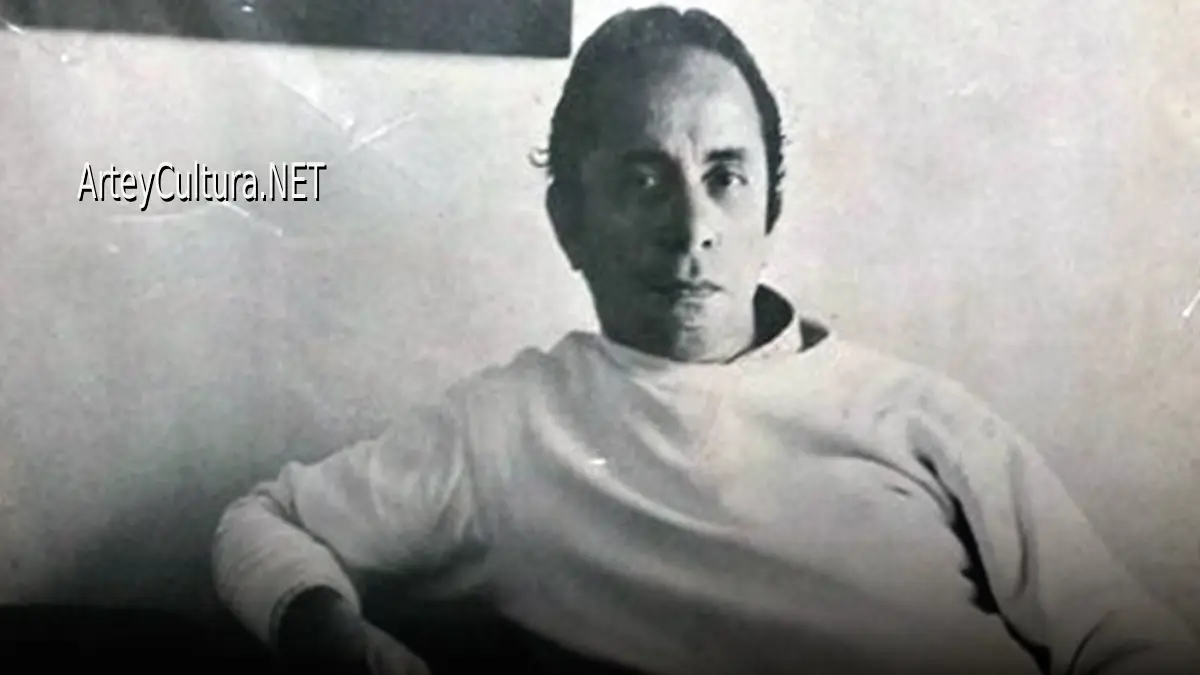
Alejandro Romualdo Valle Palomino was born in Trujillo on December 19, 1926, and died in Lima on May 27, 2008. Poet, draftsman, journalist, and teacher, he belonged to Peru’s Generation of 1950 and gave social commitment a language of remarkable rhythmic force.
Formation and early recognition
Romualdo studied literature at the National University of San Marcos. While still young, he won Peru’s 1949 National Poetry Prize with La torre de los alucinados, a collection marked by intense imagery and existential concern. Later study in Spain widened his literary frame.
From intimate vision to social poetry
Political attention did not eliminate formal craft. Repetition, pause, enumeration, and shifting intensity make the poem function silently on the page or aloud before a crowd. The individual voice becomes a chorus through which history demands present responsibility.
Video: The choral poem to Túpac Amaru
This Spanish recitation demonstrates what translation cannot fully preserve: repeated sounds make the executed rebel a collective symbol whose freedom cannot be finally destroyed.
Books and changing forms
His works include Cámara lenta, El cuerpo que tú iluminas, Edición extraordinaria, Poesía concreta, El movimiento y el sueño, Cuarto mundo, and Mapa del paraíso. Together they reveal a career broader than the single famous poem.
Video: Life and poetry
This Spanish interview introduces the person behind the public voice and places writing within reading, teaching, journalism, and cultural participation.
Túpac Amaru as living memory
José Gabriel Condorcanqui led a major 1780 uprising against colonial rule and was executed in 1781. Romualdo does not simply narrate those facts; he makes memory cross time and asks a community to pronounce it as ethical action.
The legacy of Alejandro Romualdo
Romualdo joined poetic rigor with commitment without reducing verse to slogan. His legacy includes sustained inquiry into body, history, dream, and the transformative power of speech. “Canto coral a Túpac Amaru, que es la libertad” remains its most resonant public expression.