José Carlos Mariátegui: A Peruvian Thinker of Creative Independence
José Carlos Mariátegui connected land, Indigenous history, labor, education, literature, and art in an original interpretation of Peru.
- José Carlos Mariátegui
- Peruvian thought
- Amauta
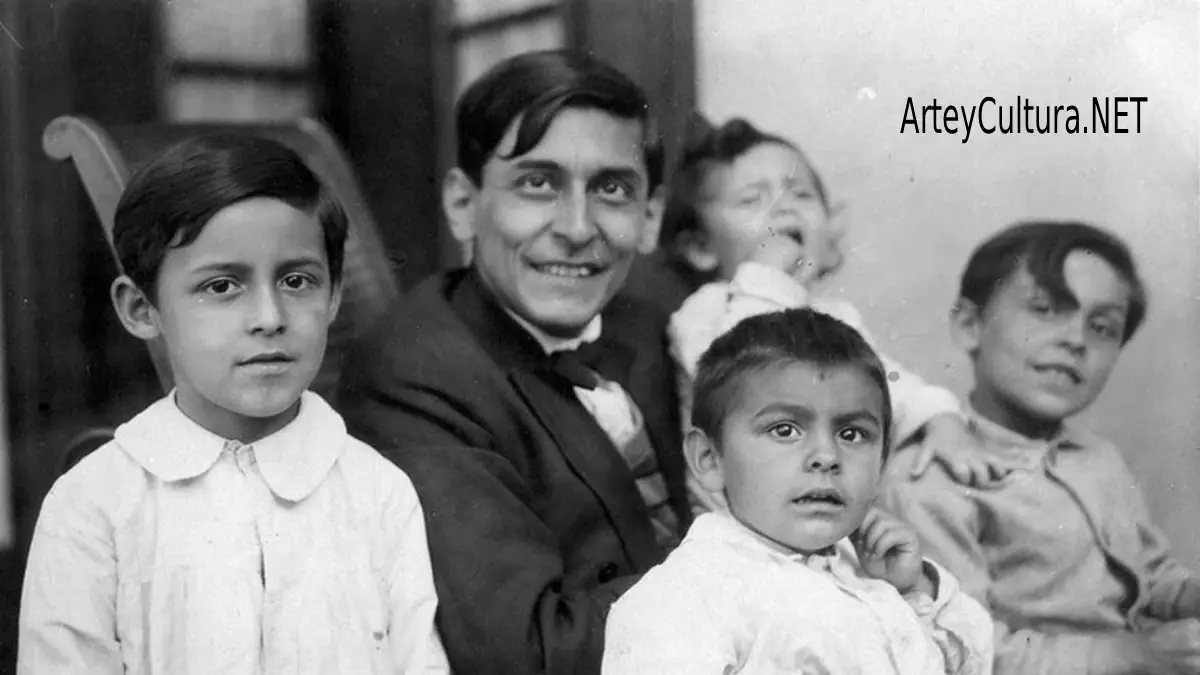
José Carlos Mariátegui La Chira was born in Moquegua on June 14, 1894, and died in Lima on April 16, 1930. Journalist, editor, essayist, and political thinker, he interpreted Peru through its concrete history and treated art, education, and culture as central to social transformation.
An autodidact in the newsroom
A childhood injury disrupted his formal schooling and affected his health throughout life. He entered newspaper work very young, learning through proofreading, reading, and daily observation. Early pieces appeared under the name Juan Croniqueur before his attention turned decisively toward labor and public life.
Europe without imitation
From 1919 to 1923, Mariátegui lived mainly in Italy, witnessing the aftermath of war, labor organization, avant-garde debate, and the rise of fascism. He returned with an international perspective but rejected mechanical application of European formulas to Peruvian realities.
Video: Life and historical setting
This Spanish documentary from TVPerú situates his short, extraordinarily productive life within the upheavals of the early twentieth century.
The Seven Interpretive Essays
Published in 1928, the book examines economy, the Indigenous question, land, education, religion, regionalism, and literature. It argues that Indigenous exclusion cannot be solved by goodwill alone because it is tied to material structures and the history of land ownership.
Video: Reading the seven essays
This Spanish analysis maps the central theses and offers an entry into a book that should ultimately be encountered directly and historically.
Amauta and cultural networks
Founded in 1926, Amauta placed politics beside literature, visual art, education, and international thought. Mariátegui also promoted the Minerva press and the newspaper Labor, building channels through which writers, artists, and readers could form a community.
The legacy of the Amauta
Mariátegui produced an original interpretation of Peru and became a continental reference. His most durable lesson is methodological: study a specific reality, connect culture to social organization, and think with creative independence rather than repeating inherited conclusions.