


James Patterson: Storytelling at an Industrial Scale
James Patterson reshaped popular publishing through rapid narratives, recurring series, collaboration, and sustained support for reading.
- James Patterson
- American literature
- popular fiction
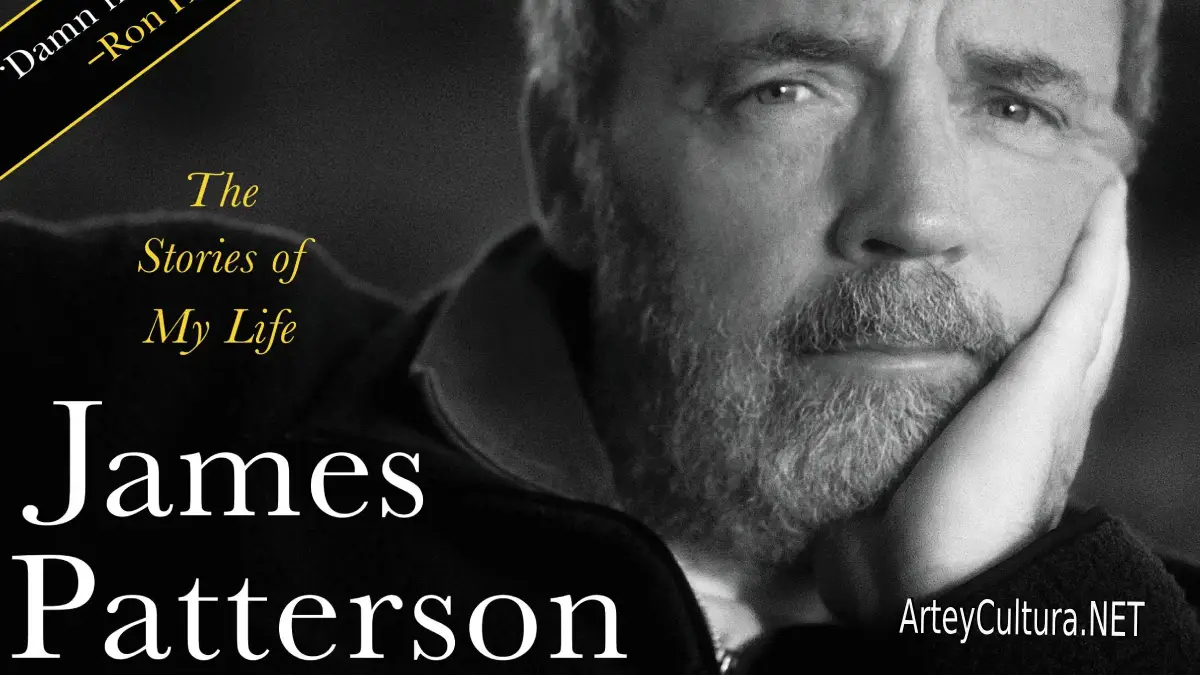
James Patterson was born in Newburgh, New York, on March 22, 1947. One of the most commercially successful writers of his era, he has built crime, thriller, romance, and young-reader series around short chapters, swift reversals, and an unusually large system of collaboration.
From advertising to fiction
Before writing full time, Patterson worked in advertising, eventually becoming a senior creative executive. His first novel, The Thomas Berryman Number, won the Edgar Award for best first novel. The experience of concise communication and audience attention later became visible in his narrative pacing.
Alex Cross and recurring worlds
Detective and psychologist Alex Cross became Patterson’s defining character, notably through Along Came a Spider and later installments. Series such as the Women’s Murder Club extended his use of recurring protagonists whose professional cases develop alongside family and personal relationships.
A collaborative production model
Patterson often develops detailed outlines and works with credited coauthors who draft and revise within an agreed structure. The method has increased output across genres and prompted debate about authorship. Its significance lies in making visible a fact publishing often obscures: books can emerge from organized creative teams as well as solitary practice.
Style and readership
Brief chapters, direct prose, cliffhangers, and alternating viewpoints make his books accessible and fast-moving. Critics may question repetition or depth, but the popularity of this design demonstrates close attention to reading habits and suspense mechanics.
The legacy of James Patterson
Beyond sales, Patterson has funded classroom libraries, scholarships, independent bookstores, and literacy programs. His career matters both as storytelling and as a transformation of the publishing business, raising useful questions about collaboration, branding, access, and the cultural value of popular reading.
Video: Ten direct questions
In this English TIME interview, Patterson discusses writing, routine, and readership in a compact format that mirrors his preference for direct communication.
Video: A longer life story
This English conversation with Graham Bensinger provides a fuller account of childhood, career decisions, success, and the personal experiences behind the public author.