Chabuca Granda: A New Poetic Voice for Peruvian Music
Chabuca Granda renewed Peruvian song through poetic language, harmonic freedom, and a deep dialogue with Afro-Peruvian musicians.
- Chabuca Granda
- Peruvian music
- criollo song
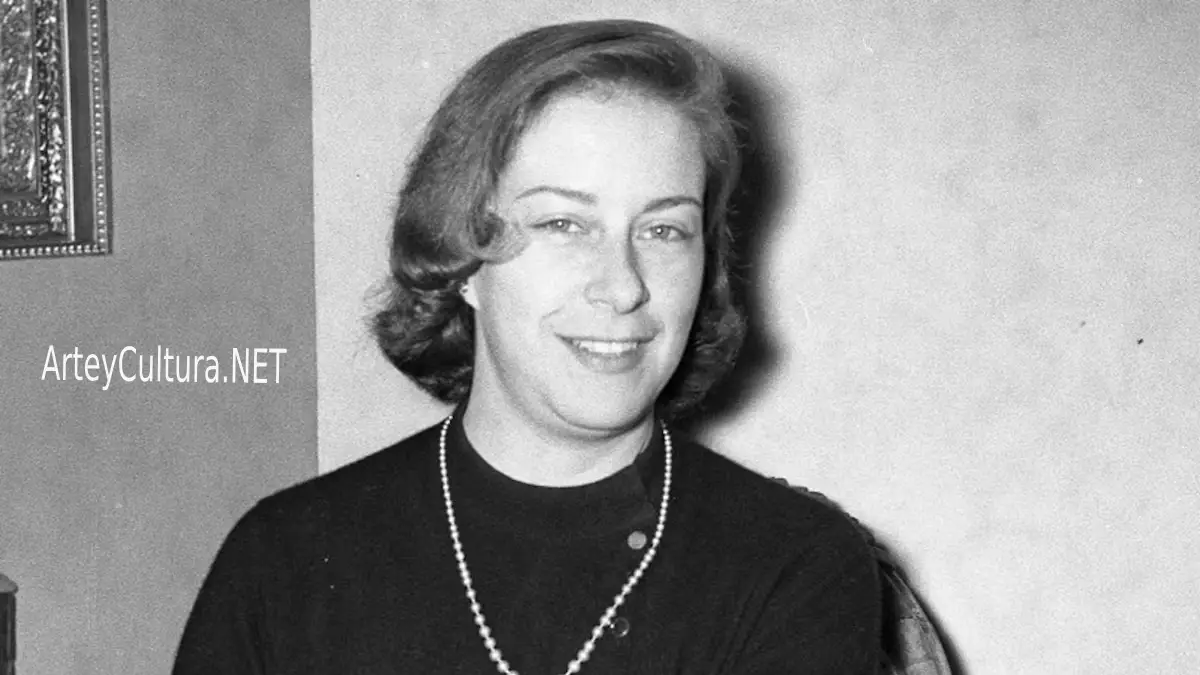
María Isabel Granda y Larco, known as Chabuca Granda, was born in Cotabambas, Apurímac, on September 3, 1920, and died in Miami on March 8, 1983. She transformed Peruvian popular song by joining refined poetry, flexible melody, and an increasingly deep engagement with Afro-Peruvian rhythm.
A songwriter attentive to Lima
Granda grew up in Lima and first wrote within the criollo waltz tradition. Her songs preserved streets, bridges, gestures, and remembered characters without merely copying the past. She treated the city as lived experience: affectionate, changing, unequal, and full of oral memory.
“The Cinnamon Flower”
“La flor de la canela,” inspired by Victoria Angulo, became her best-known composition and an international emblem of Peru. “José Antonio,” “Fina estampa,” and “Puente de los suspiros” likewise demonstrate her gift for turning a person or place into rhythm, image, and narrative.
A changing musical language
Her later work loosened the regular accents of the traditional waltz and gave greater weight to silence, speech-like phrasing, and harmonic surprise. A change in her singing voice after surgery also encouraged a more intimate delivery, where interpretation mattered more than vocal display.
Afro-Peruvian collaboration
Dialogue with musicians including Caitro Soto, Eusebio “Pititi” Sirio, and Álvaro Lagos expanded her rhythmic world. This period should be understood as collaboration with living Black Peruvian traditions, not as the solitary discovery of a style. Songs such as “Cardo o ceniza” reveal this broader, more daring language.
The legacy of Chabuca Granda
Her compositions circulate in many countries and invite continual reinterpretation. Chabuca’s enduring achievement is to have made the Peruvian songbook more poetically ambitious and rhythmically open while keeping individual people, voices, and places at its center.
Video: Her life and work
This Spanish episode of Sucedió en el Perú combines testimony, history, and music to situate Chabuca within twentieth-century Peruvian culture.
Video: Chabuca in her own words
In this extended Spanish interview with Joaquín Soler Serrano, the composer discusses memory, language, and music with the precision of a storyteller.