Ignacio Zuloaga: Portraiture and the Debate over Spain
Ignacio Zuloaga joined Old Master technique, austere landscapes, and penetrating portraiture in a contested image of modern Spain.
- Ignacio Zuloaga
- Spanish painting
- portraiture
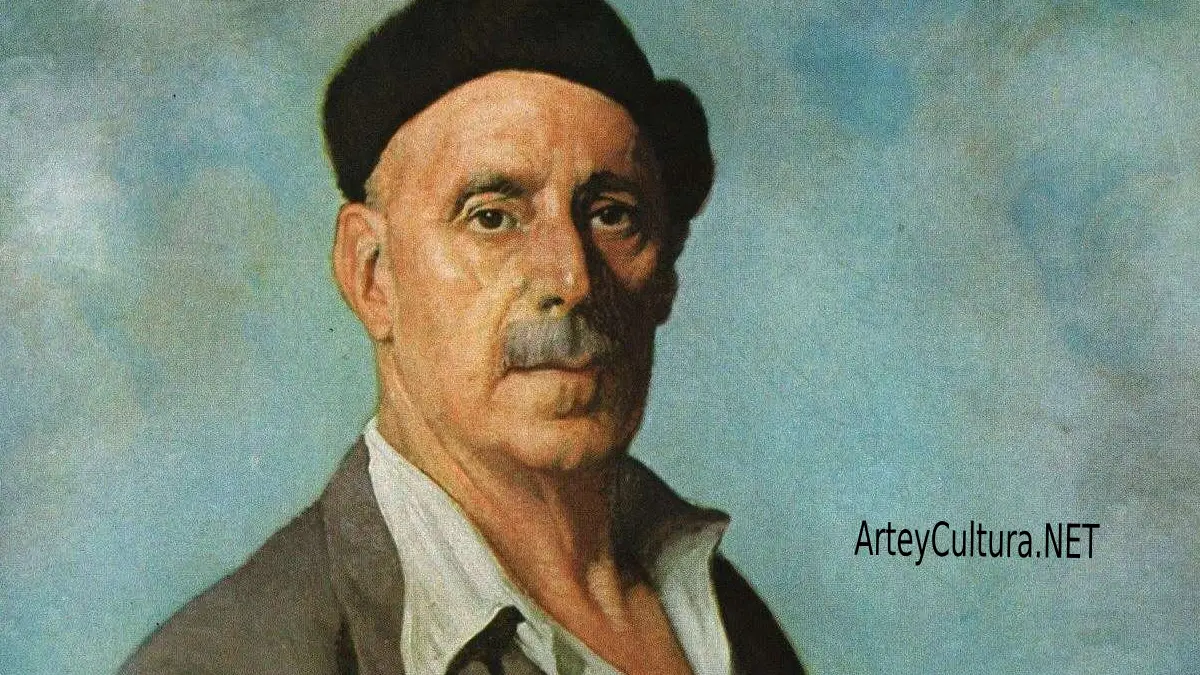
Ignacio Zuloaga was born in Eibar, Spain, on July 26, 1870, and died in Madrid on October 31, 1945. Celebrated internationally for portraits and severe Castilian scenes, he also became a central figure in arguments about tradition, modernity, and the image Spain projected abroad.
An artisan inheritance
Zuloaga grew up in a family of metalworkers and artists. That environment encouraged respect for material craft. Study of Velázquez, El Greco, Goya, and other masters at the Prado gave him a historical vocabulary, while time in Paris exposed him to modern artistic networks and new exhibition systems.
Paris and international recognition
In France he associated with artists including Émile Bernard and exhibited beyond Spain. Rather than imitate Impressionism, he developed a darker palette, firm silhouettes, and monumental figures. International exhibitions made his work highly visible in Europe and the Americas.
Castile and portraiture
Zuloaga painted dry landscapes, bullfighters, villagers, religious figures, and cultural personalities such as Miguel de Unamuno and Ramón del Valle-Inclán. His sitters often appear psychologically alert against compressed settings. The landscape does more than locate them: it helps construct their public identity.
The “Black Spain” controversy
Critics disagreed over whether his somber subjects revealed a profound national character or reduced Spain to backwardness and spectacle. The debate is essential because it shows how paintings participate in political and cultural narratives, even when they present themselves as observation.
Politics and the legacy of Zuloaga
His public position during and after the Spanish Civil War, including association with the Franco regime, complicates his reputation. Historical judgment must neither erase that context nor make the paintings unintelligible. His legacy lies in formidable technique, incisive portraiture, and the unresolved tensions embedded in his vision of Spain.
Video: An overview of the painter
This Spanish presentation surveys Zuloaga’s life and principal works, allowing close attention to palette, pose, costume, and landscape.
Video: Zuloaga in cultural context
The second Spanish documentary expands the historical frame and helps explain why his images became evidence in a larger debate about national identity.