Martín Adán: The Difficult Beauty of Peruvian Poetry
Martín Adán renewed Peruvian literature through verbal precision, formal experiment, and a lifelong inquiry into poetry itself.
- Martín Adán
- Peruvian poetry
- Latin American literature
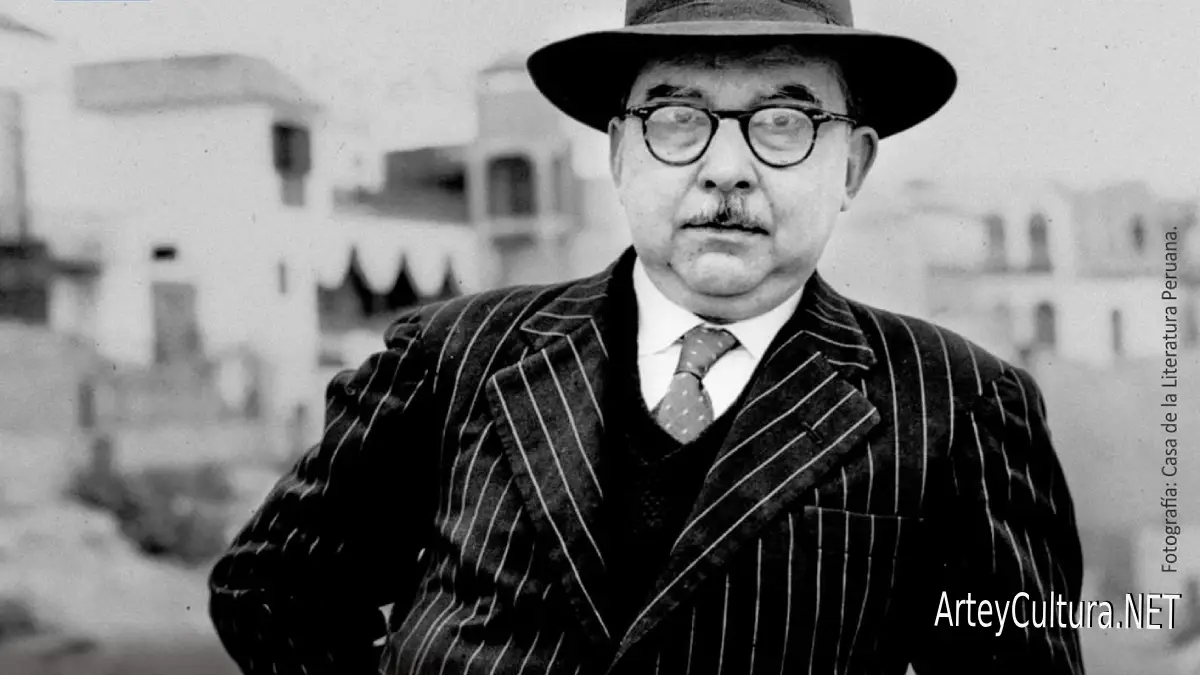
Martín Adán was the pen name of Rafael de la Fuente Benavides, born in Lima on October 27, 1908, and deceased there on January 29, 1985. His compact but demanding body of work occupies a singular place between the Peruvian avant-garde, baroque tradition, and modern philosophical poetry.
The invention of Martín Adán
While still very young, De la Fuente adopted the name that would become his literary identity. The pseudonym suggests a deliberate reinvention: “Martín” sounds ordinary, while “Adán” evokes the first man and the act of naming a world. That tension between the everyday and the absolute runs throughout his writing.
The Cardboard House
Published in 1928, La casa de cartón portrays the Lima seaside district of Barranco through fragments, sensory impressions, irony, and lyrical prose. It resists conventional plot. Streets, adolescence, weather, and social customs become unstable images, making the book a landmark of Peruvian narrative experimentation.
Poetry as inquiry
Works such as La rosa de la espinela, Travesía de extramares, La mano desasida, and Escrito a ciegas ask what a poem is and whether language can reach reality. The rose, the body, stone, God, and Machu Picchu recur not as decorative symbols but as problems the poem continually reopens.
Life without mythology
Adán lived through poverty, alcoholism, and long periods in psychiatric institutions. These circumstances affected his life and publication history, but they should not be romanticized as the origin of his art. His writing came from sustained reading, revision, formal knowledge, and intellectual discipline.
The legacy of Martín Adán
His work influenced later Peruvian poets by proving that local experience could support radical formal ambition. Adán remains difficult because he refuses easy conclusions, yet his language rewards rereading with humor, music, and startling precision.
Video: Poetry from the tower
This Spanish-language program approaches La mano desasida and the figure of Machu Picchu, offering essential Peruvian context for Adán’s meditative poetry.
Video: Biography and literary memory
This Spanish documentary reviews the writer’s Lima, bohemian reputation, illness, and work while helping distinguish the historical person from the legends surrounding him.