



Stan Getz: The Lyric Voice of the Tenor Saxophone
Stan Getz joined melodic clarity, rhythmic ease, and improvisational daring in one of the most recognizable sounds in jazz.
- Stan Getz
- jazz
- tenor saxophone
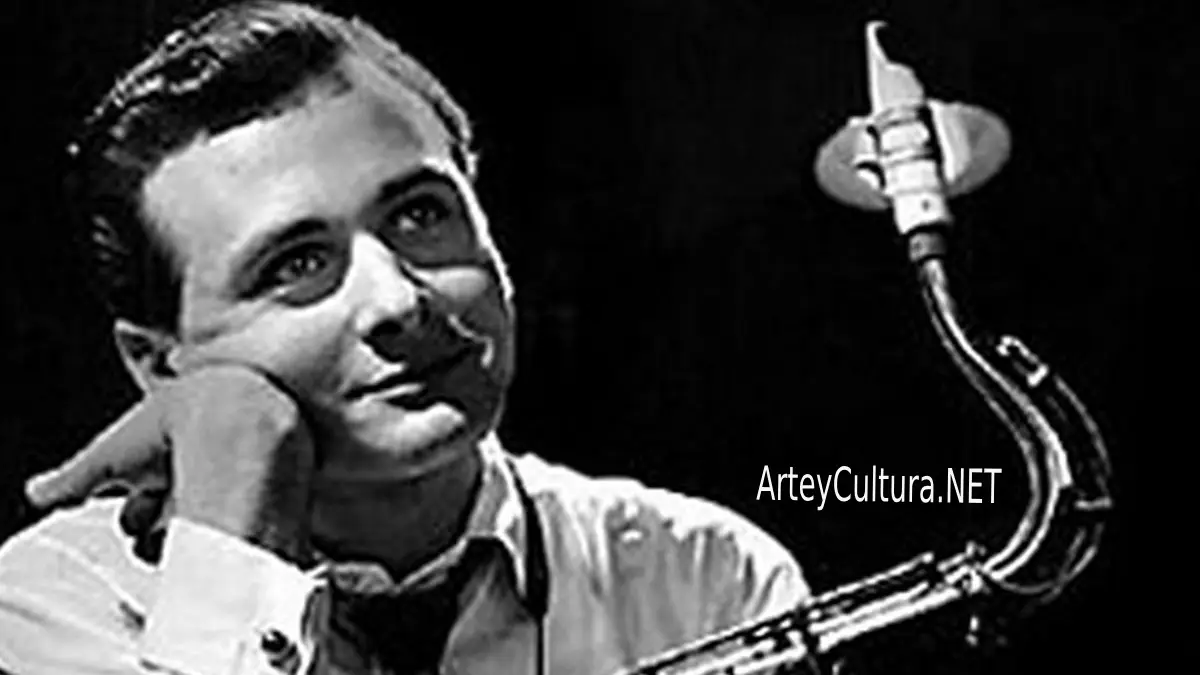
Stan Getz was born in Philadelphia on February 2, 1927, and died in Malibu on June 6, 1991. Admired as “The Sound,” he made the tenor saxophone sing with a light tone, poised phrasing, and an improvisational intelligence that could remain calm without losing intensity.
Apprenticeship in the big bands
Raised in New York, Getz became a professional while still a teenager. Work with Jack Teagarden, Stan Kenton, Jimmy Dorsey, and Benny Goodman gave him an exacting education in ensemble playing. His featured passage in Woody Herman’s “Early Autumn” brought wider recognition and helped define the cool-jazz tenor sound.
A personal musical language
Getz acknowledged Lester Young as a decisive influence, but developed a voice of his own. Long melodic arcs, subtle accents, and an airy timbre made his playing immediately identifiable. Behind its apparent ease lay strong rhythmic control and an ability to respond closely to other musicians.
The encounter with bossa nova
Albums such as Jazz Samba and Getz/Gilberto helped introduce bossa nova to a vast international audience. His collaboration with João Gilberto, Antônio Carlos Jobim, and Astrud Gilberto produced “The Girl from Ipanema,” while also demonstrating how jazz improvisation could converse respectfully with Brazilian harmony and rhythm.
Achievement and contradiction
Getz continued exploring standards, modern jazz, and intimate collaborations long after the bossa nova boom. His final recordings, including People Time with Kenny Barron, reveal undiminished lyricism. His life also included addiction and damaging personal behavior; honest biography must hold artistic accomplishment and human complexity together.
The legacy of Stan Getz
His recordings remain lessons in tone, restraint, and melodic invention. Getz showed that technical command need not announce itself loudly: a quiet phrase, shaped with precision, can alter the emotional temperature of an entire performance.
Video: “I Remember Clifford”
This instrumental performance lets the listener hear Getz sustain a narrative across a ballad, balancing tenderness with disciplined improvisation.
Video: Getz in his own words
This English interview excerpt adds a candid human voice to the recordings and helps place the musician’s choices, losses, and ambitions in context.