Vincent van Gogh: Color, Labor, and a Lasting Vision
Vincent van Gogh transformed close observation and intense color into paintings that changed the course of modern art.
- Vincent van Gogh
- Dutch painting
- Post-Impressionism
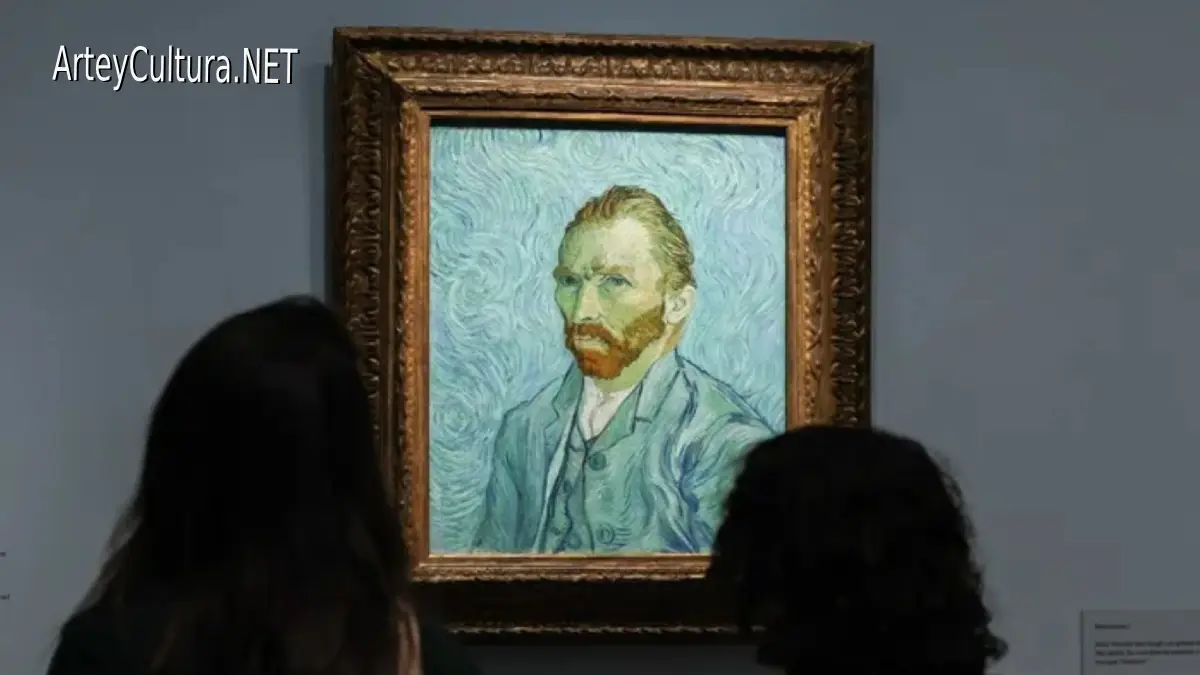
Vincent van Gogh was born in Zundert, the Netherlands, on March 30, 1853, and died in Auvers-sur-Oise, France, on July 29, 1890. His career lasted barely a decade, yet his searching line, forceful brushwork, and emotionally charged color helped reshape modern painting.
A late commitment to art
Van Gogh worked as an art dealer, teacher, and lay preacher before committing himself to art around 1880. In the Netherlands he drew laborers and rural communities with unusual seriousness. The Potato Eaters reflects this early interest in work, poverty, and the dignity of ordinary life.
Paris, Arles, and a new palette
After joining his brother Theo in Paris, Van Gogh encountered Impressionism and Japanese prints. His palette brightened and his handling of paint became more direct. In Arles he painted orchards, cafés, portraits, fields, and the celebrated sunflower series while imagining a community of artists. His difficult collaboration with Paul Gauguin ended in crisis.
Painting as disciplined observation
The expressive surface of his pictures was not accidental. Van Gogh studied complementary colors, repeated subjects, and adapted every stroke to the structure of trees, faces, clouds, or cultivated land. During treatment at Saint-Rémy, and later in Auvers, painting remained a demanding daily practice rather than a spontaneous outpouring alone.
Letters and human complexity
Hundreds of letters, especially those exchanged with Theo, reveal an informed reader who reflected on technique, literature, faith, money, and artistic purpose. His illness should not be romanticized as the source of his talent: suffering repeatedly interrupted work that depended on concentration, learning, and persistence.
The legacy of Vincent van Gogh
Van Gogh received little public recognition during his lifetime, but his work later inspired Expressionism and generations of artists. His achievement lies not in the myth of the isolated genius, but in the union of observation, craft, vulnerability, and an urgent desire to make visible the life within the world.
Video: Vincent tells his story
This English-language presentation by the Van Gogh Museum introduces his biography through works, places, and letters, connecting the familiar images to the decisions behind them.
Video: How Van Gogh worked
The museum examines materials and technique in English, showing why the physical construction of a painting is essential to understanding his expressive power.