The Daza Codex: Inside Lope de Vega's Writing Workshop
The Daza Codex preserves the drafts, deletions and revisions of Lope de Vega, allowing readers to follow literary composition before the polished printed text.
- Daza Codex
- Lope de Vega
- Spanish Golden Age
- literary manuscripts
- National Library of Spain
- textual criticism
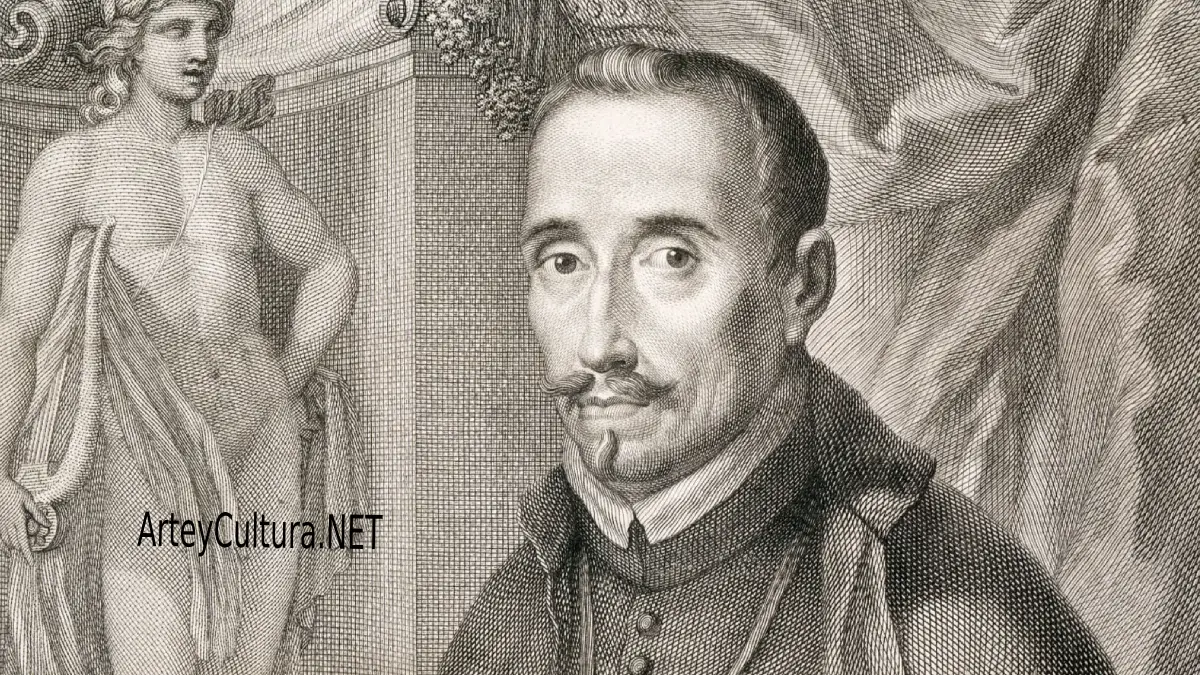
The Daza Codex is an exceptional volume of autograph drafts by Lope de Vega. Its pages preserve prose and verse together with deletions, additions, reordered passages and marginal notes that normally vanish from a printed edition.
An exceptional working manuscript
An autograph manuscript is written in the author’s own hand. The Daza Codex is especially valuable because it records composition in progress rather than only a clean final copy.
Uneven spacing, ink, handwriting and physical alterations make the book an object of evidence. Readers can enter a workshop where a phrase or stanza emerges through uncertainty and revision.
Lope de Vega in his final years
Felix Lope de Vega y Carpio was born in Madrid on November 25, 1562, and died there on August 27, 1635. Poet, prose writer and extraordinarily prolific dramatist, he reshaped Spanish theatre by combining comic and tragic registers, social groups and conflicts of honour.
Most of the codex belongs to his later years, when immense fame coexisted with family loss, religious concern and continued creative activity.
The codex enters the National Library
This Spanish report documents the acquisition of the Daza Codex by the National Library of Spain. Close images reveal material features that transcription cannot reproduce and explain why the draft has exceptional documentary value.
What revisions reveal
A corrected page records choices: one word replaces another, rhythm changes, a verse moves into a margin or a passage is abandoned. Comparing variants with published texts allows scholars to reconstruct stages of composition.
Different genres appear together, revealing movement among poetry, prose and practical notation. Reused spaces also remind us that paper was a valuable material resource.
Lope de Vega and the Baroque stage
This Spanish documentary places Lope within Golden Age theatre and society. The wider context helps readers see the manuscript as part of a professional life governed by performance, deadlines, patronage and audience expectation.
Ownership, conservation and access
The volume remained in private hands for generations and took its name from the Daza family. Acquisition by the National Library secured institutional conservation and expanded scholarly access.
Light, humidity, temperature and handling must be controlled. Digitisation reduces contact with the original and broadens access, but cannot capture every fact carried by paper, ink, binding and scale.
The significance of the Daza Codex
The codex dismantles the myth that a prolific genius produced perfect works in one inspired gesture. Even Lope revised, doubted and returned to the line. Its significance joins literature, textual scholarship and conservation, allowing modern readers to witness thought moving before it becomes a finished work.