Alejandra Pizarnik: Language, Silence and Poetic Risk
Alejandra Pizarnik compressed childhood, night, desire, identity and silence into an exacting poetry whose few words create extraordinary pressure and resonance.
- Alejandra Pizarnik
- Argentine poetry
- Latin American literature
- Diana's Tree
- The Works and the Nights
- women poets
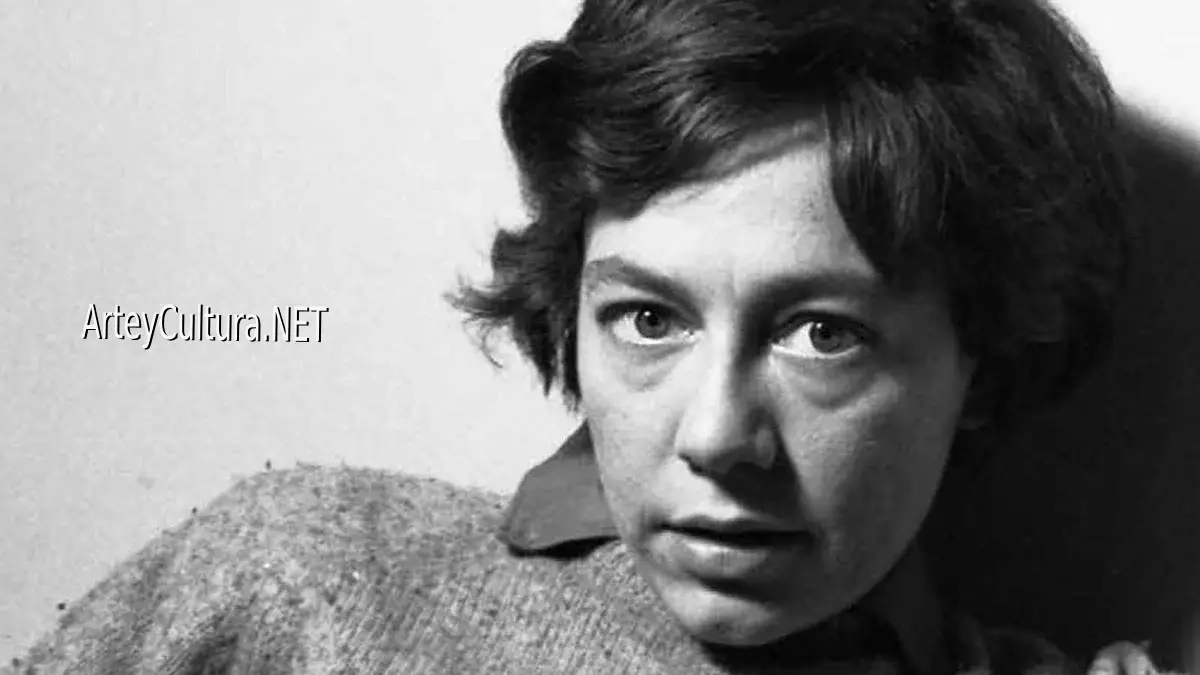
Flora Alejandra Pizarnik was born in Avellaneda, Argentina, on April 29, 1936, and died in Buenos Aires on September 25, 1972. Poet, translator and prose writer, she created an intensely concentrated literature in which language searches for what language cannot securely contain.
Family, education and artistic formation
Pizarnik was the daughter of Jewish immigrants from Eastern Europe. She studied philosophy, journalism and painting without completing a conventional degree. Her visual training remained relevant to the spacing, scale and arrangement of her poems.
Experiences of linguistic inheritance, body image, anxiety and belonging entered her work, but no biographical key translates each image directly. The poem is an artefact shaped through selection and revision.
Paris and a literary community
Between 1960 and 1964, Pizarnik lived in Paris, where she worked, translated and formed relationships with writers including Julio Cortazar and Octavio Paz. French poetry and Surrealism expanded her reading, while correspondence connected her to Latin American literary networks.
Translation sharpened her attention to the weight of individual words and to the losses produced when meaning crosses languages.
An illuminated memory
This Spanish-language documentary brings together biography, archival materials and readings. It helps English readers hear the cadence of the original language while distinguishing the historical writer from the later cultural myth.
Books of radical concentration
Diana’s Tree, The Works and the Nights and Extracting the Stone of Madness are central collections. Short lines, repetition and empty space make each word carry unusual tension.
Childhood, doubles, gardens, night, silence and death recur, but not as a stable symbolic dictionary. Their meanings change through position, sound and the speaker’s unstable relation to herself.
A biographical documentary
This Spanish documentary from Argentina’s Encuentro channel situates Pizarnik among women writers and examines her reception. Its critical framing resists the temptation to make suicide the inevitable explanation for every poem.
Diaries, letters and the limits of confession
Published diaries and correspondence reveal reading, humour, ambition, relationships and severe distress. Editorial selection and posthumous arrangement affect how these materials are understood; they should not be treated as transparent access to a private self.
Pizarnik died by suicide at thirty-six. Responsible remembrance avoids aestheticising mental suffering and keeps the achievement of the writing at the centre.
The legacy of Alejandra Pizarnik
Pizarnik transformed Spanish-language poetry through compression, silence and verbal risk. Her influence reaches poets, artists and readers across generations and languages. The most respectful encounter begins not with the circumstances of her death but with the exact, difficult life of each poem.