Michelangelo Buonarroti: Sculpture, Painting and Architecture
Michelangelo transformed marble, fresco and architecture through anatomical power and spiritual tension while negotiating patrons, workshops and immense public commissions.
- Michelangelo
- Italian Renaissance
- David
- Sistine Chapel
- Pieta
- Renaissance sculpture
Michelangelo di Lodovico Buonarroti Simoni was born in Caprese on March 6, 1475, and died in Rome on February 18, 1564. Sculptor, painter, architect and poet, he gave the human body monumental force while working inside the political and religious conflicts of Renaissance Italy.
Florence and artistic formation
Michelangelo trained briefly in the workshop of Domenico Ghirlandaio and studied sculpture in the Medici garden associated with Lorenzo de’ Medici. There he encountered antiquity, humanist learning and powerful patrons.
He insisted on identifying himself primarily as a sculptor. Intensive anatomical study and a command of drawing supported all his disciplines, including fresco and architecture.
Marble and the imagined figure
Michelangelo described carving as releasing a figure already contained within stone, but this poetic idea should not hide the practical labour involved. Selecting marble, transporting blocks, preparing models, coordinating assistants and solving fractures were all part of creation.
The Pieta in Saint Peter’s combines polished finish with an emotionally controlled composition. The colossal David transforms the biblical hero into a tense figure before action, turning concentrated attention into civic presence.
The genius behind major masterpieces
This full English documentary places the Pieta, David and Sistine Chapel within Michelangelo’s biography and patronage. It helps replace the myth of effortless inspiration with evidence of preparation, rivalry and sustained physical work.
The Sistine Chapel ceiling
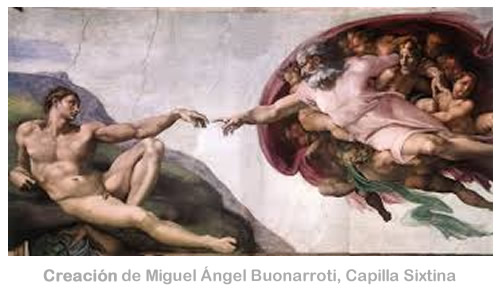
Pope Julius II redirected Michelangelo from a troubled tomb commission to the Sistine Chapel ceiling. Painted between 1508 and 1512, its architectural framework, prophets, sibyls and Genesis narratives create an immense sequence centred on the human body.
Decades later, The Last Judgment covered the altar wall. Its turbulent bodies and extensive nudity provoked admiration and censorship during changing religious conditions.
A revolution in art
This English documentary surveys Michelangelo across sculpture, painting and architecture. Comparing media makes visible a recurring concern with compressed energy, unfinished emergence and bodies carrying spiritual conflict.
Architecture and late work
Michelangelo designed the Medici Chapel and Laurentian Library in Florence, manipulating classical elements with unusual tension. In Rome he reshaped the Capitoline Hill and became chief architect of Saint Peter’s Basilica, where his dome design gave coherence to a vast inherited project.
His late sculptures, including unfinished pietas, are less polished and more visibly worked. They complicate the popular image of perfection and reveal an artist revising form until the end of life.
The legacy of Michelangelo
Michelangelo influenced Mannerism, academic training and the Western ideal of artistic genius. Yet masterpieces emerged through contracts, assistants, quarry workers, engineering and conflict. His legacy lies not only in superhuman figures, but in a lifelong struggle between material resistance, personal ambition and spiritual doubt.