The Scissors Dance and Huaconada: Ritual, Memory and Community
The Peruvian Scissors Dance and the Huaconada of Mito unite music, disciplined movement, ritual authority and intergenerational knowledge within living communities.
- Scissors Dance
- Huaconada of Mito
- Peruvian dance
- intangible cultural heritage
- Andean ritual
- Ayacucho culture
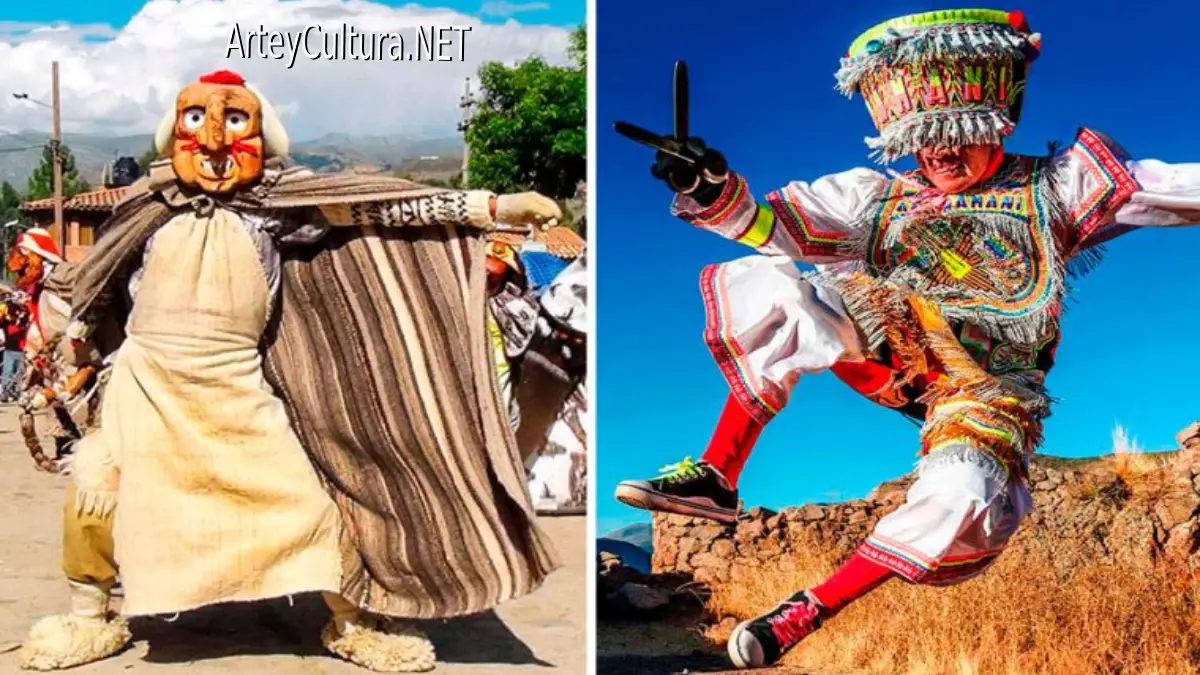
The Scissors Dance and the Huaconada of Mito are distinct Peruvian traditions united by disciplined performance, ritual authority and community transmission. UNESCO inscribed both on the Representative List of the Intangible Cultural Heritage of Humanity in 2010.
The cultural world of the Scissors Dance
The Scissors Dance is practised especially in Ayacucho, Huancavelica and Apurimac. A dancer holds two independent metal blades in one hand and strikes them rhythmically while violin and harp sustain an expanding sequence of music and movement.
The Spanish name refers to those blades, but the tradition cannot be reduced to an unusual prop. Costume, musical knowledge, religious festival, reciprocity and the standing of performers all shape its meaning.
Competition, discipline and ritual challenge
Dancers may face one another in an atipanakuy, a progressive contest of steps, balance, acrobatics and endurance. Spectacular tests are grounded in years of embodied training and relationships among masters, apprentices, musicians and communities.
Colonial descriptions often demonized Andean ritual specialists. Modern performance carries histories of resistance and adaptation, but interpretations should avoid treating every gesture as a secret survival with one fixed ancient meaning.
A ceremonial Scissors Dance
This Spanish-language Peruvian record allows viewers to observe coordination between dancer, violin, harp and sounding blades. The unfolding sequence shows that virtuosity is inseparable from musical dialogue and ceremonial time.
The Huaconada of Mito
During the first days of January in Mito, Junin, masked huacones move through the town and embody ancestral authority. Their carved masks, cloaks, controlled steps and whips create a public presence associated with order and moral conduct.
Older and younger huacones perform differentiated roles. Knowledge is transmitted across generations, and the dance temporarily reorganizes social space through recognised responsibilities.
Masks and collective organisation
This Spanish-language account of the Huaconada explains its principal characters and shows the masks and movement within their local setting. The community voice is especially valuable because intangible heritage lives through practitioners, not through objects alone.
Similarity without confusion
Both traditions combine dance, music, memory and obligation, yet they belong to different regions and ceremonial systems. Presenting them together should encourage comparison without collapsing their histories into a generic image of Andean folklore.
Their cultural significance
International recognition can support visibility, but it may also encourage abbreviated tourist versions. Safeguarding requires fair support for practitioners, transmission to younger generations and respect for the festivals and social relationships that give performance meaning. These dances remain heritage because communities continue to negotiate and renew them, not because they are frozen relics of the past.