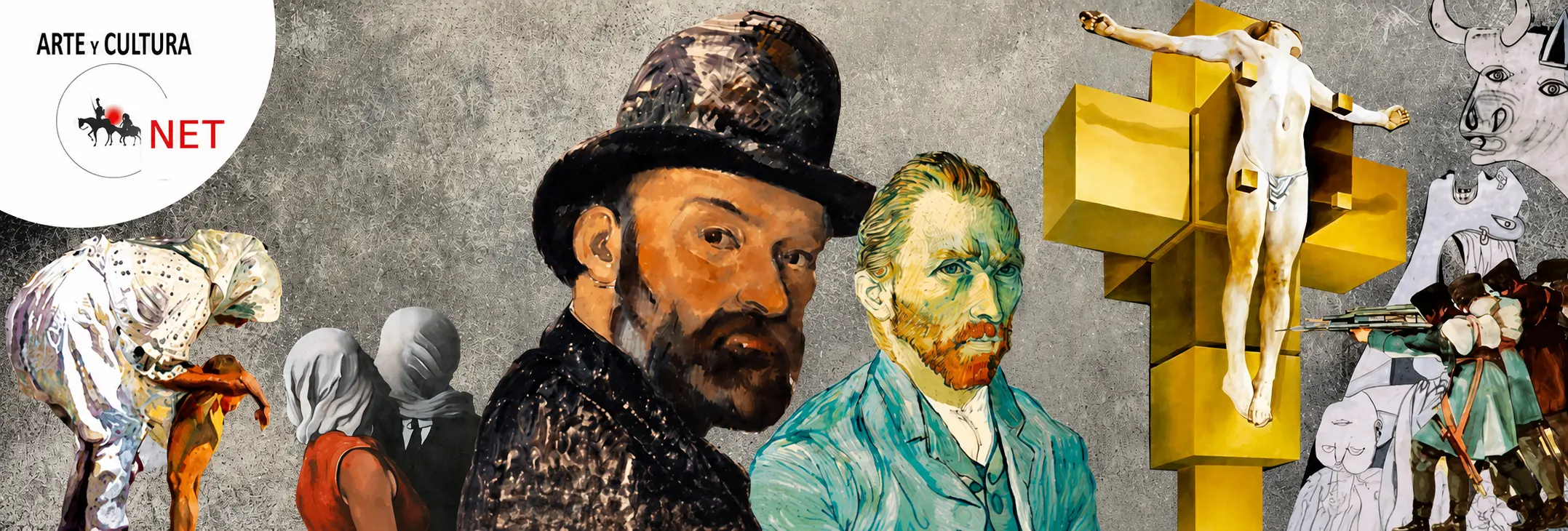
Paul Cezanne: Structure, Perception and Modern Painting
Paul Cezanne rebuilt landscape, still life and the human figure through colour relationships and shifting viewpoints, laying crucial foundations for modern art.
- Paul Cezanne
- Post-Impressionism
- modern painting
- still life
- Mont Sainte-Victoire
- French art
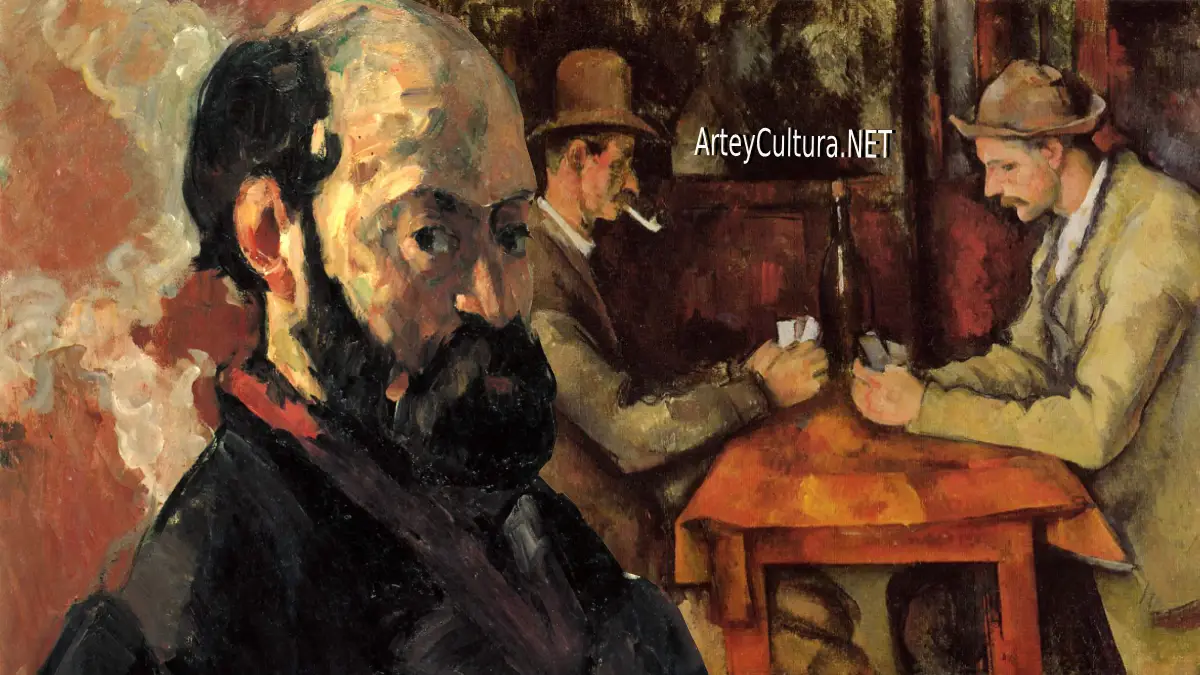
Paul Cezanne was born in Aix-en-Provence, France, on January 19, 1839, and died there on October 22, 1906. His persistent study of perception gave landscape, still life and the human body a new structural intensity that profoundly affected twentieth-century art.
Aix, Paris and an uncertain beginning
Cezanne initially studied law to satisfy his prosperous father, but chose painting and travelled repeatedly to Paris. His early pictures are dark, thickly worked and emotionally turbulent. Rejection by official exhibitions reinforced his distrust of the metropolitan art world.
His childhood friendship with writer Emile Zola was formative, although the relationship later deteriorated. More decisive artistically was Camille Pissarro, who encouraged Cezanne to work outdoors and lighten his palette.
Sensation made durable
Cezanne did not want to imitate a fixed optical snapshot. He built forms through small, related strokes of colour, repeatedly adjusting edges and intervals. Objects may tilt or be seen from slightly different viewpoints because perception itself unfolds over time.
The result is neither conventional perspective nor arbitrary distortion. Tables, fruit, mountains and bodies appear stable yet alive with the act of looking.
The father of modern art
This English-language National Gallery film introduces Cezanne’s development and reputation. Close views of the paintings make visible how colour constructs volume and why apparently awkward passages became productive for later artists.
Still lifes, bathers and Provence
Apples, bottles and folded cloth gave Cezanne a controlled setting in which to test balance and depth. He often revised slowly, so fruit and durable objects were more cooperative than human models.
He also returned to groups of bathers and to Mont Sainte-Victoire. Repetition did not indicate a lack of subjects. Each version investigates weather, distance, geometry and the unstable relationship between observed motif and painted surface.
A radical approach to still life
This English Sotheby’s analysis focuses on the tensions inside a Cezanne still life. It explains how tilted planes and changing viewpoints hold the viewer’s attention while preserving a carefully negotiated equilibrium.
Recognition and late practice
Cezanne worked for years with limited acceptance, but younger painters and dealers increasingly sought him out. A major retrospective in 1895 strengthened his reputation. His final paintings became more open and economical without abandoning rigorous observation.
He continued working outdoors in difficult weather, became ill after a storm and died soon afterwards.
The legacy of Paul Cezanne
Picasso and Matisse recognized Cezanne as a foundational master. Cubism drew lessons from his faceted construction and mobile viewpoint, while abstraction learned that a painting could organize its own reality. His legacy is not a formula of cones and cylinders; it is a discipline of doubt in which every mark renegotiates what and how we see.