Madrid Museum of Romanticism: Art and Nineteenth-Century Life
The Museum of Romanticism in Madrid brings painting, literature, music, furniture and private life together inside a carefully interpreted historic residence.
- Museum of Romanticism
- Madrid museums
- Spanish Romanticism
- nineteenth century
- historic interiors
- Spanish painting
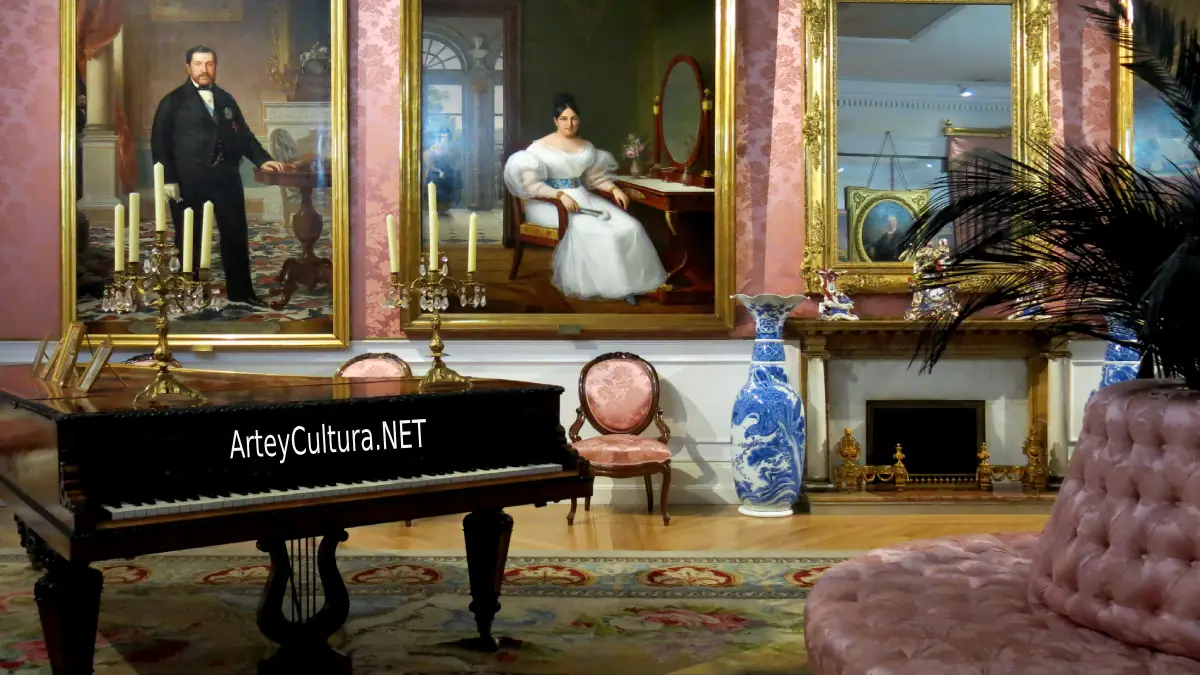
The Museum of Romanticism in Madrid occupies the former palace of the Marquis of Matallana. Its paintings, furniture, musical instruments and personal objects recreate the social and emotional world of Spain’s nineteenth century rather than presenting Romanticism as an isolated artistic style.
A palace transformed into a museum
The building was constructed in 1776 and retains the intimate proportions of an aristocratic residence. Collector and cultural promoter Benigno de la Vega-Inclan assembled the founding collection and donated it to the Spanish state.
The institution opened in 1924 as the Museo Romantico. Following extensive renovation and reinterpretation, it reopened in 2009 under its present name.
Romanticism as a way of living
Romanticism changed literature, painting and music, but also ideas about individuality, memory, love, death and the home. The museum’s room sequences allow visitors to connect those ideas with the material habits of daily life.
Portraits, pianos, porcelain, miniatures, toys, jewellery and writing objects acquire meaning through their placement. A salon suggests sociability and performance; a bedroom makes privacy, illness and mourning part of cultural history.
Preparing the renewed museum
This largely visual record from Spain’s Ministry of Culture documents work before the 2009 reopening. It reveals that a historic interior is a scholarly construction requiring conservation, research, installation and careful decisions about context.
Artists, writers and objects
The collection includes work associated with Federico de Madrazo, Leonardo Alenza and Valeriano Dominguez Becquer. Portraiture is especially important because clothing, pose and setting communicate social role as well as individual likeness.
Objects connected with writer Mariano Jose de Larra evoke the literary culture and political tensions of the period. Music is present not merely through instruments but through the role of performance in domestic gatherings.
A room-by-room Spanish visit
This Spanish-language tour moves through the principal rooms and explains their uses. The images enable English readers to test the article’s interpretation against furniture, paintings and spatial relationships visible on screen.
How to read a period interior
A recreated room should not be mistaken for an untouched time capsule. Objects may come from different owners and locations, and curators arrange them to communicate historically supported patterns. Labels, provenance and conservation records therefore matter as much as atmosphere.
This critical awareness enriches the experience. It allows visitors to enjoy the illusion of entering another era while understanding how museums produce narratives from surviving material evidence.
The museum’s cultural significance
The Museum of Romanticism preserves connections often divided among fine art, literature, decorative arts and social history. Its greatest achievement is experiential: it shows how large artistic ideas inhabited small gestures, domestic rooms and everyday objects in nineteenth-century Madrid.