The Funeral of Jose Maria Arguedas: Mourning, Music and Memory
The funeral procession of Jose Maria Arguedas joined students, artists, Andean music and dance in an extraordinary public expression of grief and cultural memory.
- Jose Maria Arguedas
- Peruvian literature
- Andean culture
- funeral rites
- cultural memory
- Quechua world
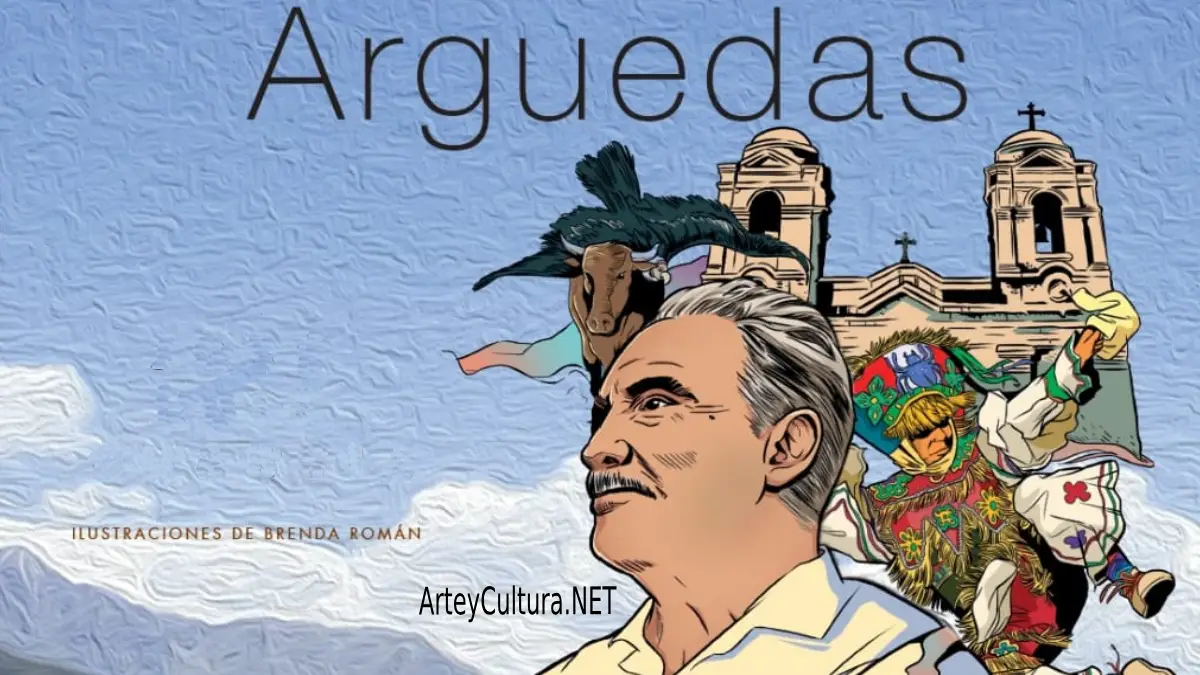
The Peruvian writer and anthropologist Jose Maria Arguedas was born in Andahuaylas on January 18, 1911, and died in Lima on December 2, 1969, four days after shooting himself at the National Agrarian University in La Molina. His funeral became an exceptional encounter between personal grief, university life and Andean cultural expression.
A writer between languages and worlds
Arguedas grew up in close contact with Quechua-speaking communities and learned Quechua as a living emotional language. Novels such as Yawar Fiesta, Deep Rivers and All Bloods explored a Peru fractured by race, power, modernization and competing ideas of nationhood.
His anthropological research, translations and collections of oral culture were inseparable from his fiction. He did not portray Andean culture as a static remnant: he observed change, conflict, migration and creative survival.
The circumstances of his death
Arguedas experienced severe depression and wrote with painful openness about his condition. He left letters and practical instructions concerning his work and farewell. Discussing the death responsibly means neither hiding the suicide nor turning it into romantic spectacle.
His final novel, The Fox from Up Above and the Fox from Down Below, interweaves the transformation of the port of Chimbote with diary passages about writing and despair.
Historical images of the funeral
This Spanish-language archival record shows the crowd that accompanied Arguedas. The music and dance visible in the footage are not decorative additions; they are collective languages of farewell, recognition and continuity.
A procession unlike a conventional ceremony
Students, intellectuals, artists and musicians gathered around the funeral procession to El Angel Cemetery. Andean instruments, songs and dancers altered the expected solemnity of an urban burial. Mourning became public affirmation of the communities and expressive forms that Arguedas had defended throughout his life.
The event should not be simplified into a perfectly unified national moment. Its force arose precisely from unresolved tensions between official institutions, the university, Lima and the Andean worlds represented in his scholarship and literature.
Remembering the day Arguedas died
This Spanish-language account reconstructs the writer’s final days and the response to his death. Its biographical context helps viewers interpret the funeral without separating it from depression, intellectual labour and the historical pressures documented in his work.
From Lima to Andahuaylas
In 2004, Arguedas’s remains were transferred from Lima to Andahuaylas. The relocation renewed debate about belonging, regional memory and who has the authority to honour a national writer.
The significance of the funeral
The funeral remains a powerful image because art, scholarship and communal ritual occupied the same public space. It reveals the profound relationship between Arguedas and readers who recognized their languages and conflicts in his work. The lasting task is not to turn him into an untouchable symbol, but to read him closely and continue the difficult conversation about a multilingual, unequal and culturally plural Peru.