Anthony van Dyck: Portraiture, Elegance and Courtly Power
The Antwerp training, Italian journey, English court portraits and legacy of Anthony van Dyck, whose visual language shaped aristocratic representation for centuries.
- Anthony van Dyck
- Flemish Baroque
- portrait painting
- Charles I
- Rubens
- British art
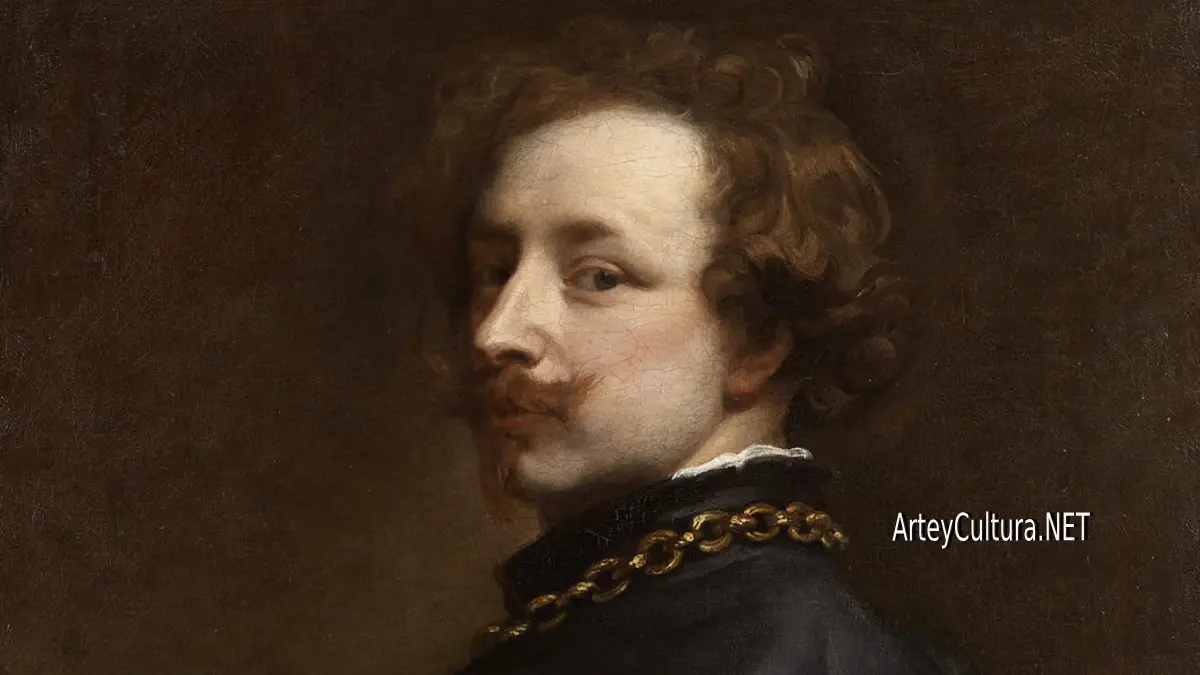
Anthony van Dyck, also known as Anton van Dyck, was born in Antwerp on March 22, 1599, and died in London on December 9, 1641. He transformed court portraiture by combining social rank with expressive gesture and an appearance of effortless elegance.
Precocity in Antwerp
Van Dyck trained with Hendrick van Balen and became an independent master while young. He worked in the orbit of Peter Paul Rubens, absorbing dynamic composition, rich colour and the organisation of a successful workshop.
His early religious paintings show dramatic ambition, while portraits already reveal the elongated bodies and alert faces that became his signature.
Italy and the Genoese elite
Between 1621 and 1627, Van Dyck travelled through Italy and studied Titian. In Genoa he portrayed aristocratic families amid columns, curtains and luxurious fabrics.
The sitters appear elevated yet alive. Hands, posture and glance keep ceremony from becoming an empty inventory of expensive clothing.
A visual journey through the work
This language-neutral survey compares Flemish, Italian and English phases. Changes in setting are clear, but Van Dyck’s interest in graceful bodily presence remains consistent.
Principal painter to Charles I
Van Dyck settled in London in 1632 and became principal painter to King Charles I, who knighted him. Portraits of the king and Queen Henrietta Maria created an enduring image of Stuart authority.
Charles I at the Hunt appears informal, yet the low viewpoint, landscape and relaxed command carefully sustain hierarchy. Naturalness is itself constructed.
Royal portraiture reconsidered
This English documentary explains how Van Dyck redefined royal portraiture in England. It helps viewers read pose, costume and setting as a visual politics of power.
Achievement and legacy
Van Dyck influenced Peter Lely, Joshua Reynolds and Thomas Gainsborough. His legacy is not a formula for flattering faces alone; it is a complete social language in which dignity appears personal, spontaneous and therefore persuasive.