Ernesto Sabato: Darkness, Conscience and Civic Responsibility
The scientific formation, novels, essays, human-rights work and legacy of Argentine writer Ernesto Sabato, author of The Tunnel and On Heroes and Tombs.
- Ernesto Sabato
- Argentine literature
- The Tunnel
- On Heroes and Tombs
- CONADEP
- human rights
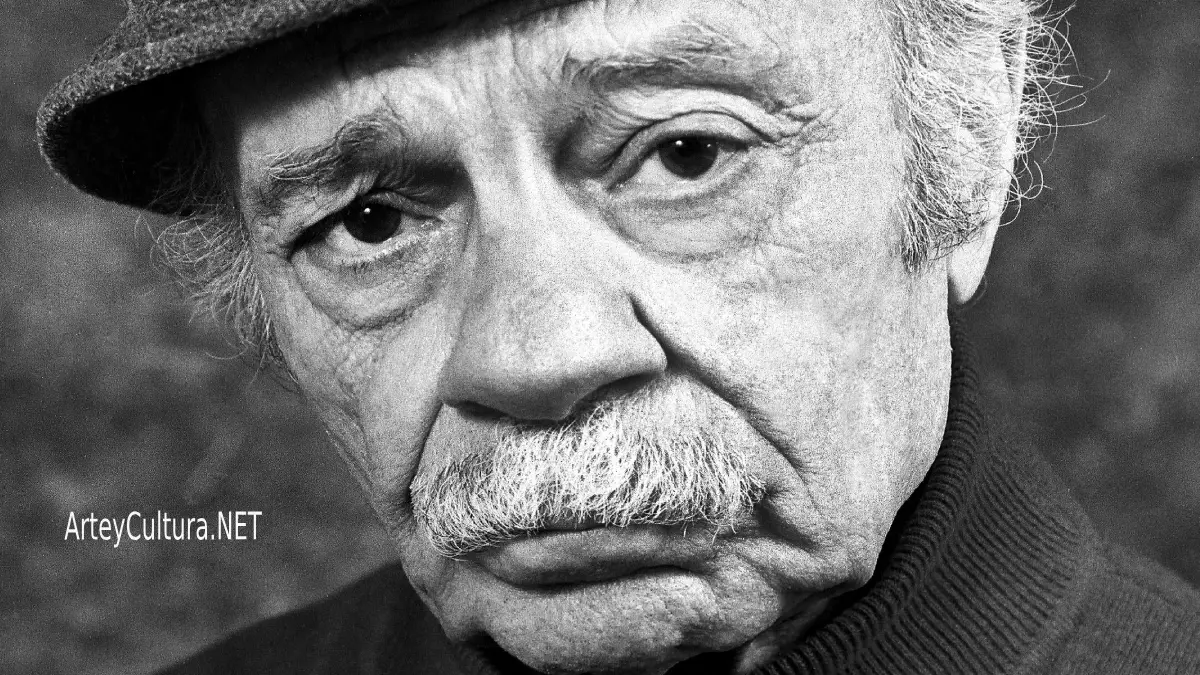
Ernesto Sabato was born in Rojas, Argentina, on June 24, 1911, and died in Santos Lugares on April 30, 2011. Physicist, novelist, essayist and painter, he explored obsession and solitude while also accepting a major public responsibility in Argentina’s recovery of truth after dictatorship.
Science and the break with research
Sabato earned a doctorate in physics and worked in scientific research, including a period in Paris. He eventually abandoned that career for literature and painting.
The decision shaped his essays on rationality and dehumanisation. He did not reject knowledge itself; he questioned a civilisation that treats technical power as sufficient moral guidance.
Three novels
The Tunnel follows a painter whose confession reveals obsession, jealousy and murder. Its apparent clarity traps readers inside a consciousness that explains itself without becoming trustworthy.
On Heroes and Tombs expands private crisis into Argentine history and includes the nightmarish “Report on the Blind.” Abaddon the Exterminator dissolves boundaries between author, character and national catastrophe.
Sabato on art
In this Spanish archival interview, Sabato explains his conception of art. His severe moral tone reveals the continuity he perceived between creative work and responsibility.
Essays, modernity and contradiction
Sabato wrote about existential anxiety, scientific civilisation and the artist’s role. His public positions changed over time and have been debated; a responsible legacy includes those contradictions rather than creating a faultless moral hero.
What remains consistent is a refusal of indifference. Darkness in the novels becomes a reason to search for fragile human solidarity.
CONADEP and Never Again
After Argentina returned to democracy, Sabato chaired the National Commission on the Disappearance of Persons. Its investigation documented forced disappearance and produced the 1984 report Nunca Mas.
This Spanish biography situates his writing and civic role within twentieth-century Argentina.
Achievements and legacy
Sabato received the Cervantes Prize in 1984. His legacy joins psychological intensity with public memory: literature does not abolish evil, but it can challenge the excuses by which societies avoid seeing it.