Nick Brandt: Photography, Wildlife and African Conservation
The cinematic background, photographic series, environmental activism and developing legacy of Nick Brandt, whose portraits confront the loss of East African habitats.
- Nick Brandt
- wildlife photography
- African conservation
- Inherit the Dust
- This Empty World
- environmental art
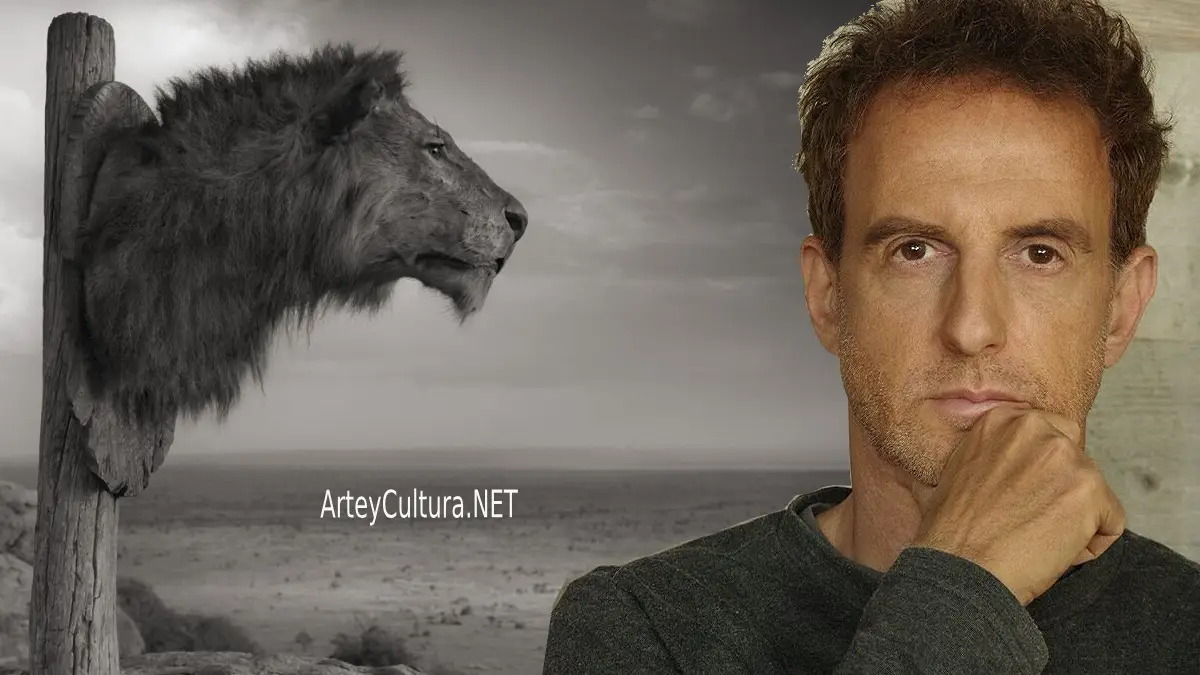
Nick Brandt, born in London in 1964, is a photographer and filmmaker whose work centres on animals, landscapes and communities in East Africa. His images use beauty not as escape from ecological crisis, but as a reason to confront it.
From film direction to still photography
Brandt studied film and painting and directed music videos before committing to long-term photographic work in Africa. Cinema trained his attention to staging, atmosphere and sequence, yet the still image allowed a different kind of sustained encounter.
For his early animal portraits he avoided the detached appearance of extreme telephoto photography. Working comparatively close created a sense of shared space and individual presence.
Portraits rather than specimens
The black-and-white trilogy beginning with On This Earth presents elephants, lions, giraffes and other animals with monumental calm. Low horizons, weather and careful tonal printing often evoke formal human portraiture.
That choice resists treating wildlife as anonymous abundance. Each subject appears particular, while the elegiac mood warns that an apparently timeless landscape is already disappearing.
In the eye of the beholder
This English presentation introduces Brandt’s visual purpose and the patient composition behind the photographs. It shows why their stillness should not be confused with passive documentary recording.
Constructed series and environmental pressure
Inherit the Dust placed life-sized photographs of animals within sites of urban expansion and industrial waste. This Empty World combined separate exposures of wildlife and constructed human activity at the same location.
The resulting scenes are deliberately fabricated but describe real pressures: roads, buildings and extraction consume habitat. Transparency about method is essential because construction serves testimony rather than pretending to be an untouched instant.
Photography in a changing technological culture
In this English interview, Brandt discusses authorship and photographic work amid rapidly generated imagery. The conversation connects technology with the ethical importance of sustained contact and intention.
Conservation and legacy
Brandt co-founded the Big Life Foundation, which supports protection and community-based conservation in East Africa. His developing legacy joins image and action: the photographed animal is not only a symbol of loss, but a living subject whose future depends on decisions beyond the gallery.