Paul McCartney: Melody, Craft and Continual Reinvention
The Liverpool origins, Beatles partnership, bass playing, Wings years and continuing legacy of Paul McCartney as songwriter, performer and studio musician.
- Paul McCartney
- The Beatles
- Wings
- songwriting
- bass guitar
- British rock
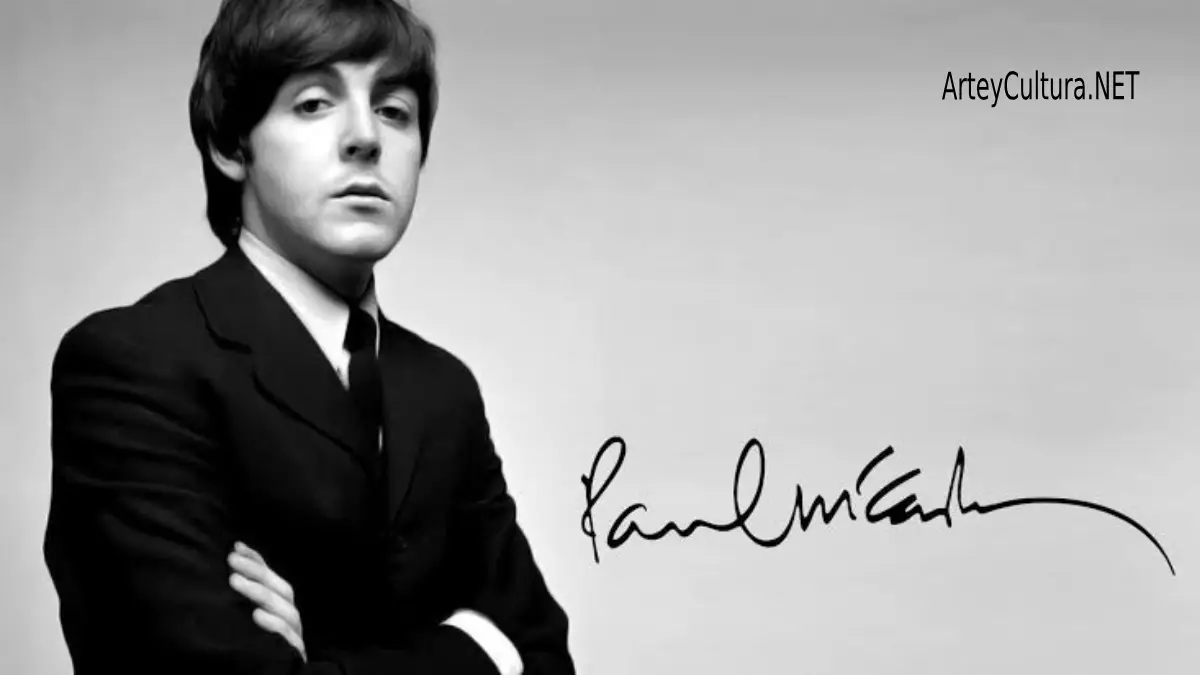
James Paul McCartney was born in Liverpool on June 18, 1942. Singer, songwriter, bassist and multi-instrumentalist, he helped transform popular music with the Beatles and then sustained an independent career across more than five decades.
Liverpool and John Lennon
McCartney grew up in a musical household and lost his mother while still a teenager. In 1957 he met John Lennon and joined the Quarrymen, the group that evolved into the Beatles.
The Lennon–McCartney credit covered a flexible partnership. Some songs were written together and others principally by one composer, but rivalry, editing and shared standards strengthened both.
Melody and the bass as a second voice
McCartney’s songwriting moves comfortably among rock, ballad, music hall and experiment. Melodic immediacy often conceals exact decisions about harmony, form and instrumentation.
As bassist, he developed mobile lines that answer the vocal while preserving rhythmic foundation. Something and Come Together show how a bass part can become memorable without crowding the song.
Reunited with Ringo Starr
This English concert medley with Ringo Starr connects historical repertory to present performance. Familiarity is sustained through live interaction rather than museum-like repetition.
Studio imagination with the Beatles
McCartney contributed strongly to the studio experimentation of Revolver, Sgt. Pepper’s Lonely Hearts Club Band and Abbey Road. Tape, orchestration and editing expanded what a pop song could contain.
His breadth also generated tensions within the group, especially as collective direction became harder to negotiate near the end.
Wings and a second career
After the Beatles, McCartney recorded intimate solo work and formed Wings with Linda McCartney and Denny Laine. Band on the Run established that his post-Beatles identity could produce its own enduring repertory.
This English official presentation of the remastered Venus and Mars material places Wings within a continuing process of archival renewal and rediscovery.
Legacy
McCartney’s legacy combines songs, inventive bass playing, studio experimentation and unusual longevity. His central craft remains adaptation: a strong melody can change arrangement, generation and medium without losing its human centre.