Alberto Flores Galindo: History, Utopia and Peruvian Society
The life, social history, Andean research and critical legacy of Alberto Flores Galindo, author of In Search of an Inca and a major Peruvian public intellectual.
- Alberto Flores Galindo
- Peruvian history
- Andean utopia
- In Search of an Inca
- social history
- Peruvian intellectuals
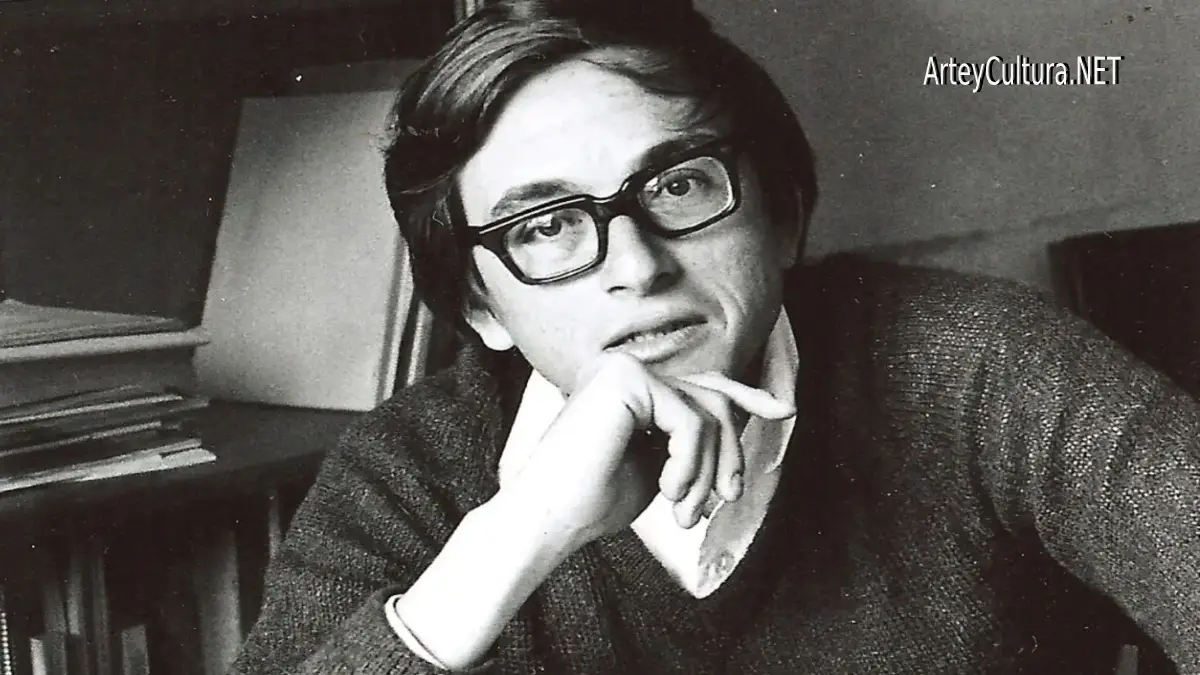
Alberto Flores Galindo was born in Bellavista, Callao, on May 28, 1949, and died in Lima on March 26, 1990. Historian, essayist and teacher, he joined archival research with an urgent effort to understand inequality, racism and political imagination in Peru.
Education and intellectual setting
Flores Galindo studied at the Pontifical Catholic University of Peru and continued his formation in France. He worked during a period when social history was expanding attention beyond elites toward workers, indigenous communities and collective movements.
Marxist analysis informed his work, but he resisted formulas that forced evidence into a predetermined conclusion. Culture, fear, memory and hope mattered alongside economic structures.
Lima, workers and the republic
His research examined aristocratic Lima, labour history and the difficult relationship between the coast and the Andes. He challenged celebratory official narratives without replacing them with a single heroic counter-history.
Writing for broader audiences was part of the method. History should enter public discussion, not remain confined to specialists.
The complete works reconsidered
This Spanish-language scholarly presentation introduces the scope of Flores Galindo’s collected works. It helps situate individual books within a short but remarkably productive intellectual career.
In Search of an Inca
In Buscando un Inca, Flores Galindo studied Andean utopia: recurring images of an Inca past imagined as an alternative to colonial and republican injustice.
He did not treat utopia as simple nostalgia or timeless indigenous essence. Different social actors reshaped it under changing historical pressures, sometimes toward liberation and sometimes toward exclusion.
Why his questions remain current
This Spanish recommendation and discussion explains why new readers return to his work. Questions about racism, fragmented citizenship and national possibility remain unresolved.
Achievement and legacy
Flores Galindo died at only 40. His legacy lies in combining scholarly rigour, readable prose and critical imagination. He approached the past as a contested resource through which Peru continues to argue about what it has been and what it might become.