Franz Kafka: The Individual, Authority and Modern Estrangement
The Prague life, insurance work, major fiction and legacy of Franz Kafka, whose precise prose made opaque authority and transformed identity permanently unsettling.
- Franz Kafka
- German-language literature
- The Metamorphosis
- The Trial
- Prague
- modernism
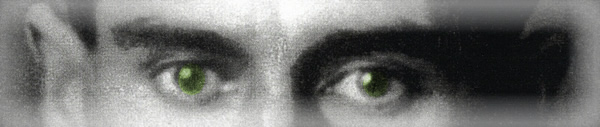
Franz Kafka was born in Prague on July 3, 1883, and died near Vienna on June 3, 1924, from tuberculosis. A German-language Jewish writer in a multilingual imperial city, he made impossible situations disturbingly credible through exact and restrained prose.
Prague, family and language
Kafka grew up within several overlapping identities: German-speaking, Jewish, Bohemian and a subject of the Austro-Hungarian Empire. His difficult relationship with his father became explicit in the long Letter to His Father.
Family experience matters, but the fiction cannot be reduced to one psychological conflict. Its institutions and transformations exceed private allegory.
Law and accident insurance
Kafka studied law and worked at the Workers’ Accident Insurance Institute. Reports and professional duties brought him close to bureaucracy, industrial injury and systems whose language distributes responsibility.
He wrote largely outside office hours. Contrary to the image of an entirely obscure clerk, he published stories and read work publicly, although his broad fame came after death.
An English documentary portrait
This English documentary introduces Kafka’s family and Prague environment. Context helps explain available pressures while the clarity of the fiction remains its own artistic construction.
Transformation and opaque rules
In The Metamorphosis, Gregor Samsa wakes transformed into an insect-like creature, yet the narration treats the impossible event with administrative calm. Family economics and shame become more frightening than biological explanation.
The Trial and The Castle follow people seeking rules and authorities that continually recede. The systems are absurd, but never random: each develops procedures capable of trapping anyone who tries to obey them.
What “Kafkaesque” means
This English explanation distinguishes the Kafkaesque from mere strangeness. It requires a recognisable logic whose promises of clarification deepen powerlessness.
Max Brod and the unfinished work
Kafka asked his friend Max Brod to destroy unpublished manuscripts. Brod refused, edited the unfinished novels and secured their publication. Readers therefore owe access to an act that also raises lasting ethical questions about an author’s wishes.
Legacy
Kafka changed fiction and supplied modern language with a name for impersonal power. Dark humour is essential to that legacy: laughter exposes the gap between solemn authority and the impossible machinery it expects us to accept.