Federico Garcia Lorca: Poetry, Theatre and Creative Freedom
The Andalusian roots, poetry, theatre, La Barraca project, New York crisis and legacy of Federico Garcia Lorca, murdered at the start of the Spanish Civil War.
- Federico Garcia Lorca
- Spanish poetry
- Spanish theatre
- Generation of 1927
- La Barraca
- Poet in New York
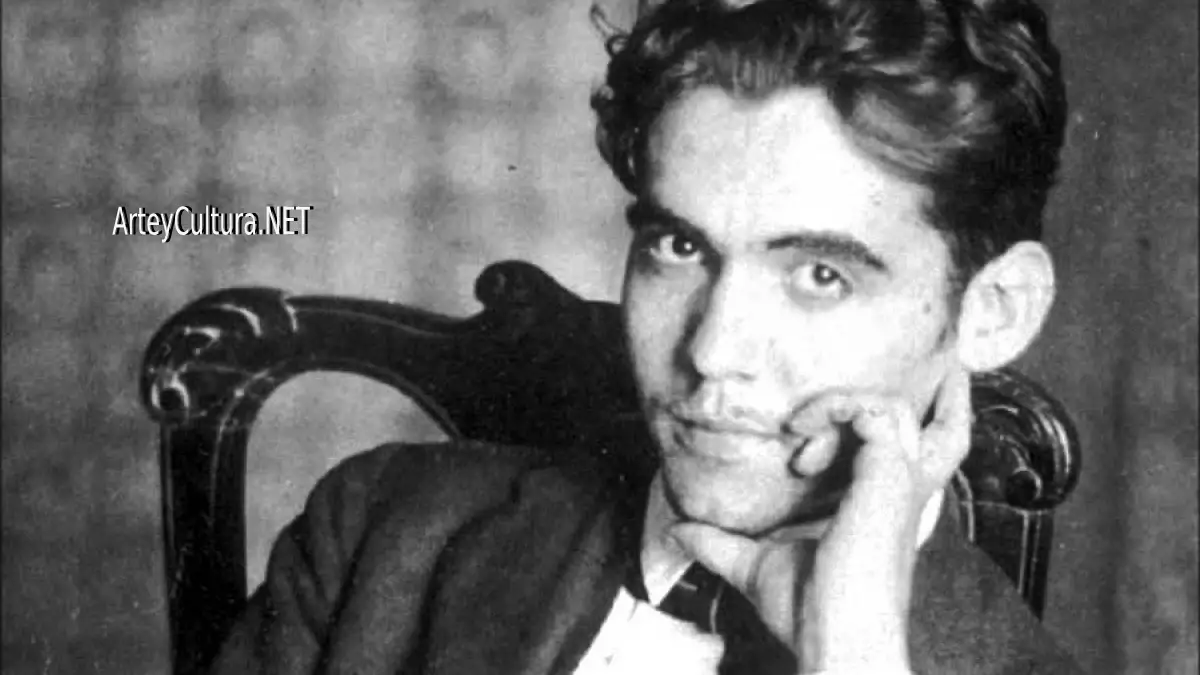
Federico Garcia Lorca was born in Fuente Vaqueros, Granada, on June 5, 1898, and was murdered near Granada in August 1936, at the beginning of the Spanish Civil War. Poet, playwright, musician and director, he joined popular tradition with avant-garde experiment.
Granada, music and Madrid
Lorca grew up amid Andalusian landscape and music, studied in Granada and moved to Madrid’s Residencia de Estudiantes. There he formed friendships with Salvador Dali, Luis Bunuel and other creators associated with the Generation of 1927.
Music remained fundamental. Rhythm, lullaby, flamenco and oral forms enter his writing as structures, not picturesque decoration.
Poetry between tradition and experiment
Gypsy Ballads brought enormous fame through condensed narratives and unforgettable imagery. Lorca resisted being confined to a folkloric identity, especially when “Gypsy” became a marketable label detached from the poems’ complexity.
After travelling to New York in 1929, he wrote the difficult, surreal sequence later published as Poet in New York. Capitalism, racial injustice, loneliness and mechanical urban life fracture the language.
A Spanish biographical journey
This Spanish-language biography connects travel, friendships and political context with the works. Biography clarifies pressures around the writing but cannot reduce its symbols to private confession.
Theatre, desire and confinement
Blood Wedding, Yerma and The House of Bernarda Alba examine communities where honour, gender and property turn desire into catastrophe. Silence, song and bodily presence are as important as dialogue.
Lorca’s homosexuality shaped a life lived under social danger and informs the recurring conflict between desire and imposed identity.
La Barraca
Under Spain’s Second Republic, Lorca directed La Barraca, a university theatre company that took classical Spanish drama to rural audiences. The project joined artistic renewal with public access.
This Spanish theatrical record demonstrates how rhythm and physical presence activate Lorca’s words beyond the printed page.
Murder and legacy
Nationalist forces arrested and killed Lorca; the precise location of his remains is still unknown. His legacy exceeds martyrdom: he transformed poetry and theatre and gave enduring form to lives constrained by fear, class and forbidden desire.