Marguerite Yourcenar: History, Consciousness and Literary Form
The transnational life, historical research, major novels and legacy of Marguerite Yourcenar, the first woman elected to the French Academy.
- Marguerite Yourcenar
- French literature
- Memoirs of Hadrian
- The Abyss
- historical fiction
- French Academy
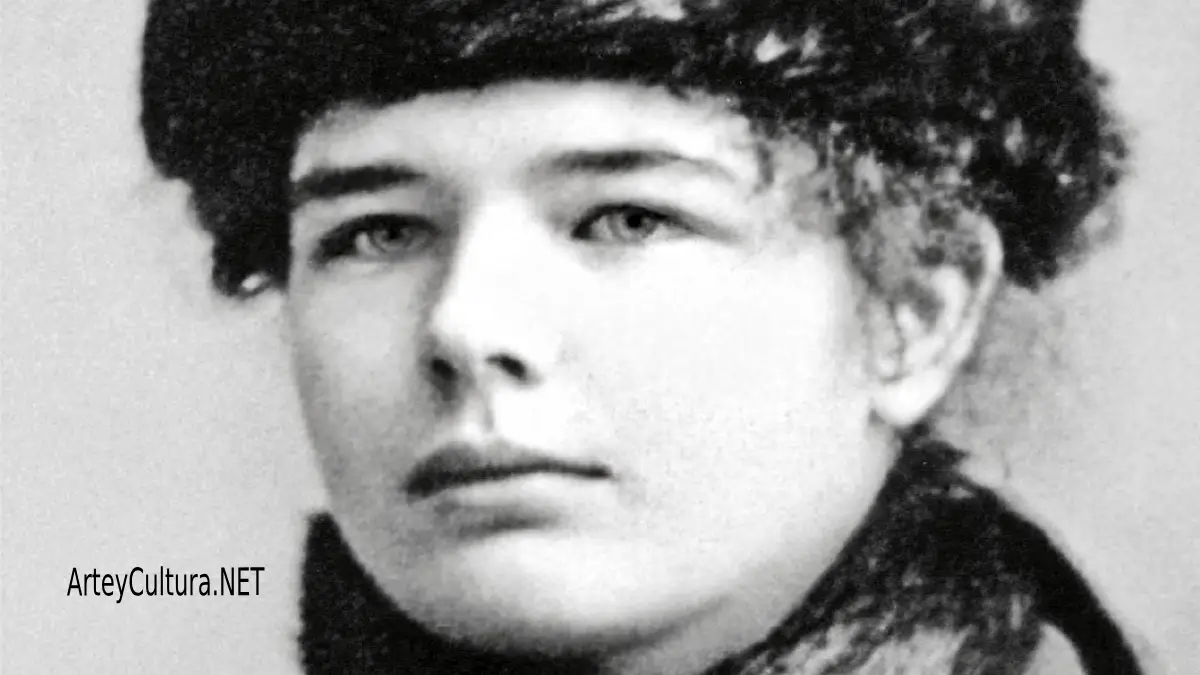
Marguerite Yourcenar, born Marguerite Cleenewerck de Crayencour, was born in Brussels on June 8, 1903, and died in Bar Harbor, Maine, on December 17, 1987. Novelist, essayist and translator, she used exacting research to imagine consciousness across historical distance.
A private classical education
Yourcenar was educated largely at home and travelled widely with her father. Greek and Latin culture, European languages and prolonged encounters with places gave her an intellectual formation outside ordinary institutions.
The pen name Yourcenar is an approximate anagram of Crayencour. It signalled an authored identity that later became her legal name.
A transatlantic life with Grace Frick
In 1939, Yourcenar settled in the United States with Grace Frick, her partner and later English translator. Their home on Mount Desert Island in Maine became her principal base.
Frick’s intellectual and practical contribution belongs to the history of the books, even though public accounts long minimised same-sex partnership.
Hearing Yourcenar think
This French-language conversation preserves her precision and measured authority. It shows a writer for whom documentation had to become lived thought rather than remain a display of learning.
Memoirs of Hadrian
Published in 1951, Memoirs of Hadrian imagines the Roman emperor writing to his successor Marcus Aurelius. Power, love, illness and mortality are examined from within a voice both intimate and historically distant.
Yourcenar researched material evidence and ancient texts, but the novel openly performs an imaginative act. Rigor defines the boundaries within which invention becomes persuasive.
The Abyss
The Abyss follows the fictional physician and thinker Zeno through sixteenth-century Europe. Religious conflict, scientific inquiry and bodily risk reveal the cost of intellectual independence.
This second French-language presentation situates Yourcenar between historical novel, essay and philosophical meditation.
Achievement and legacy
In 1980, Yourcenar became the first woman elected to the Academie francaise. Her legacy demonstrates that historical fiction can respect evidence while acknowledging the unknowable interior lives that only disciplined imagination can approach.