Augusto Roa Bastos: Power, Language and Paraguayan Memory
The war experience, exile, bilingual imagination and literary legacy of Augusto Roa Bastos, author of Son of Man and I, the Supreme.
- Augusto Roa Bastos
- Paraguayan literature
- I the Supreme
- Guarani
- Latin American fiction
- exile
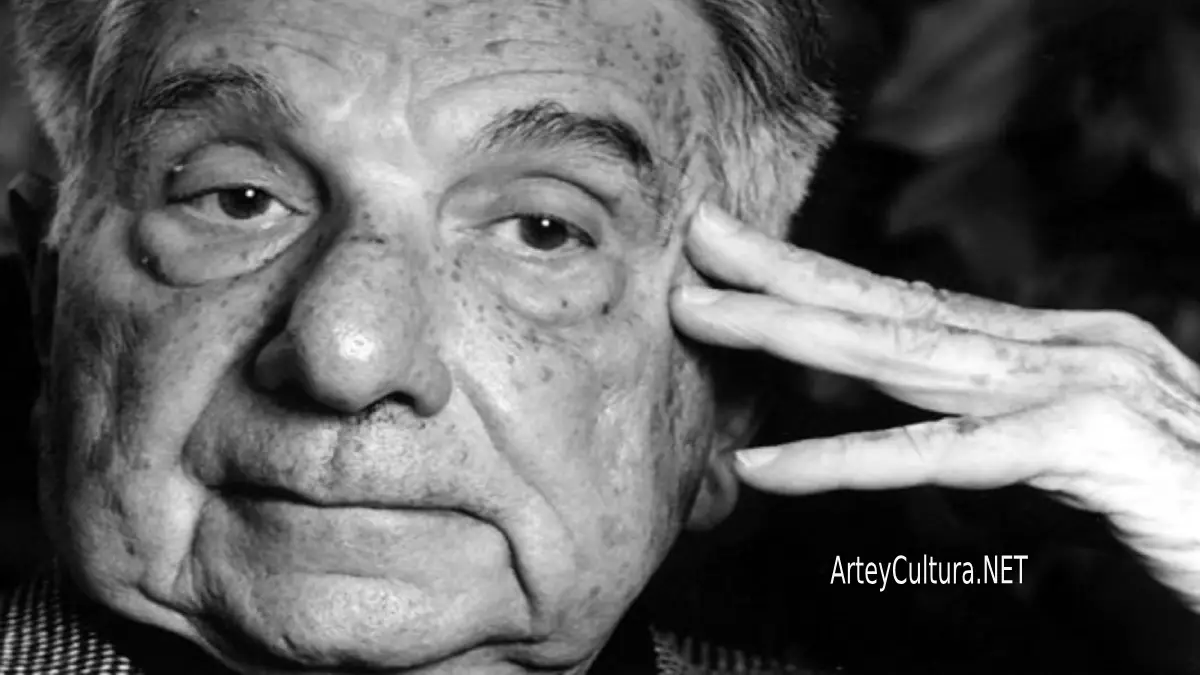
Augusto Roa Bastos was born in Asuncion on June 13, 1917, and died there on April 26, 2005. Novelist, short-story writer, journalist and screenwriter, he examined how power tries to control language and how collective memory resists that control.
Iturbe and the Chaco War
Roa Bastos spent formative childhood years in Iturbe, where Spanish and Guarani coexisted. As a teenager he served in a support role during the Chaco War between Paraguay and Bolivia.
War exposed the distance between official patriotic language and bodily suffering. That tension later entered fiction through competing voices rather than simple historical reconstruction.
Journalism and exile
He worked in the Paraguayan press, but the civil war of 1947 forced him into exile in Argentina. Political upheaval later took him to France, where he taught and continued writing.
Exile became a method of seeing Paraguay from distance without escaping its history. His prose carries the rhythms and worldview of Guarani even when written primarily in Spanish.
Listening to Roa Bastos
This Spanish-language interview allows the writer to discuss Paraguay, bilingualism and displacement. His testimony provides context, though the novels transform experience beyond direct autobiography.
Son of Man
Hijo de hombre interweaves episodes of oppression, rebellion and sacrifice. Fragmented chronology and several narrators prevent national history from becoming one authoritative account.
The novel presents memory as collective labour. Stories survive because people repeat, alter and contest them.
I, the Supreme
Yo el Supremo reconstructs the voice of nineteenth-century ruler Jose Gaspar Rodriguez de Francia through decrees, marginal notes, invented documents and contradictions. The dictator tries to author the nation but cannot fully control the text that bears his voice.
This Spanish analysis introduces the novel’s polyphonic design. It clarifies why the book is not merely a biographical portrait but an experiment in dismantling authoritarian language from within.
Achievement and legacy
Roa Bastos received the Cervantes Prize in 1989. His legacy joins formal invention with Paraguayan historical memory and shows that bilingual culture can reshape the deepest structures of a novel.