Vinicius de Moraes: Poetry, Song and the Birth of Bossa Nova
The poetry, diplomacy, collaborations and musical legacy of Vinicius de Moraes, whose words helped define bossa nova and modern Brazilian song.
- Vinicius de Moraes
- bossa nova
- Brazilian poetry
- Tom Jobim
- Afro-sambas
- Brazilian music
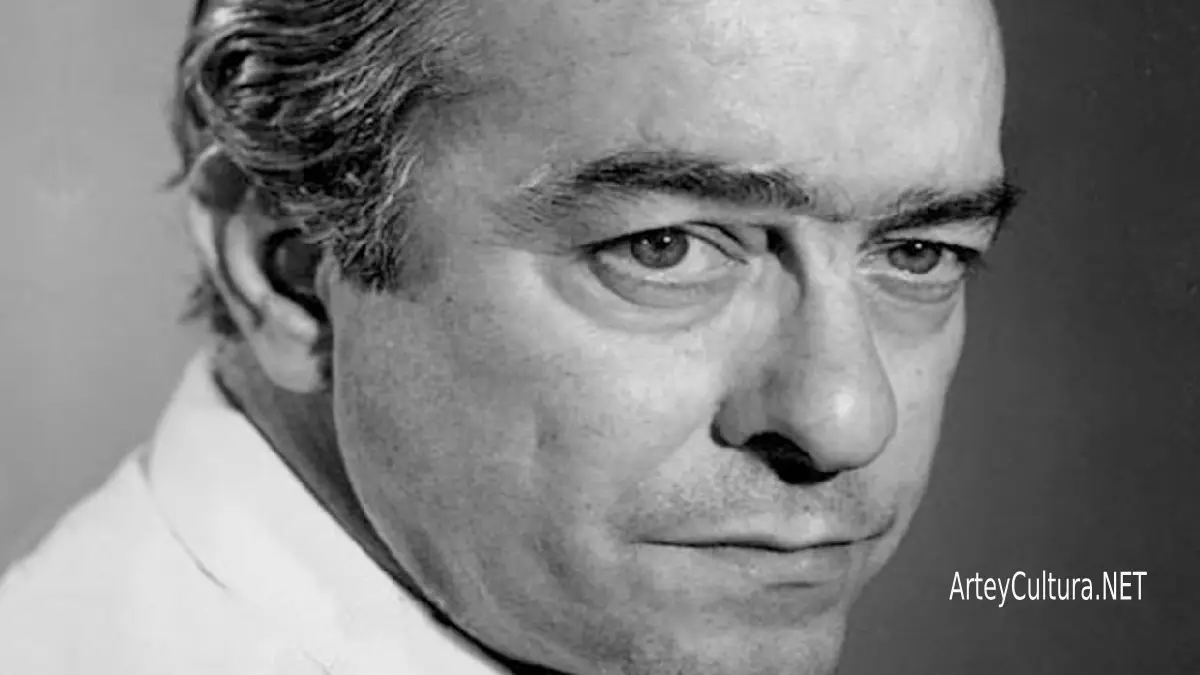
Marcus Vinicius da Cruz e Mello Moraes was born in Rio de Janeiro on October 19, 1913, and died there on July 9, 1980. Poet, diplomat, playwright and lyricist, he brought literary craft into everyday song without making language sound remote from conversation.
From poetry to diplomacy
Vinicius published poetry while young and entered Brazil’s diplomatic service. Early religious and metaphysical concerns gradually gave way to a warmer voice attentive to love, body, friendship and ordinary urban life.
His diplomatic career took him abroad, but music increasingly became his central public language. After Brazil’s military dictatorship removed him from the foreign service in 1969, performance and collaboration acquired still greater importance.
Orfeu da Conceicao
Vinicius relocated the myth of Orpheus to a Rio favela in the play Orfeu da Conceicao. Working with Antonio Carlos Jobim on its music began one of Brazilian culture’s defining partnerships.
The project later contributed to the film Black Orpheus, though the international film’s treatment of Brazilian life has generated important critical debate.
Poetry becomes song
This Portuguese-language performance shows the balance of words, melody and harmony central to Vinicius’s collaborations. Intimacy depends on careful rhythmic placement, not informality alone.
Jobim, bossa nova and global circulation
With Jobim, he wrote Chega de Saudade and Garota de Ipanema. Joao Gilberto’s guitar and vocal approach helped establish the sound later identified internationally as bossa nova.
Translations carried the songs worldwide, but Portuguese versions preserve internal rhyme and cadence that cannot pass unchanged into another language.
Baden Powell and the Afro-sambas
His work with guitarist Baden Powell produced the Afro-sambas, drawing on Afro-Brazilian religious and musical traditions. Their historical importance should be heard alongside the cultural sources from which the composers learned.
This Portuguese record captures the intimate mixture of recital, conversation and song associated with Vinicius’s later performances.
Legacy
Vinicius joined literature and popular music so completely that separating “poet” from “lyricist” weakens both. His legacy lives wherever sophisticated language enters a song with the ease of speech shared across a table.