Ringo Starr: Rhythm, Songs and a Collaborative Life After the Beatles
The Liverpool childhood, drumming style, Beatles recordings, solo career and legacy of Ringo Starr, whose musical economy helped define the sound of a historic band.
- Ringo Starr
- The Beatles
- rock drumming
- Liverpool music
- All-Starr Band
- popular music
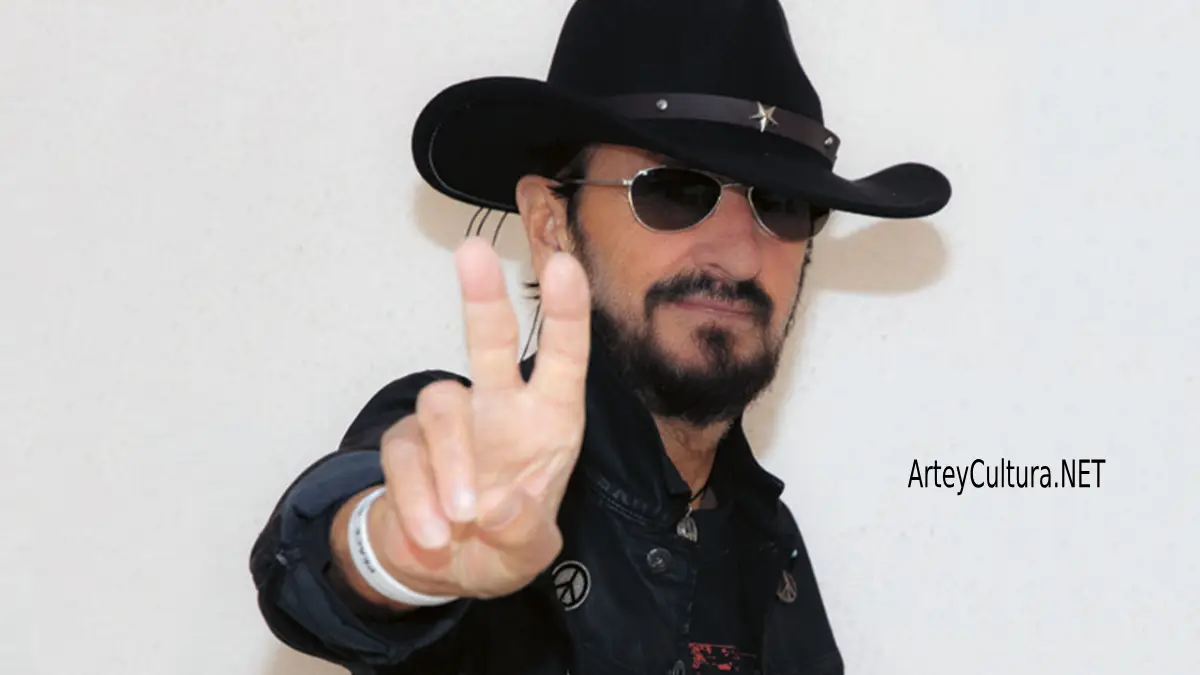
Richard Starkey, known as Ringo Starr, was born in Liverpool on July 7, 1940. Drummer, singer, songwriter and actor, he gave the Beatles a flexible rhythmic identity and later built a solo career centred on collaboration.
Illness, interrupted schooling and music
Serious childhood illnesses kept Starkey away from school for long periods. Music offered both community and practical direction, and the skiffle boom encouraged him to begin drumming.
He became a prominent Liverpool musician with Rory Storm and the Hurricanes. The stage name combined his fondness for rings with a shortened version of Starr, while “Starr Time” introduced his featured vocal numbers.
Joining the Beatles
Ringo replaced Pete Best in August 1962, shortly before the group’s recording career accelerated. His arrival brought professional club experience and a personality compatible with the ensemble’s demanding pace.
The change initially caused controversy among some fans, but the musical relationship soon became fundamental. A drummer in a song-focused band must shape form, not merely demonstrate speed.
“Boys” with the All-Starr Band
This English live performance revisits one of Ringo’s early Beatles vocals. The All-Starr format surrounds him with established musicians, reflecting a career-long preference for shared stage energy.
A distinctive drumming language
Ringo’s left-handed preference on a right-handed kit contributed to unusual fills. Careful tuning, deep tom sounds and an instinct for leaving space gave recordings an immediately recognisable character.
Tracks such as Rain, Come Together and A Day in the Life demonstrate different solutions. He follows vocal phrasing and arrangement, making memorable parts whose difficulty lies in placement and feel rather than constant display.
Singer and songwriter
Within the Beatles he sang With a Little Help from My Friends and Yellow Submarine and wrote Don’t Pass Me By and Octopus’s Garden. His approachable vocal personality gave the albums a contrasting centre.
After the breakup, solo hits included It Don’t Come Easy, Photograph and You’re Sixteen. He also acted and narrated children’s television.
Explaining famous drum parts
In this English demonstration, Ringo discusses patterns associated with Ticket to Ride, Come Together and Back Off Boogaloo. Hearing the creator isolate them reveals how economical decisions produce identity.
Achievements and legacy
Ringo entered the Rock and Roll Hall of Fame with the Beatles and as a solo artist. His legacy corrects a persistent misconception: serving the song is not the absence of technique, but one of its most demanding forms.