Facundo Cabral: Song, Storytelling and a Life on the Road
The difficult childhood, songs, spoken performance, peace advocacy and legacy of Argentine singer-songwriter and storyteller Facundo Cabral.
- Facundo Cabral
- Argentine music
- Latin American song
- No soy de aqui
- storytelling
- peace
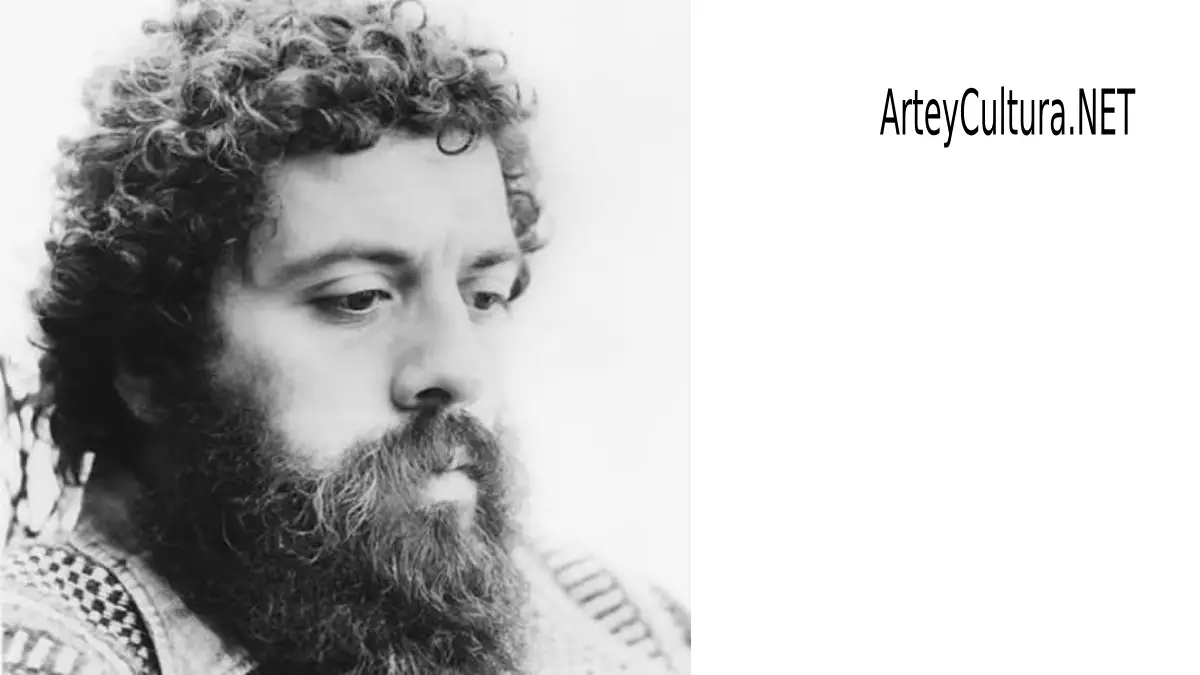
Facundo Cabral was born in La Plata, Argentina, on May 22, 1937, and was murdered in Guatemala City on July 9, 2011. Singer-songwriter, poet and storyteller, he made concerts into conversations where music, humour, reading and reflections on freedom shared the stage.
Poverty, displacement and self-education
Cabral’s childhood was marked by poverty, family instability and movement across Argentina. He later recounted episodes from those years as part of his public mythology, sometimes with details that are difficult to document independently.
What is clear is that he became an avid self-educator. Literature, spiritual traditions and street experience supplied references that he reorganised in an accessible oral style.
From Indio Gasparino to Facundo Cabral
He first performed under the name El Indio Gasparino, then adopted his own name and developed a repertory centred increasingly on words. Guitar accompaniment could be simple because the decisive movement occurred in phrasing and narrative.
No soy de aqui ni soy de alla became his best-known song and was recorded by artists in several languages. Its traveller rejects fixed possessions and identities without pretending that rootlessness has no cost.
A signature song live
This Spanish-language live performance shows how Cabral turns a familiar song into collective conversation. Pauses, spoken transitions and audience response are part of the composition rather than interruptions.
The concert as spoken art
Cabral connected anecdotes, aphorisms, jokes and quotations with songs. The mixture could inspire audiences because it avoided academic distance, though memorable sayings attributed to him should not automatically be treated as verified authorship.
He toured widely and performed with Alberto Cortez, creating programmes in which two distinct song traditions met through shared attention to language.
Peace, exile and contradiction
Political violence and dictatorship formed the background to part of his travelling life. His public message emphasised personal responsibility, nonviolence and freedom from resentment.
UNESCO designated him a Messenger of Peace in 1996. The honour reflected his public role, while the songs remain the strongest evidence of how that message functioned artistically.
A long-form interview
This Spanish interview with Jaime Bayly preserves Cabral’s gift for turning memory into performance. It also invites critical listening: charisma shapes autobiography, and a compelling story is not always a literal record.
Death and legacy
Gunmen attacked the vehicle carrying Cabral to Guatemala’s airport; investigators concluded that another passenger was the intended target. His violent death stood in painful contrast to his advocacy of coexistence.
His legacy lies in restoring oral storytelling to the centre of the singer-songwriter’s stage. For Cabral, a song was never isolated from the life, joke or question that made an audience ready to hear it.