Rembrandt: Light, Humanity and the Art of Self-Portraiture
The life, paintings, etchings, workshop and legacy of Rembrandt van Rijn, whose light and tactile brushwork gave biblical history and individual faces profound presence.
- Rembrandt
- Dutch Golden Age
- self-portrait
- etching
- The Night Watch
- Baroque painting

Rembrandt Harmenszoon van Rijn was born in Leiden on July 15, 1606, and died in Amsterdam on October 4, 1669. Painter, draughtsman and printmaker, he joined dramatic light with a sustained interest in age, vulnerability and the moral complexity of human action.
Leiden and early ambition
Rembrandt trained with Jacob van Swanenburg and spent a formative period with history painter Pieter Lastman in Amsterdam. Early biblical scenes reveal intense expressions, theatrical lighting and an ambition to represent decisive emotional moments.
After moving permanently to Amsterdam, he became a successful portraitist. The Anatomy Lesson of Dr Nicolaes Tulp demonstrated his ability to turn a group commission into a coherent event.
Workshop, marriage and collecting
Rembrandt married Saskia van Uylenburgh in 1634. Their household experienced professional prosperity and devastating family losses; only their son Titus survived infancy.
He directed a busy workshop with pupils and assistants and collected art, costumes, weapons and natural objects. Modern scholarship carefully distinguishes works by Rembrandt from those produced within this collaborative environment.
Tragedy, genius and light
This full English documentary connects biography with paintings and prints. Its broad survey is useful, provided that personal tragedy is not treated as a simple key explaining every change in style.
Light as thought
Rembrandt’s chiaroscuro does more than stage spectacle. Illumination directs attention, withholds information and creates relationships between people. In biblical scenes, revelation often occurs through the way one face or hand emerges from darkness.
His later brushwork became increasingly tactile and open. Thick highlights, scraped passages and thin glazes resolve into form at a distance while preserving the material history of painting up close.
The Night Watch and public portraiture
The painting popularly called The Night Watch is a militia company portrait organised as action rather than a static row of faces. Light and movement establish hierarchy, although later trimming changed the original composition.
Rembrandt also transformed etching through revisions, unusual papers and shifts in ink. Prints circulated his work far beyond individual painted commissions.
Why The Night Watch matters
This Rijksmuseum presentation examines why The Night Watch became so famous. Its close attention to movement, light and the organisation of the civic guard connects the painting’s public reputation to visible artistic decisions.
Self-portraits and legacy
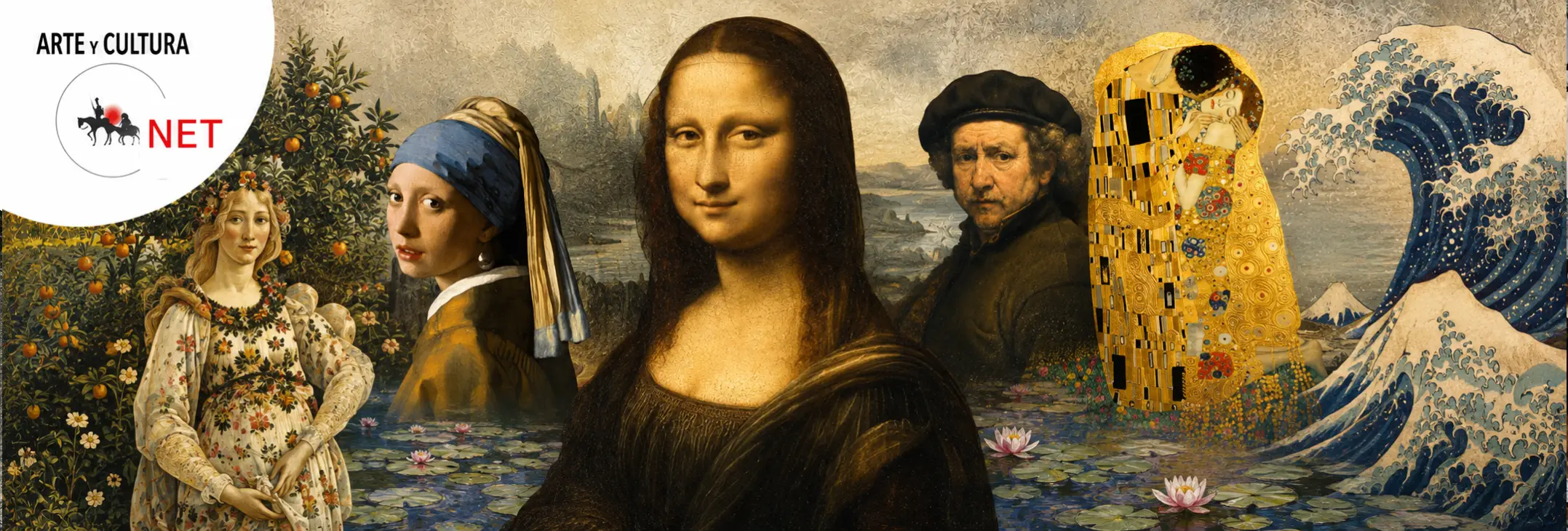
Rembrandt represented himself across roughly four decades in drawings, prints and paintings. Together they form no simple diary, but an unparalleled investigation of role, ageing and artistic identity.
His influence reaches Goya, Van Gogh and many modern painters. The legacy lies in technical invention joined to ethical attention: grandeur and frailty can occupy the same human face.