Guarania: The Slow Pulse of Paraguayan Identity
The creation, musical character, key songs and cultural legacy of guarania, the Paraguayan genre developed by Jose Asuncion Flores in the 1920s.
- guarania
- Jose Asuncion Flores
- Paraguayan music
- Guarani language
- Latin American music
- intangible heritage
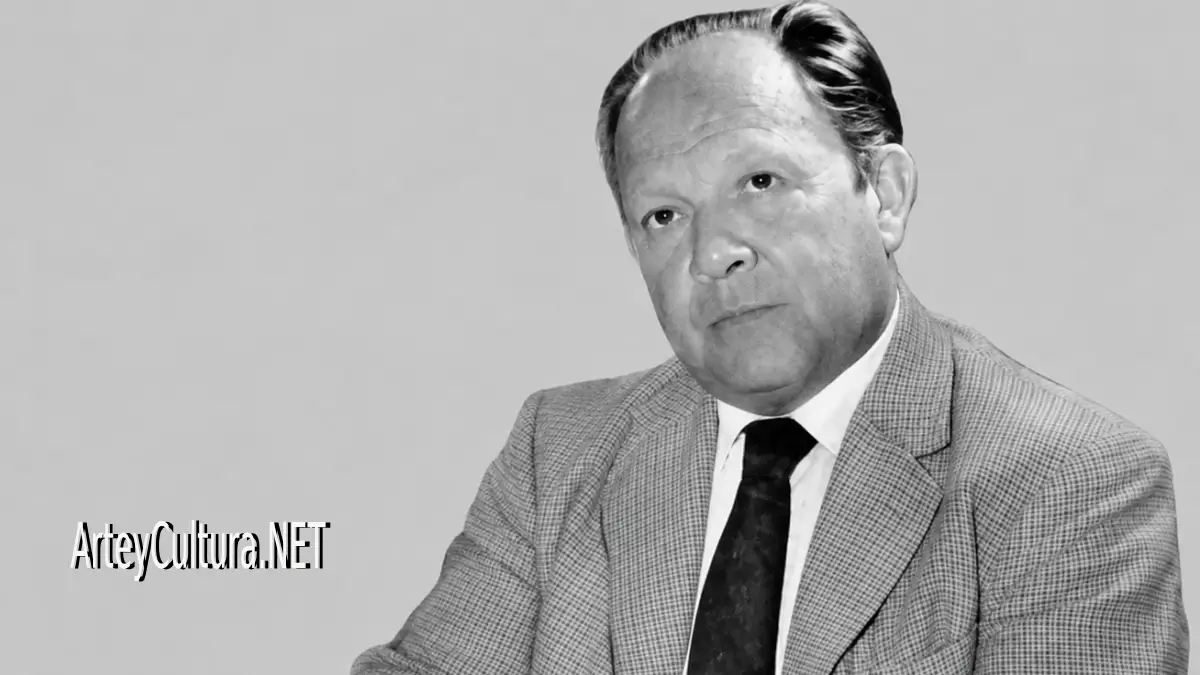
Guarania is a Paraguayan musical genre developed by composer Jose Asuncion Flores during the 1920s. Its broad melody and measured pulse created a new way to express longing, landscape, love and collective consciousness.
A new rhythm in 1920s Paraguay
Flores was born in Asuncion in 1904 and trained within the police band. Experimenting with familiar Paraguayan materials, he sought a slower form able to carry emotions that the quicker Paraguayan polka treated differently.
Jejui, associated with 1925, is commonly identified among the first guaranias. The genre emerged through arrangement and performance rather than through a single abstract declaration.
Poetry and Manuel Ortiz Guerrero
Collaboration with poet Manuel Ortiz Guerrero was decisive. Songs such as Nde rendape aju and India joined melodic invention with texts capable of linking intimate feeling to language and place.
Guarani is not an exotic colour added to the music. Its sound, rhythm and cultural memory participate in the identity of the genre.
Hearing Nde rendape aju
This musical performance in Guarani is treated as language-neutral because it offers no explanatory narration. Sustained phrases and a gently moving accompaniment reveal how guarania gives both voice and listener time to inhabit each melodic turn.
Musical characteristics
Compared with the lively Paraguayan polka, guarania usually moves more slowly and contemplatively. Guitar, Paraguayan harp, voice and orchestra have all carried it, producing many colours without eliminating its recognisable emotional pace.
Melancholy is central but not passive. The genre can hold social awareness, dignity and attachment to homeland, making personal longing part of a larger cultural experience.
Exile, circulation and survival
Flores’s political commitments led to long periods outside Paraguay. Guarania nevertheless spread through recordings and performance across the region. Works by other composers and interpreters ensured that it became a living genre rather than the property of one biography.
Its survival depends on variation. Each singer or ensemble changes accents, tempo and instrumentation while negotiating the language established by Flores.
One hundred years of guarania
This Spanish-language Paraguayan documentary places Flores within the genre’s first century. Archival material clarifies the connection between musical innovation, national history and cultural recognition.
Heritage and transcendence
In 2024, UNESCO inscribed guarania on the Representative List of the Intangible Cultural Heritage of Humanity. Its transcendence lies not in becoming a museum relic, but in remaining a shared Paraguayan practice through which new performers continue to shape memory.