El Condor Pasa: From Peruvian Zarzuela to a Global Melody
The 1913 origin, Andean sources, international adaptations and cultural legacy of El Condor Pasa by Peruvian composer Daniel Alomia Robles.
- El Condor Pasa
- Daniel Alomia Robles
- Peruvian music
- Andean music
- zarzuela
- Simon and Garfunkel
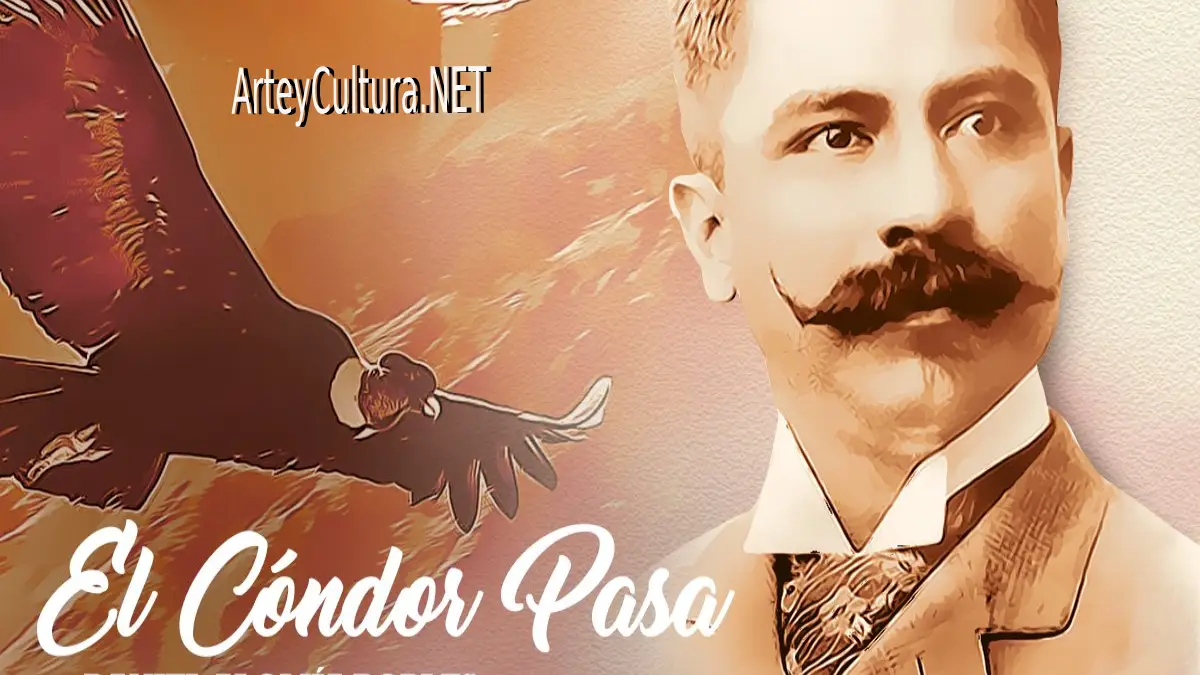
El Condor Pasa began as part of a Peruvian zarzuela premiered at Lima’s Teatro Mazzi on December 19, 1913. Its music was composed by Daniel Alomia Robles, with a Spanish libretto by Julio Baudouin, writing under the name Julio de La Paz.
A theatrical work before a global song
The original work was not simply an isolated instrumental melody. Its dramatic setting concerns exploitation in an Andean mining community, conflict between workers and foreign owners, and the hope of freedom symbolised by the condor.
Remembering the zarzuela restores social and narrative meaning often lost when only its celebrated final melody is performed.
Daniel Alomia Robles and Andean research
Alomia Robles was born in Huanuco in 1871 and died in Lima in 1942. He travelled widely, collected musical material and sought ways to bring Andean traditions into staged and notated composition.
El Condor Pasa therefore belongs to a long process of listening, adaptation and cultural mediation. It combines academic procedures with melodic and rhythmic inspiration drawn from the Andes.
The melody in chamber form
This language-neutral instrumental performance by the Kinsa Trio uses clarinet, cello and piano. The unusual ensemble makes it possible to hear how the melody retains its identity when transferred beyond familiar Andean instruments.
From theatre to recorded circulation
Musicians separated and rearranged sections of the score as the work travelled. Different versions altered instrumentation, tempo, sequence and text. Andean ensembles sustained its circulation long before international popular music made it a worldwide standard.
In 1970, Simon & Garfunkel recorded an English-language version using an arrangement associated with the group Los Incas. The success vastly enlarged the audience, but confusion over authorship also made recognition of Alomia Robles essential.
An Andean concert interpretation
This second language-neutral performance places the composition within an Andean concert tradition. Comparing it with the chamber version reveals how timbre and phrasing can change while the melodic profile remains immediately recognisable.
Cultural heritage and authorship
Peru declared the original work part of the nation’s Cultural Heritage in 2004. That recognition honours the composition and protects the historical memory surrounding it.
Calling the melody “traditional” without qualification can erase a documented creator. At the same time, acknowledging authorship need not deny the communities and musicians whose reinterpretations gave the work its extraordinary life.
Achievements and lasting significance
- It carries the social drama of a 1913 Peruvian zarzuela into modern listening.
- It became one of Latin America’s most widely recognised melodies.
- Its many arrangements demonstrate the creative mobility of Andean music.
- Its history offers a lesson about cultural exchange, attribution and memory.
The transcendence of El Condor Pasa lies in transformation rather than immobility. Each version opens a new path, while the name of Daniel Alomia Robles and the Peruvian work at its origin must remain clearly audible.