Bruce Lee: Martial Arts, Cinema and a Philosophy of Movement
The life, films, training principles and cultural legacy of Bruce Lee, the actor and martial artist who transformed action cinema and global perceptions of Asian masculinity.
- Bruce Lee
- martial arts
- Jeet Kune Do
- Hong Kong cinema
- action cinema
- Chinese American culture
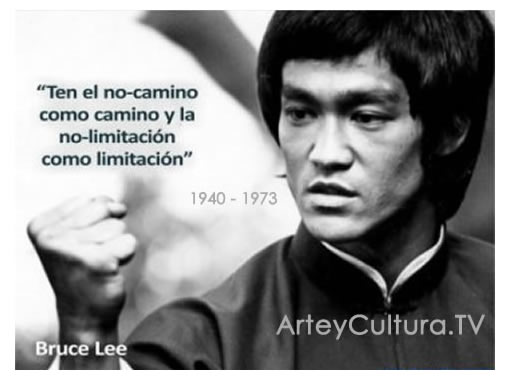
Lee Jun-fan, known worldwide as Bruce Lee, was born in San Francisco on November 27, 1940, and died in Hong Kong on July 20, 1973. In only 32 years, he became an actor, director, teacher and martial-arts thinker whose influence reached far beyond the screen.
Childhood between San Francisco and Hong Kong
Lee was born while his parents were touring the United States with a Cantonese opera company. He grew up in Hong Kong and appeared in films as a child actor. As a teenager he studied Wing Chun with the circle of master Ip Man, while also gaining experience in boxing, dance and physical conditioning.
After repeated street fights and family concerns, he returned to the United States in 1959. He completed his secondary education, attended the University of Washington and began teaching martial arts in Seattle.
Training beyond fixed styles
Lee studied many fighting systems rather than treating one tradition as complete. He examined footwork, timing, fencing, boxing, strength training and nutrition. His approach eventually became known as Jeet Kune Do, usually translated as “the way of the intercepting fist.”
It was less a closed catalogue of techniques than a method of inquiry: remove unnecessary movement, adapt to circumstances and test ideas honestly. His famous invitation to “be water” expresses flexibility, but it does not mean training without discipline.
Bruce Lee explains his martial identity
This English-language television interview from 1965 preserves an early explanation of kung fu in Lee’s own words and records the barriers he faced as an Asian actor in American television. Its value lies in hearing him articulate his ideas before international stardom.
From Kato to international stardom
American viewers first knew Lee widely as Kato in The Green Hornet. Frustrated by limited roles for Asian actors, he returned to Hong Kong and starred in The Big Boss, Fist of Fury and The Way of the Dragon, which he also wrote and directed.
Enter the Dragon joined Hong Kong talent with a Hollywood production and made him a global icon shortly after his death. His characters carried intelligence, discipline and authority at a time when Western entertainment commonly reduced Asian men to stereotypes.
“Be water”: thought behind the action
This English excerpt preserves Lee’s best-known explanation of adaptability. The metaphor connects martial practice with a broader philosophy: a capable person can remain responsive without losing purpose or structure.
Death and unanswered myths
Lee died from cerebral oedema associated with a reaction to the painkiller Equagesic. The sudden loss produced decades of speculation, but the documented medical finding is more reliable than the many legends attached to his death.
Achievements and legacy
- He opened martial-arts teaching to students from different backgrounds.
- He reshaped action choreography through speed, clarity and expressive physical performance.
- He challenged limiting representations of Asian identity in international cinema.
- His training ideas anticipated later interest in cross-disciplinary martial arts.
Bruce Lee’s legacy rests not only on extraordinary physical ability. He treated movement as a form of thought and used popular cinema to change who could appear as a modern, charismatic hero.