Martin Scorsese: Cinema, Memory and Preservation
The films, methods and preservation work of Martin Scorsese, a central American director whose cinema examines guilt, faith, violence and ambition.
- Martin Scorsese
- American cinema
- Taxi Driver
- Raging Bull
- Goodfellas
- film preservation
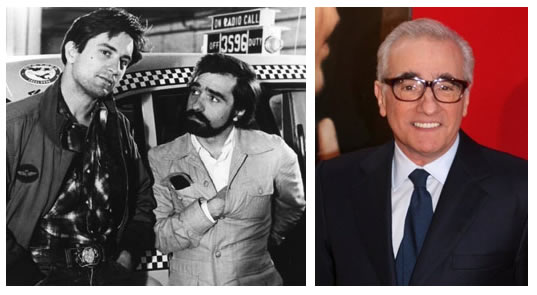
Martin Charles Scorsese was born in New York City on November 17, 1942. Director, screenwriter, producer and film historian, he has spent more than five decades examining guilt, violence, belief, performance and the unstable stories people tell about themselves.
Little Italy and film education
Scorsese grew up in an Italian American family and, because of asthma, often observed street life from windows or cinemas rather than through sport. Catholic ritual, neighbourhood codes and moving images became interconnected sources of imagination.
He studied film at New York University, where short works developed rapid editing, subjective camera and an intense relationship between music and image. Italian Neorealism, the French New Wave, Hollywood genre cinema and independent New York production all informed his early language.
New York as moral territory
Mean Streets, Taxi Driver and Raging Bull place damaged men inside worlds of belonging and self-punishment. The camera does not simply record violence; movement, colour, slow motion and popular songs bring viewers dangerously close to distorted perception.
Goodfellas displays the seduction of criminal life before exposing its paranoia and betrayal. Admiration of technique should not be confused with endorsement of the characters’ values.
Scorsese on filmmaking
This English interview lets Scorsese connect personal memory with documentary and fiction. His practice as a director is inseparable from his activity as a spectator who continually revisits film history.
Beyond crime cinema
His range includes The Age of Innocence, Kundun, Hugo, Silence and music documentaries. Faith, sacrifice and the tension between spiritual vocation and worldly power recur even when genre and historical period change.
In Killers of the Flower Moon, Scorsese addressed murders committed against members of the Osage Nation. The film’s production and reception also renewed debate about who tells Indigenous history and how collaboration should shape authorship.
Visual literacy
In this English presentation, Scorsese argues that young people should learn to read moving images critically. Framing, editing and sound are not decoration; they determine what a film allows viewers to see, feel and overlook.
Awards and preservation
Scorsese won the Academy Award for directing The Departed (2006). Recognition arrived after decades of influential work, but preservation may be his broader institutional achievement.
He founded The Film Foundation in 1990 and the World Cinema Project in 2007. These initiatives support restoration and access for films endangered by decay, neglect or limited commercial visibility.
Achievements and legacy
- He expanded the expressive relationship among camera movement, editing and recorded music.
- His films created complex studies of masculinity, guilt, faith and institutional violence.
- He brought sustained attention to global film history through documentaries and advocacy.
- His preservation organisations helped save and circulate cinema from many countries.
Scorsese’s legacy joins creation with memory. He makes films while defending the material history that allowed him—and future filmmakers—to learn how cinema thinks.