Chespirito: Writing, Characters and Latin American Television Comedy
The life and legacy of Roberto Gómez Bolaños, creator of El Chavo del Ocho and El Chapulín Colorado, and a defining author of Latin American television.
- Chespirito
- Roberto Gómez Bolaños
- El Chavo del Ocho
- El Chapulín Colorado
- Mexican television
- Latin American comedy
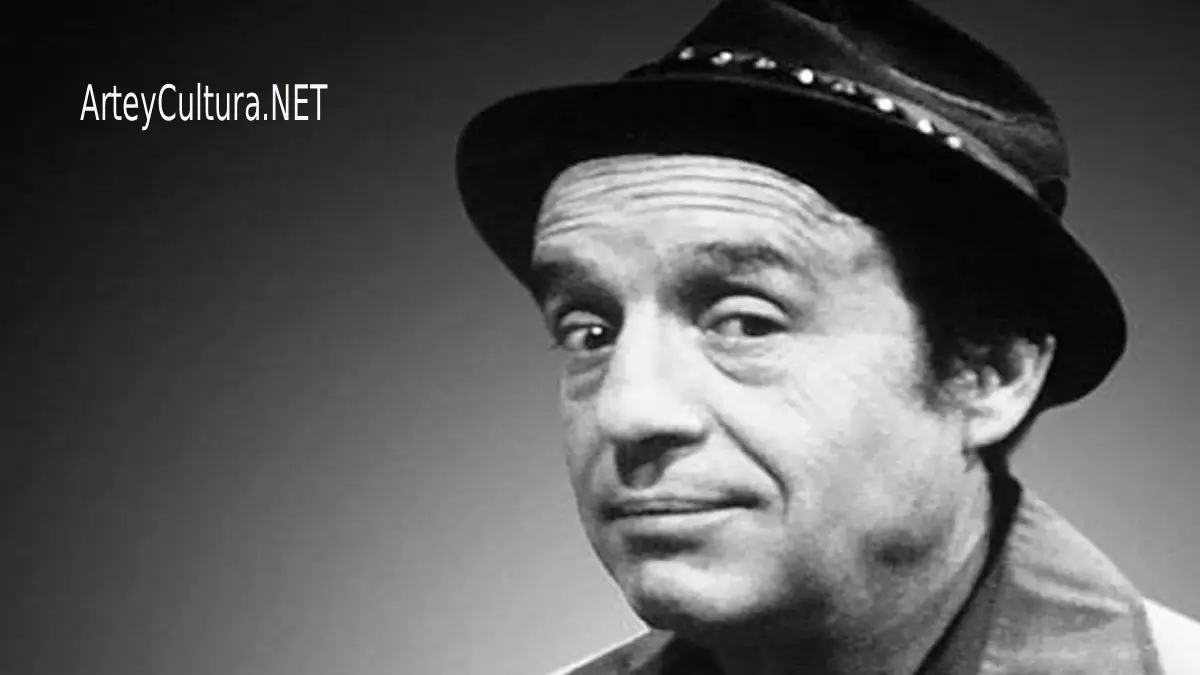
Roberto Gómez Bolaños, known as Chespirito, was born in Mexico City on February 21, 1929, and died in Cancún on November 28, 2014. Writer, actor, director, producer and composer, he created comic characters that became shared cultural references across Latin America.
The writer before the performer
Gómez Bolaños studied engineering but built his career in advertising and scriptwriting for radio, cinema and television. The nickname Chespirito, meaning little Shakespeare, referred to his compact stature and remarkable speed in constructing plots and dialogue.
This background matters because the programmes depend on repetition designed with precision. A phrase returns at the correct moment, one misunderstanding triggers another, and physical movement completes a verbal rhythm.
El Chapulin Colorado
The red-costumed Chapulín parodied the invulnerable superhero. He was frightened, clumsy and often arrived without a plan, yet persistence gave him an unusual courage. The joke works because bravery becomes action despite fear rather than absence of fear.
Catchphrases and simple props created a portable format capable of parodying westerns, horror, history and domestic melodrama with limited scenery.
The creator in conversation
This Spanish interview is retained because no comparable English source exists. Gómez Bolaños discusses memories and working decisions in the language whose timing gave his comedy much of its identity.
El Chavo del Ocho
The courtyard brought together El Chavo, Quico, Chilindrina, Don Ramón, Doña Florinda, Professor Jirafales and Señor Barriga. Under slapstick and repeated misunderstandings lie poverty, hunger, authority, exclusion and the desire to belong.
The programme rarely developed those issues as realism. It transformed them into cyclical comedy suitable for family audiences. That accessibility explains part of its reach, but it also requires present-day discussion of violence, class caricature and stereotypes treated casually in its era.
An international television phenomenon
In this Spanish archival testimony, Chespirito recalls decisions in his television career. The material helps explain how he managed characters that had become both creative works and valuable commercial properties.
Ensemble, authorship and conflict
The achievement was collective. Ramón Valdés, María Antonieta de las Nieves, Carlos Villagrán, Florinda Meza, Rubén Aguirre and other performers gave timing and emotional specificity to written types.
Disputes over character ownership, departures and later public statements reveal tensions behind the familiar ensemble. Chespirito’s political associations and the circulation of programmes under authoritarian governments have also generated debate, although broadcast popularity does not by itself prove endorsement of a regime.
Achievements and legacy
- He created characters understood across national and generational borders.
- His scripts made repetition and catchphrase into complex comic architecture.
- Mexican television became a shared Latin American cultural space through global syndication.
- His work remains popular while inviting critical review of its period stereotypes and production history.
Chespirito’s legacy is both intimate and continental. Viewers remember lines as part of family life, yet the durability of that affection makes serious examination—not automatic nostalgia—the most valuable form of tribute.