Augusto Polo Campos: Memory and Emotion in Peruvian Song
The life, songs and legacy of Augusto Polo Campos, the prolific composer whose waltzes became part of Peru's emotional and collective memory.
- Augusto Polo Campos
- Peruvian music
- criollo music
- Contigo Peru
- Peruvian waltz
- songwriter
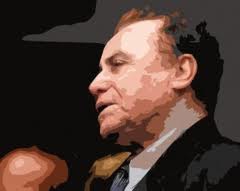
Augusto Armando Polo Campos was born in Puquio, Ayacucho, on February 25, 1932, and died in Lima on January 17, 2018. One of the most popular composers of Peruvian criollo music, he wrote songs in which romantic confession and national belonging became immediately memorable.
From Puquio to the capital
His early life connected Andean and coastal experiences that later informed a broad sense of Peru. Largely self-taught as a songwriter, he found decisive outlets in radio, popular performance and the network of criollo singers and guitarists in Lima.
Polo Campos understood the direct emotional power of a concise phrase. His songs are designed to be sung collectively, yet their strongest images often emerge from an intimate speaking voice.
Songs that entered memory
His catalogue includes Cuando llora mi guitarra, Regresa, Carino malo, Y se llama Peru and Contigo Peru. Major interpreters including Arturo Zambo Cavero, Oscar Aviles, Lucha Reyes and Lucia de la Cruz gave those compositions distinct vocal lives.
Authorship and interpretation are inseparable in this tradition. A song becomes culturally durable when performers reshape its phrasing without dissolving the composer’s melodic and verbal identity.
Cuando llora mi guitarra
This Spanish-language tribute is retained because no comparable English material exists. The guitar becomes both accompanist and character, extending grief beyond what the human voice can state directly.
Love, theatricality and contradiction
Polo Campos could transform personal emotion into public drama with great economy. That immediacy sometimes risks sentimentality, but at its best the song’s formal balance prevents feeling from becoming shapeless.
His public persona and personal relationships also generated controversy. A critical legacy should distinguish admiration for the repertoire from unquestioning celebration of the celebrity around it.
National song and collective performance
This Spanish archival recording shows Polo Campos within the performative world of criollo music. Voice, spoken introduction and communal atmosphere reveal how songs circulate socially rather than existing only as written compositions.
Contigo Peru acquired exceptional collective force in ceremonies, family gatherings and sporting celebrations. Written for a particular commission, it eventually exceeded that origin and became an unofficial national anthem for many listeners.
Achievements and legacy
- He created a large repertory interpreted by leading Peruvian voices.
- He joined romantic narrative with powerful melodic accessibility.
- His patriotic songs became shared rituals of national belonging.
- His work connected Andean origin, coastal criollo practice and mass media.
Polo Campos’s legacy survives because his songs no longer belong only to their author. Peruvians continue to use them to remember, mourn, celebrate and imagine themselves as a community.