Robert Doisneau: Everyday Poetry in the Streets of Paris
The life, photographs and legacy of Robert Doisneau, a leading French humanist photographer whose Paris combined observation, humour and careful staging.
- Robert Doisneau
- French photography
- humanist photography
- Paris
- The Kiss by the Hotel de Ville
- street photography
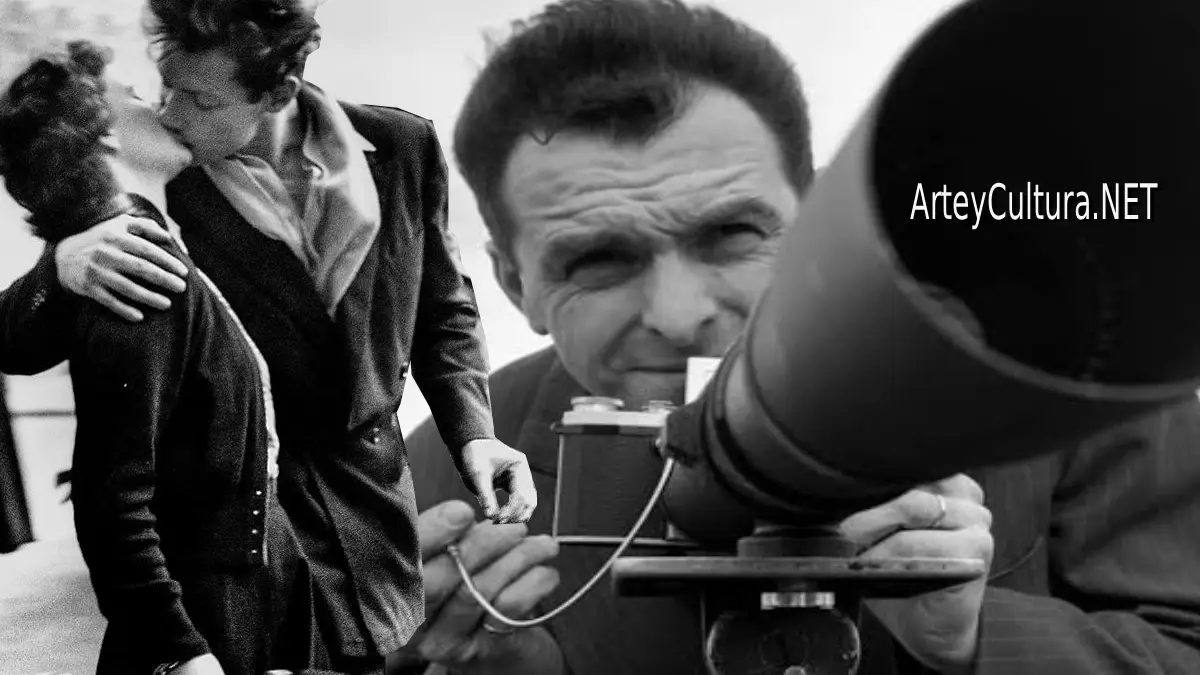
Robert Doisneau was born in Gentilly, France, on April 14, 1912, and died in Paris on April 1, 1994. A major representative of French humanist photography, he created a Paris populated by workers, schoolchildren, lovers, musicians and eccentric passers-by.
Learning through craft and observation
Doisneau trained as a lithographic engraver and learned photography largely through practice. Work with the modernist photographer André Vigneau broadened his technical and artistic experience. During the 1930s he photographed Renault factories before dismissal for repeated lateness.
Industrial work taught him to respond quickly to people and machines, but the street offered a more open theatre. After wartime activity that included forging documents for the French Resistance, he returned to reportage and editorial commissions.
Humanist photography
The term describes photographers who centred ordinary people and everyday environments, especially in postwar France. Doisneau looked for humour, tenderness and unexpected visual relationships. His images feel spontaneous because gesture and setting suggest a story extending beyond the frame.
That poetry is not neutral nostalgia. Outlying neighbourhoods, damaged streets, labour and poverty also appear in the archive. Warmth exists beside social inequality and urban change.
A full documentary portrait
This English documentary follows Doisneau’s formation, methods and major subjects. Contact sheets and testimony reveal the patience behind images that can appear to have been captured by effortless luck.
The Kiss by the Hotel de Ville
Commissioned for Life magazine in 1950, the famous photograph shows a couple kissing amid a moving Paris crowd. It became an international symbol of romantic spontaneity, but the couple were young actors whom Doisneau asked to perform the gesture.
Staging does not make the photograph meaningless. It changes the relevant question from whether an event happened accidentally to how photography manufactures a believable public memory.
The photographer beyond one icon
This English visual essay looks beyond the celebrated kiss to the breadth of Doisneau’s work. It highlights framing, humour and the recurring tension between observation and arrangement.
Achievements and legacy
- He helped define French humanist photography in the twentieth century.
- His archive preserved daily life across central Paris and its working suburbs.
- He received the Prix Niépce in 1956 and other major honours.
- His staged and candid images continue to stimulate debate about photographic truth.
Doisneau’s legacy is not a fantasy of a city without hardship. It is a practice of looking patiently enough for ordinary life to disclose humour, vulnerability and brief forms of human connection.