


RMS Titanic: Maiden Voyage, Disaster and Cultural Memory
A documented history of Titanic from its Belfast construction and 1912 maiden voyage to the sinking, safety reforms, wreck discovery and cultural afterlife.
- RMS Titanic
- maritime history
- Titanic sinking
- White Star Line
- Belfast shipbuilding
- North Atlantic
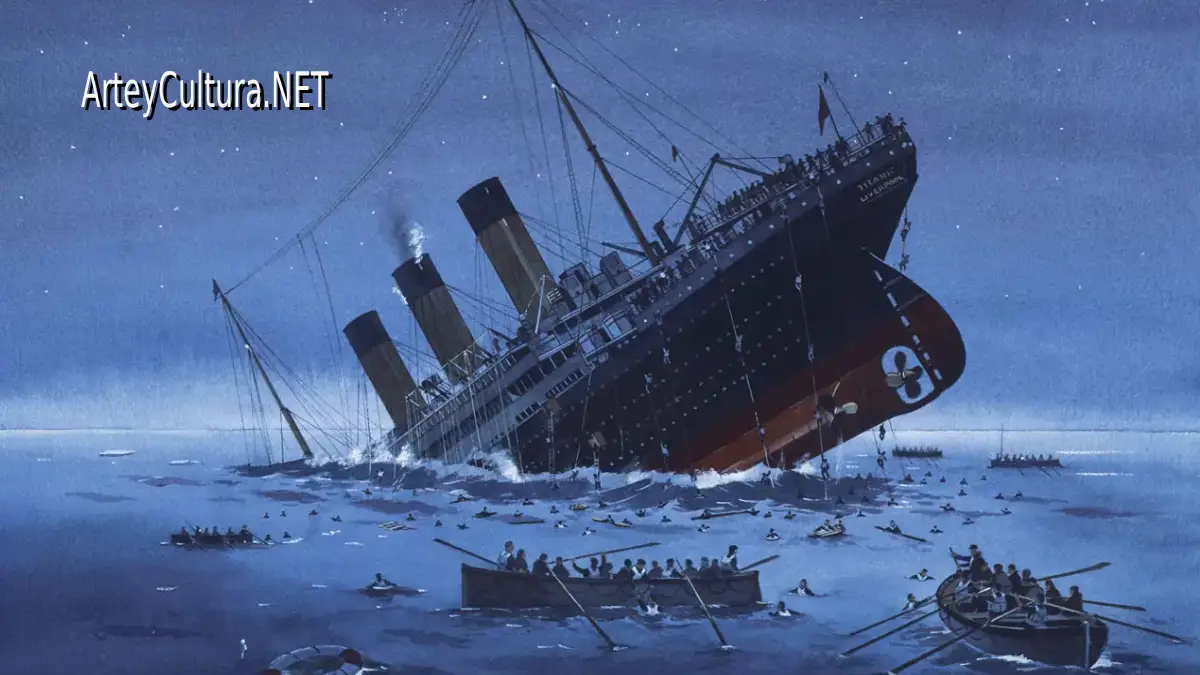
The RMS Titanic was built by Harland and Wolff in Belfast for the White Star Line. It left Southampton on April 10, 1912, bound for New York on a maiden voyage that ended in one of history’s most studied maritime disasters.
Engineering, luxury and limits
At about 269 metres long, Titanic was among the largest ships of its age. Its watertight subdivision, powerful engines and elaborate first-class interiors embodied confidence in industrial technology. The description unsinkable grew in popular memory, although contemporary publicity was more qualified than the later legend suggests.
The ship carried lifeboat capacity for only a portion of those aboard. That number complied with outdated British regulations based on tonnage, but it was catastrophically inadequate for a vessel carrying more than two thousand passengers and crew.
The collision and sinking
At approximately 11:40 p.m. on April 14, Titanic struck an iceberg in the North Atlantic. Damage opened several forward compartments to the sea. The design could remain afloat with fewer compartments flooded, but not with the sequence actually breached.
Titanic disappeared beneath the water around 2:20 a.m. on April 15. The nearby Carpathia rescued just over seven hundred survivors. More than 1,500 people died, although exact totals vary slightly among historical lists.
Reconstructing the disaster
This English National Geographic documentary uses wreck evidence and digital reconstruction to examine how the hull failed. It distinguishes what eyewitnesses could observe from conclusions made possible by later underwater investigation.
Class, gender and survival
Survival was not determined by one factor alone. The order to prioritise women and children, different access routes, language, cabin location and crew instructions produced sharply unequal outcomes. First-class passengers survived at a much higher rate than third-class passengers, making social structure part of the disaster’s history.
Causes beyond a single mistake
This English History programme examines decisions and conditions that contributed to the loss. Ice warnings, speed, visibility, evacuation practice and lifeboat procedures formed a system of risk; no single dramatic error fully explains the outcome.
Reform, discovery and memory
International inquiries helped produce stronger lifeboat rules, continuous radio watches and the International Ice Patrol. The wreck was located in 1985 by a team led by Robert Ballard and Jean-Louis Michel.
Films, novels and exhibitions have repeatedly retold the story. The wreck is also a deteriorating archaeological site and maritime grave. Artefacts and tourism therefore raise ethical questions about research, ownership and respect for the dead.
Historical significance
- The sinking exposed failures in maritime safety regulation and emergency planning.
- It revealed how class and access shape survival during catastrophe.
- The wreck transformed deep-sea archaeology and forensic reconstruction.
- Its cultural afterlife demonstrates how history, myth and entertainment become intertwined.
Titanic endures not because it was uniquely luxurious or supposedly invulnerable, but because one night concentrated technological ambition, human inequality, institutional failure and extraordinary acts of courage.