Edvard Munch: Memory, Anxiety and The Scream
The life, works and legacy of Edvard Munch, the Norwegian artist who transformed illness, desire, grief and anxiety into a modern visual language.
- Edvard Munch
- The Scream
- Norwegian art
- Expressionism
- The Frieze of Life
- printmaking
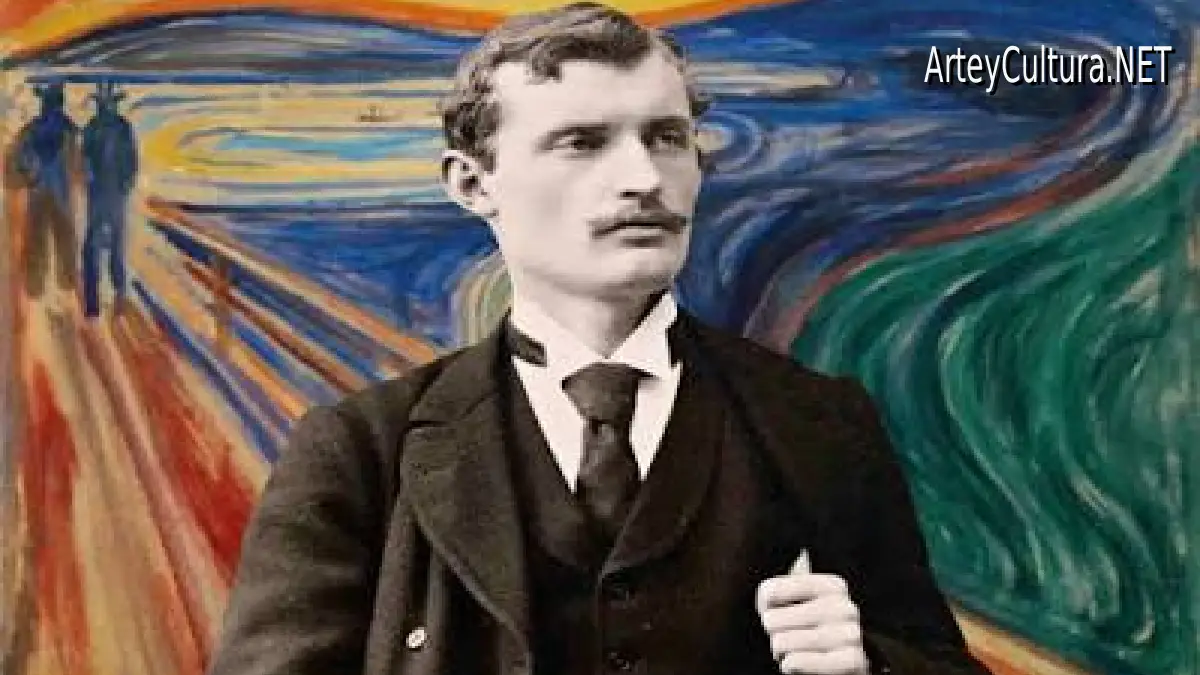
Edvard Munch was born in Løten, Norway, on December 12, 1863, and died at Ekely, outside Oslo, on January 23, 1944. Through painting, drawing and printmaking, he made illness, love, jealousy, loneliness and death into structures of colour and line that helped shape Expressionism.
Loss and artistic formation
Munch’s mother died when he was five, and his sister Sophie died when he was fourteen. Illness and mourning remained recurring experiences, yet biography alone does not explain the art. In the bohemian circles of Kristiania, he deliberately moved away from naturalist description toward images of psychological memory.
The Sick Child revisited Sophie’s death through scraped and repeatedly reworked paint. Contemporary critics attacked its unfinished surface, but that instability became part of the subject: memory cannot restore a lost person with photographic certainty.
The Frieze of Life
Munch grouped works under the idea of a cycle about love, anxiety and death. The Kiss, Madonna, Vampire, Jealousy and The Dance of Life show intimacy as both attraction and threat. Repetition allowed him to test the same motif across years and media.
Inside a troubled visual world
This English documentary connects major works with Munch’s biography and European context. Its visual range helps distinguish the long, experimental career from the single image that later came to dominate his reputation.
The Scream
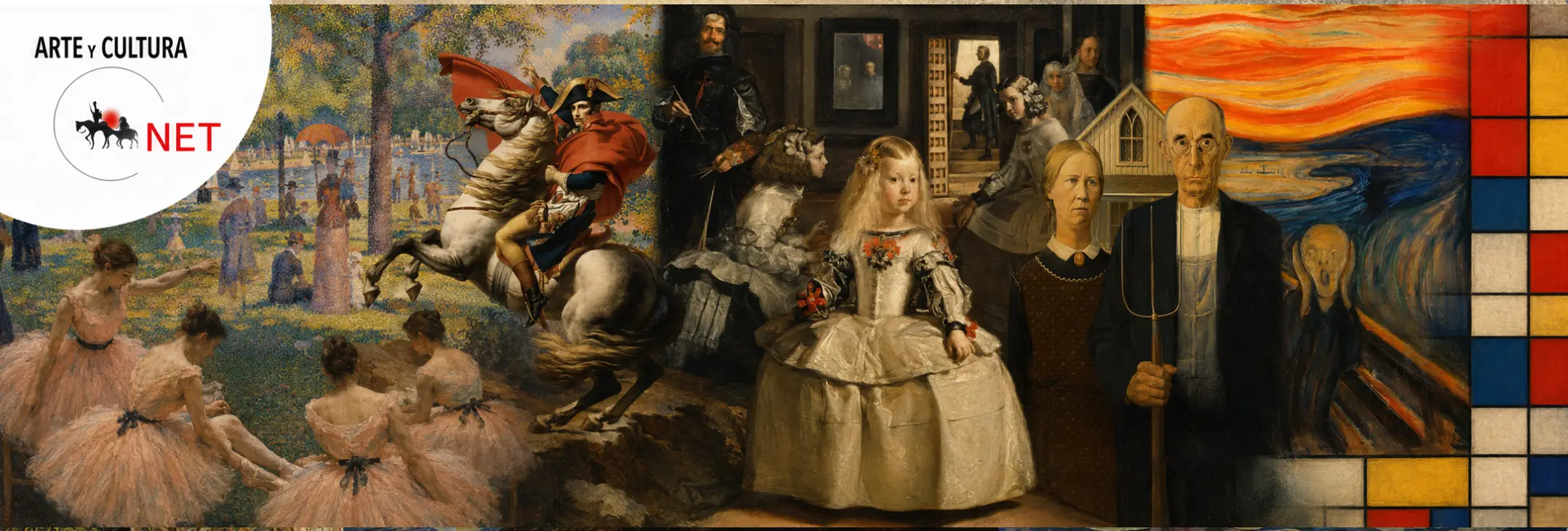
Munch created painted, pastel and printed versions of The Scream beginning in 1893. A figure stands on a bridge while landscape and sky undulate around it. The hands cover the ears, suggesting that the figure may be responding to a scream perceived throughout nature rather than producing it.
The location drew on a road overlooking Kristiania, but the image does not document one literal event. Its power comes from converting sensation into rhythm: curves, colour and perspective make the entire environment participate in anxiety.
Emotion and society
This English analysis considers the emotional and social resonance of The Scream. It helps explain why a deeply individual image became a shared modern emblem, repeatedly quoted in advertising, cinema and digital culture.
Crisis, recovery and later work
After a severe crisis, Munch entered a clinic in 1908. His later work often became brighter and more expansive, including landscapes, self-portraits and murals for the University of Oslo. The idea that he painted only despair obscures this sustained renewal.
Achievements and legacy
- He made subjective emotion a formal principle of modern art.
- He used repetition across painting and print to explore changing memory.
- His Frieze of Life created a major cycle of modern human experience.
- He left thousands of works to the city of Oslo, forming the basis of the Munch collection.
Munch’s legacy is not merely the universal symbol of a screaming face. It is a lifetime spent discovering how colour, surface and recurring images can give private memory a public form.