Felipe Pinglo: Poetry and Social Conscience in the Peruvian Waltz
The life and legacy of Felipe Pinglo Alva, composer of El plebeyo and a foundational voice of Peruvian criollo music.
- Felipe Pinglo
- Peruvian music
- criollo music
- Peruvian waltz
- El plebeyo
- Barrios Altos
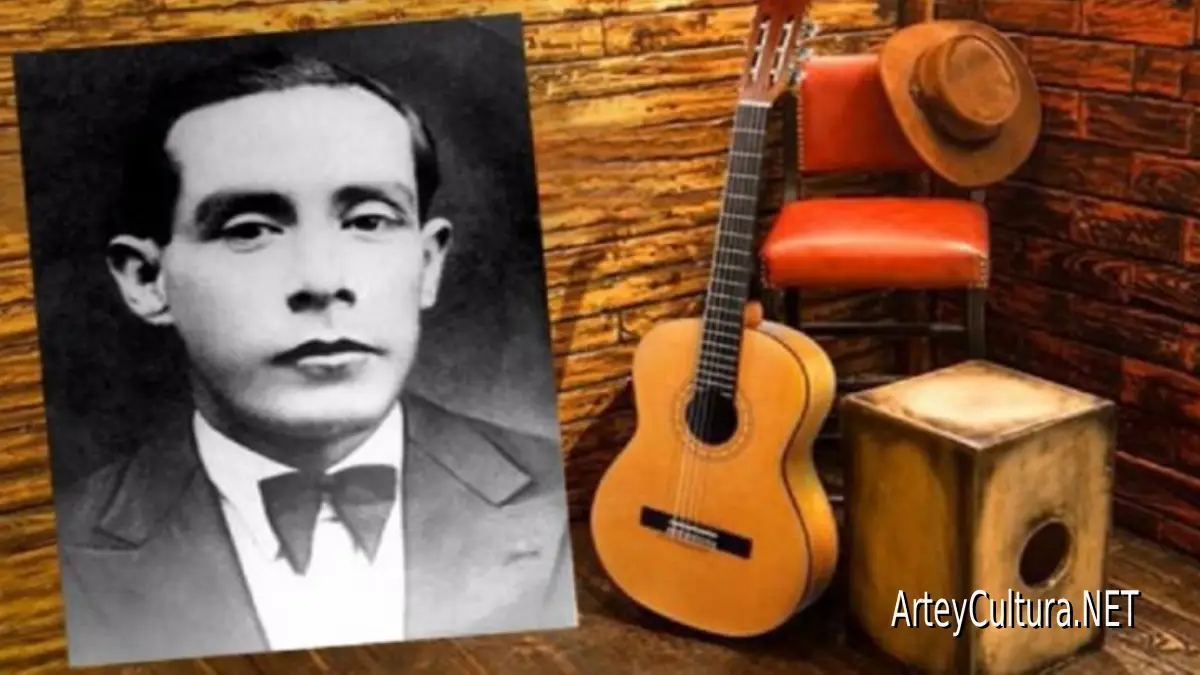
Julio Felipe Federico Pinglo Alva was born in Barrios Altos, Lima, on July 18, 1899, and died on May 13, 1936. Known as the Immortal Bard, he renewed the Peruvian waltz through ambitious melodies and lyrics about love, poverty, labour, inequality and urban dignity.
Barrios Altos as a musical world
Pinglo grew up amid the courtyards, workshops, processions and social networks of one of historic Lima’s most culturally active districts. Criollo traditions circulated alongside imported records, dances and sheet music. He listened widely and transformed those influences rather than merely copying them.
His life was brief and economically modest. He worked in different occupations while composing songs that travelled through neighbourhood performers long before they became part of a recognised national canon.
A composer without surviving recordings
No confirmed recording preserves Pinglo singing or playing his own music. His works survived through oral transmission, manuscripts and later performers. Variations in melody and text therefore form part of their history, while early scores and recordings remain important evidence.
A Spanish biographical portrait
This Spanish-language programme is retained because no comparable English biography was available. It introduces Pinglo’s chronology, Barrios Altos and the social environment from which his repertoire emerged.
El plebeyo
His best-known waltz tells of Luis Enrique, whose love is obstructed by class hierarchy. The song turns a social structure into intimate pain and asks why birth and wealth should govern affection. Its lasting appeal comes from joining memorable melody with an argument about human equality.
The song with an English translation
This performance includes an English translation of El plebeyo. It gives Anglophone audiences access to the narrative and makes clear why the piece is more than a romantic lament: its language openly confronts privilege.
A broad and enduring repertoire
Pinglo also wrote El huerto de mi amada, Rosa Luz, De vuelta al barrio, Jacobo el leñador and many other songs. His melodic range expanded the waltz, while his characters brought workers and marginalised lives into popular song with seriousness and compassion.
Tuberculosis ended his life at thirty-six. Posthumous recognition grew through singers, guitarists, radio and commemorations until his name became inseparable from the history of Peruvian criollo music.
Achievements and legacy
- He renewed the melodic and poetic language of the Peruvian waltz.
- He brought class conflict and working lives into popular song.
- His repertoire has been interpreted by successive generations of major performers.
- He transformed Barrios Altos into a lasting geography of national memory.
Pinglo’s legacy shows how a local song can achieve universal force. Beauty and social conscience do not compete in his work; each gives the other its emotional authority.