Paul Gauguin: Colour, Myth and the Colonial Gaze
The life, artistic innovations and colonial controversies of Paul Gauguin, a central yet deeply contested figure of Post-Impressionism.
- Paul Gauguin
- Post-Impressionism
- Synthetism
- French art
- Tahiti
- colonialism
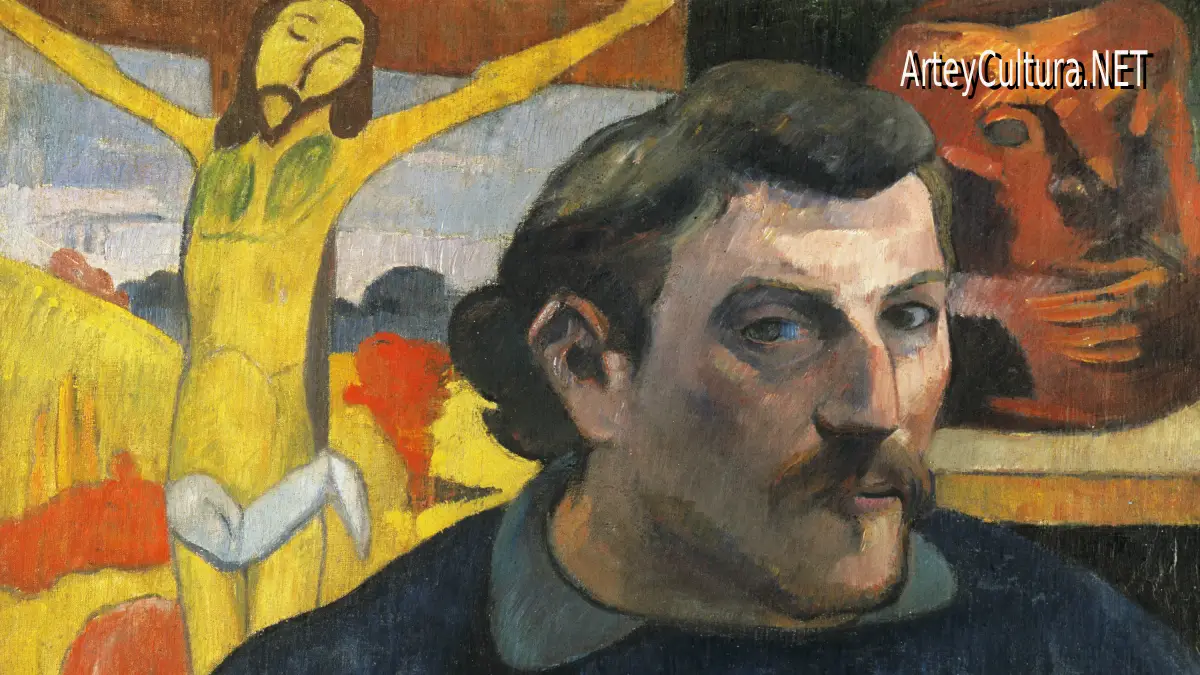
Eugène Henri Paul Gauguin was born in Paris on June 7, 1848, and died in Atuona, Marquesas Islands, on May 8, 1903. Painter, printmaker, ceramicist and writer, he helped move European art away from optical naturalism toward flat colour, emphatic outlines and symbolic invention. His formal importance cannot be separated from the colonial inequalities through which he lived and worked.
From finance to painting
After childhood years in Peru and service in the merchant marine, Gauguin became a stockbroker in Paris. He collected art and painted as an amateur, exhibiting with the Impressionists. A financial crisis and his decision to pursue art full-time destabilised his marriage and family life.
In Brittany, especially around Pont-Aven, he developed Synthetism with younger artists. Visible reality, the artist’s memory and the abstract organisation of colour were combined rather than treated as competing aims.
A concise journey through the work
This English overview follows the main phases of Gauguin’s career. It is useful for seeing how compressed shapes and non-naturalistic colour evolved across painting, printmaking and ceramics rather than appearing suddenly in Polynesia.
Arles and Van Gogh
Gauguin stayed with Vincent van Gogh in Arles in 1888. Their intense collaboration ended after conflict and Van Gogh’s psychological crisis. The episode became legendary, but it also reveals two incompatible artistic temperaments living under severe emotional and financial pressure.
Polynesia and a manufactured paradise
Gauguin travelled to Tahiti in 1891 seeking what he imagined as an untouched culture. He instead encountered a society already transformed by French colonial rule and missionary activity. His paintings combine observation with borrowed symbols, invention and an exotic image designed partly for European audiences.
He formed sexual relationships with Indigenous adolescent girls within profound inequalities of age, race and colonial power. Any responsible account must name that harm rather than romanticise it as artistic freedom.
Gauguin as a maker of myth
This English National Gallery of Art programme examines the myths Gauguin created around his life and paintings. The distinction between biography, self-promotion and historical evidence is essential when viewing works that claim cultural authenticity.
Major works and influence
Paintings such as Vision after the Sermon, The Yellow Christ, Spirit of the Dead Watching and Where Do We Come From? What Are We? Where Are We Going? use colour and scale to create symbolic worlds. Their surfaces influenced the Nabis, Fauvism, Expressionism and later modernists.
Achievements and a contested legacy
- He expanded the expressive independence of colour and contour.
- He helped establish Synthetism as an alternative to Impressionist observation.
- His work influenced several major currents of European modernism.
- His Polynesian imagery remains inseparable from appropriation and colonial violence.
Gauguin’s legacy demands double vision: close attention to genuine artistic invention and equal clarity about the people and histories that his myth of escape attempted to conceal.