
Carlos Hayre: Harmony and the Renewal of Peruvian Criollo Music
The life and legacy of Carlos Hayre, the guitarist, bassist, composer and arranger who expanded the harmonic language of Peruvian coastal music.
- Carlos Hayre
- Peruvian music
- criollo music
- Afro-Peruvian music
- guitar
- arrangement
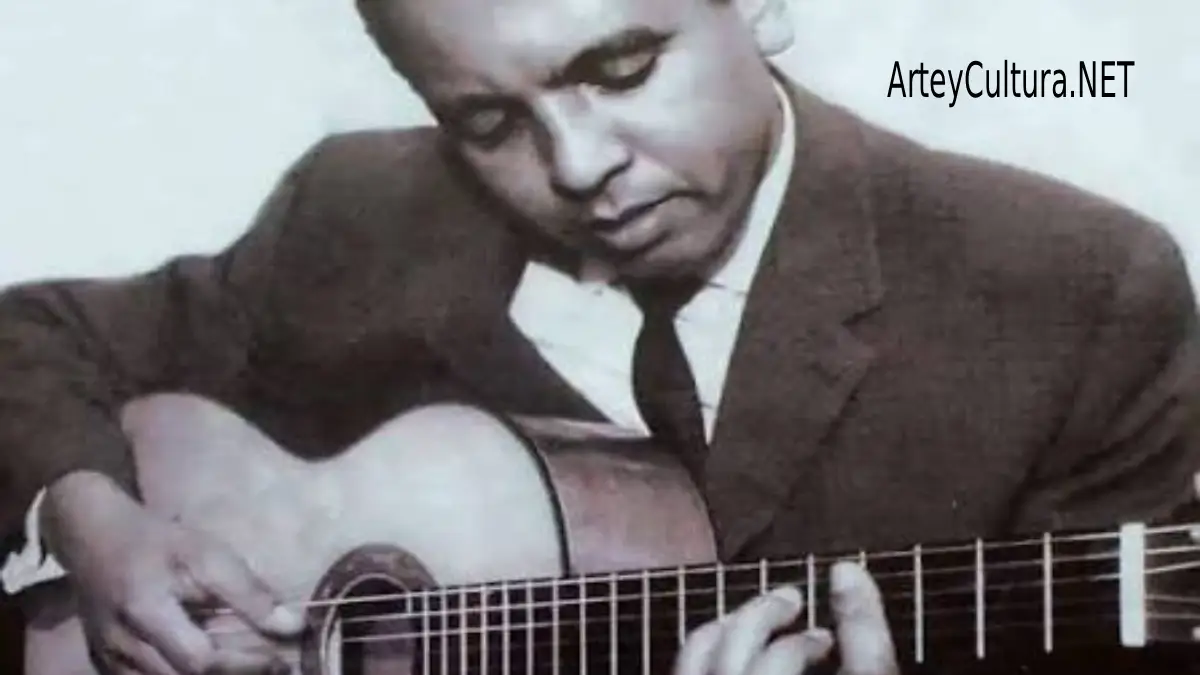
Carlos Hayre Ramírez was born in Barranco, Lima, on June 28, 1932, and died in Lima on July 19, 2012. A guitarist, double bassist, composer and arranger, he helped renew the language of Peruvian coastal music without separating innovation from tradition.
A musician formed by listening
Hayre developed his craft through practical contact with popular performers and professional ensembles. He absorbed the rhythmic character of the vals, marinera and Afro-Peruvian genres while studying the harmonic possibilities of jazz and international popular music.
His command of both guitar and bass gave him a particularly broad view of an arrangement. He could shape melody, harmony and rhythmic foundation as parts of one architecture rather than isolated layers.
Expanding the criollo guitar
The traditional accompaniment of the Peruvian vals already demanded precision and rhythmic intelligence. Hayre enriched it with unexpected chord voicings, mobile bass lines and subtle counterpoint. His changes were modern, but they continued to serve the words and emotional direction of each song.
A biographical portrait
This Spanish-language biography is retained because detailed audiovisual material about Hayre is scarce in English. The programme documents his career and allows the musician’s own cultural environment to frame his contribution.
Work with Alicia Maguiña
His artistic partnership with singer and composer Alicia Maguiña became one of the central chapters of his career. As accompanist and arranger, Hayre helped give her repertoire a refined sonic identity. Their work demonstrated that a sophisticated arrangement could deepen, rather than obscure, the regional roots of a composition.
He also worked with numerous leading voices of Peruvian music. In recording studios and performances, his arrangements became a school for musicians who learned through hearing how restraint, tension and rhythmic placement could transform a familiar song.
Carlos Hayre in Sigo Siendo
This Spanish excerpt from the documentary Sigo Siendo preserves Hayre’s presence, sound and reflections. It is valuable not merely as a tribute but as primary cultural testimony: viewers can observe the economy of his playing and the authority acquired through decades of practice.
Achievements and legacy
- He broadened the harmonic vocabulary of Peruvian criollo accompaniment.
- He connected coastal rhythms with jazz-informed harmony while preserving their identity.
- His arrangements strengthened the repertoire of Alicia Maguiña and other major interpreters.
- His work on guitar and bass influenced later generations of performers and arrangers.
Hayre’s legacy resides in attentive musical construction. He proved that tradition remains alive when musicians understand its internal logic deeply enough to imagine new possibilities within it.