Jorge Amado: Bahia, Its People and Brazilian Narrative
The life and work of Jorge Amado, Brazilian author of Gabriela, Clove and Cinnamon and Dona Flor and Her Two Husbands.
- Jorge Amado
- Brazilian literature
- Bahia
- Gabriela
- Dona Flor
- Afro-Brazilian culture
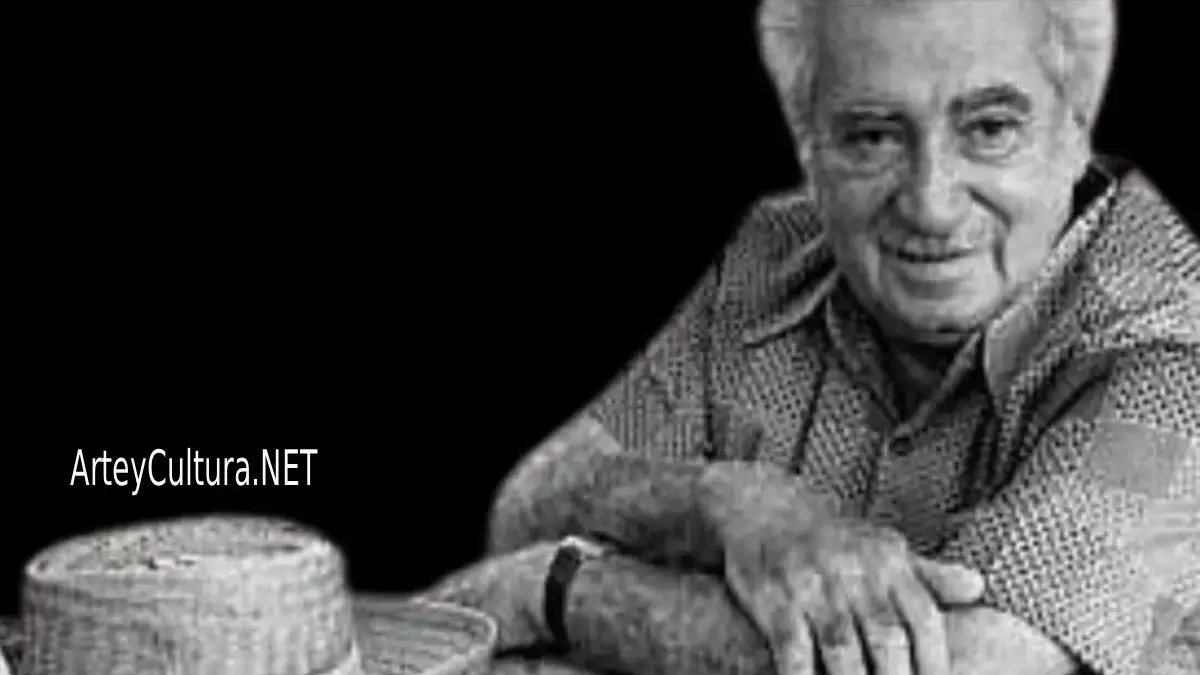
Jorge Amado was born in Itabuna, Bahia, on August 10, 1912, and died in Salvador on August 6, 2001. One of Brazil’s most widely translated novelists, he turned Bahia’s streets, ports, plantations, markets and religious traditions into a narrative world both celebratory and critical.
Childhood and first novels
Experience in the cacao-growing region informed early works about labour, land and exploitation. He published his first novel while young and quickly joined literary life in Rio de Janeiro.
Politics and exile
Amado was associated with the Brazilian Communist Party and served as a federal deputy. Political repression brought censorship and exile. His later fiction became less programmatic while retaining strong attention to class, race and social exclusion.
Bahia as a literary universe
Bahia is never scenery alone. Food, music, port labour, sexuality and Candomblé shape plot and character. His popularity helped circulate Afro-Brazilian culture internationally, though critics also debate sensual stereotypes and the treatment of women.
A documentary portrait
This Portuguese documentary is retained as a language exception because it provides cultural and biographical depth unavailable in English. Images of Bahia connect the writer’s settings with the communities that inspired them.
Major novels
Gabriela, Clove and Cinnamon, Dona Flor and Her Two Husbands, Tieta and Captains of the Sands combine humour, desire and social hierarchy. Their adaptations in film and television broadened his audience far beyond literary publishing.
Life and historical context
This second Portuguese biography places the novels within twentieth-century Brazilian history. The visual record helps English readers understand how regional life and national political change intersect in his fiction.
Achievements and legacy
- He made Bahia one of world literature’s memorable territories.
- He placed workers, street children and Afro-Brazilian traditions at the narrative centre.
- His books reached readers through extensive translation and adaptation.
- He joined popular storytelling with sustained social criticism.
Amado’s work remains alive because pleasure and injustice occupy the same streets. Celebration never fully erases the conflicts beneath it.