
Ray Bradbury: Imagination, Memory and Possible Futures
The life and work of Ray Bradbury, author of Fahrenheit 451 and The Martian Chronicles, who used fantasy and science fiction for human criticism.
- Ray Bradbury
- Fahrenheit 451
- The Martian Chronicles
- science fiction
- fantasy
- censorship
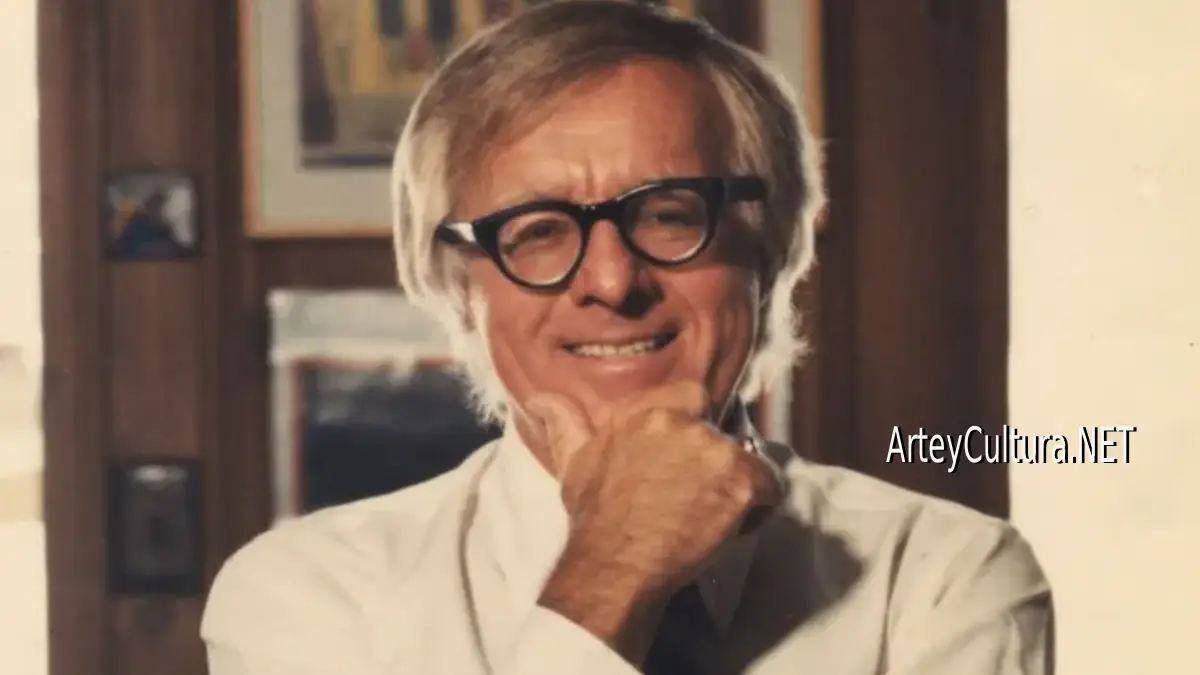
Ray Douglas Bradbury was born in Waukegan, Illinois, on August 22, 1920, and died in Los Angeles on June 5, 2012. A writer of stories, novels, plays and screenplays, he used science fiction, fantasy and horror to explore censorship, memory, technology and wonder.
Educated by libraries
Bradbury could not afford university and described the public library as his education. He wrote constantly, sold newspapers and submitted stories to magazines. This self-directed apprenticeship shaped his conviction that reading should remain accessible rather than guarded by status.
Mars as a mirror
The Martian Chronicles links stories about exploration and settlement. Mars becomes less a prediction than a mirror for colonial violence, nostalgia, racism and humanity’s habit of carrying old failures into new worlds.
Fahrenheit 451
The 1953 novel follows fireman Guy Montag in a society where books are burned and distraction replaces sustained thought. Its warning concerns not only state censorship but also a culture that voluntarily abandons complexity.
A conversation with Bradbury
In this English interview, Bradbury links writing with enthusiasm, libraries and daily practice. His exuberance corrects the assumption that serious literature must emerge from solemnity.
Writing the novel
This English UCLA recording preserves Bradbury’s account of composing Fahrenheit 451. He emphasizes practical routine and the productive pressure of rented typewriters, showing that inspiration becomes work through deadlines and revision.
Achievements and legacy
- He brought poetic language to popular speculative fiction.
- He made censorship and passive entertainment enduring public questions.
- He defended libraries as democratic institutions.
- His work influenced literature, cinema, television and space culture.
Bradbury imagined rockets and distant planets, but his central subject was human attention. The future remains valuable only when people retain memory, curiosity and the courage to read.