Ángel Rama: Criticism, Culture and the Lettered City
The life and legacy of Ángel Rama, the Uruguayan critic who studied the relations among literature, power, territory and modernization in Latin America.
- Ángel Rama
- Latin American criticism
- The Lettered City
- transculturation
- Uruguayan literature
- publishing
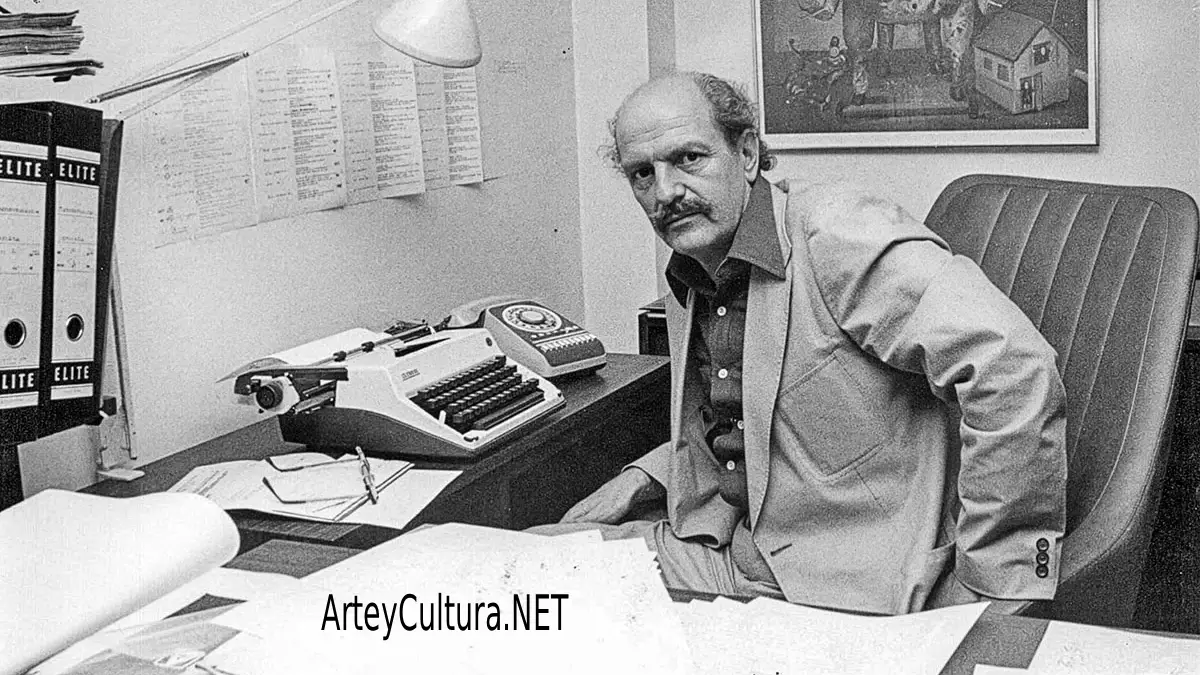
Ángel Rama was born in Montevideo on April 30, 1926, and died in an air crash near Madrid on November 27, 1983. A critic, essayist, editor and teacher, he helped readers understand Latin American literature as a cultural system shaped by territory, institutions, modernization and power.
Formation in Uruguay
Rama developed within Montevideo’s intense intellectual life and participated in the broad formation known as the Generation of 1945. He taught, reviewed books and contributed to publications that treated literary judgement as part of public debate rather than a secluded academic exercise.
Editor and builder of networks
He did more than interpret individual works. Rama directed collections and editorial projects that helped authors circulate across national borders. Publishing, for him, was a way of constructing Latin American relations and challenging the isolation of separate national canons.
Narrative transculturation
Rama used transculturation to describe how writers transform external pressures while working with local languages, forms and cultures. The process is not passive reception. It involves selection, resistance, loss and invention, producing a new synthesis that neither side possessed beforehand.
An interview from 1965
This Spanish-language interview is retained as an exception because no English audiovisual source provides comparable direct testimony. It allows readers to hear a young Rama explain criticism with clarity and regional ambition. Tone and cadence reveal criticism as dialogue, not merely written verdict.
The Lettered City
Published after his death, The Lettered City studies how clergy, lawyers, bureaucrats, journalists and writers administered signs and authority from the colonial period onward. The “lettered city” is not simply an urban place. It is a network of institutions and specialists whose command of writing shapes social order.
The concept remains productive because it asks who gains access to official language, archives and publication—and which spoken or popular forms are excluded from legitimacy.
Exile and comparative teaching
Uruguay’s dictatorship forced Rama into exile. He lived and taught in several countries across the Americas and Europe. Migration brought serious personal and legal difficulties, but it also widened the comparative perspective through which he examined a continent of connected differences.
Beyond the lettered city
This Spanish documentary examines the continuing relevance of Rama’s ideas. It is retained for its specialist focus unavailable in English. The film invites current questions about universities, media, publishing and digital platforms: who produces knowledge, who distributes it and what voices remain outside institutional recognition?
Death and intellectual partnership
Rama died with his wife, art critic Marta Traba, and other intellectuals aboard Avianca Flight 011. Their deaths abruptly ended several major projects. Reading both critics also reveals how Latin American literary and visual-art networks intersected through partnership, travel and exile.
Achievements and legacy
- He conceptualized Latin America beyond isolated national traditions.
- He developed lasting ideas about transculturation, institutions and cultural power.
- He strengthened continental editorial and university networks.
- He related literary form to concrete social and territorial processes.
Ángel Rama turned criticism into cartography. His books show how words, institutions and places work together in the continuing construction of Latin America.