Alice Munro: The Hidden Depth of Ordinary Lives
The life, stories and legacy of Alice Munro, the Canadian Nobel laureate who revealed entire lives through compressed narratives of memory, choice and time.
- Alice Munro
- Canadian literature
- short stories
- Nobel Prize in Literature
- Dear Life
- Runaway
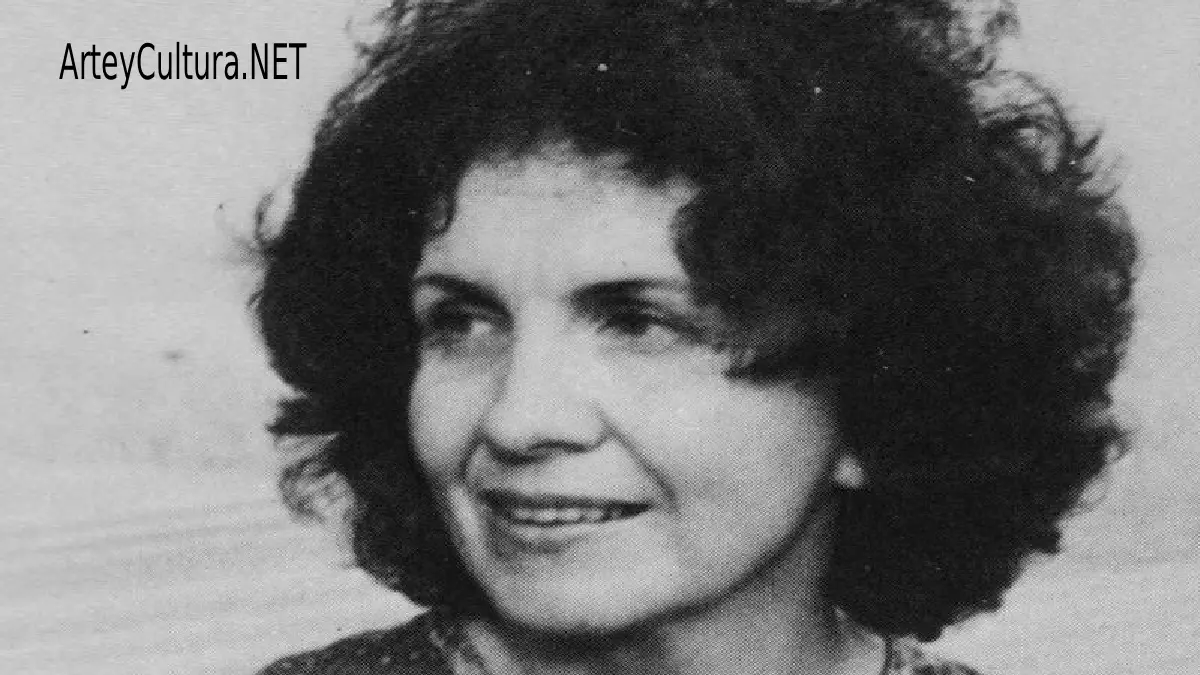
Alice Ann Munro, born Alice Ann Laidlaw, was born in Wingham, Ontario, on 10 July 1931 and died in Port Hope, Ontario, on 13 May 2024. She was one of the defining masters of the modern short story and received the 2013 Nobel Prize in Literature.
Munro discovered decisive changes beneath the surface of apparently ordinary lives. A meeting, withheld fact or altered memory can cause decades to fold into a few pages. Her stories reward rereading because later knowledge quietly transforms what came before.
Childhood in southwestern Ontario
Munro grew up on a fox and mink farm near a small rural community. Her father faced economic difficulty, and her mother developed Parkinson’s disease. The landscape, class distinctions and private codes of southwestern Ontario became recurring material in her fiction.
She did not treat regional life as picturesque background. Place determines opportunity, reputation and the distance a character believes she can travel from her beginnings.
Becoming a writer
Munro attended the University of Western Ontario on a scholarship and published stories while still a student. After marrying James Munro, she moved to Canada’s west coast. The couple founded Munro’s Books in Victoria, which became an important independent bookshop.
For years she wrote alongside domestic work and raising children. Fragmented time may have contributed to her concentration on the short form, but the result was not small in ambition. Her stories often contain the temporal and emotional reach of novels.
The architecture of a Munro story
Her narratives move through flashbacks, omissions and sudden changes in point of view. Chronology bends around memory. What first appears to be a conclusion may become merely one character’s provisional understanding.
Munro trusted readers to notice patterns without explanatory signposts. A physical object, repeated phrase or minor encounter can return years later with a different moral weight. This architecture creates suspense from knowledge rather than from conventional plot alone.
Women, freedom and consequence
Many protagonists grow up in small towns, imagine escape and discover that freedom brings losses as well as possibilities. Munro examined marriage, motherhood, work, illness, sexuality and ageing without turning characters into moral examples.
Contradictions remain active. People can be generous and cruel, perceptive and self-deceiving. Her refusal to simplify women into symbols gave literary authority to experiences often dismissed as merely domestic.
The Nobel laureate in her own words
Produced by the Nobel Prize, this substantial English interview allows Munro to discuss childhood reading, the emergence of stories and her working habits. Its restrained tone mirrors a fiction that avoids grand declarations and relies on the exact placement of detail.
Essential collections
Dance of the Happy Shades was her first collection. It was followed by books including The Moons of Jupiter, Friend of My Youth, The Love of a Good Woman, Runaway, Too Much Happiness and Dear Life. Some volumes connect stories so that a community or indirect biography emerges across the book.
Her settings recur without becoming repetitive. Each return uncovers another arrangement of family history, secrecy and social expectation.
A conversation about craft and experience
In this English conversation with editor Diana Athill, Munro reflects on writing and lived experience. The exchange reveals the careful work behind prose that appears natural: she revised structure, shifted time and removed explanation until readers encountered the essential movement of consciousness.
Recognition and the Nobel Prize
Munro received Canada’s Governor General’s Literary Award several times, as well as the National Book Critics Circle Award and the Man Booker International Prize. The 2013 Nobel citation recognised her as a master of the contemporary short story.
The award also challenged a persistent hierarchy that treats the novel as inherently more important. Munro demonstrated that compression can enlarge rather than reduce a fictional world.
Final years and renewed scrutiny
After Dear Life appeared in 2012, Munro retired from writing. She died in 2024 at 92. Her death renewed admiration for the work and also difficult discussion about biography, family silence and the ethical questions that can surround artistic achievement.
Serious reading does not require turning an author into an uncomplicated monument. Munro’s stories themselves teach that lives contain painful contradictions and that what remains unspoken can alter every surrounding fact.
Achievements and legacy
- She showed that short fiction can contain decades and complete lives.
- She transformed narrative time, memory and point of view.
- She gave sustained complexity to women’s experiences often minimised by literary culture.
- She brought worldwide recognition to Canadian short fiction.
Alice Munro made ordinary life a territory of discovery. Her stories remind us that a life changes not only through visible events, but through what someone remembers, conceals or understands too late.