Wolfgang Amadeus Mozart: Life, Works and Musical Genius
The life, achievements and legacy of Wolfgang Amadeus Mozart, the Classical composer who transformed opera, symphony, chamber music and the piano concerto.
- Wolfgang Amadeus Mozart
- Classical music
- Austrian composer
- opera
- Don Giovanni
- The Magic Flute
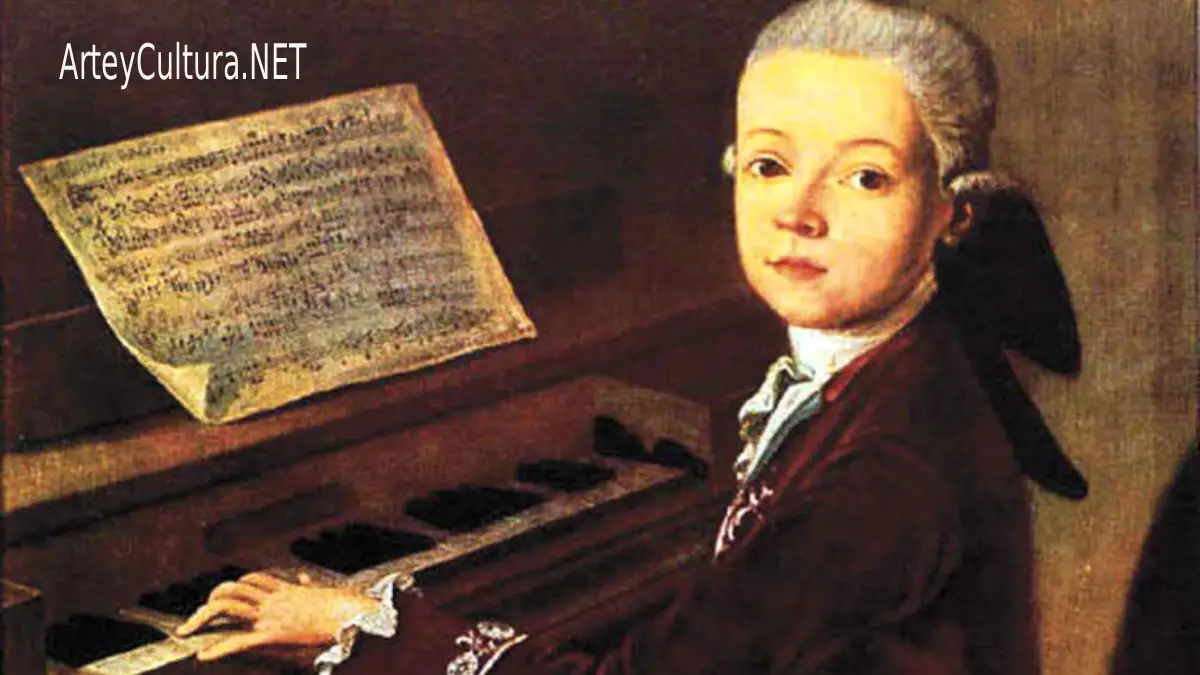
Wolfgang Amadeus Mozart was born in Salzburg on 27 January 1756 and died in Vienna on 5 December 1791. A composer, pianist and violinist of the Classical period, he created more than six hundred works and mastered nearly every important musical genre of his age.
His achievement should not be reduced to childhood precocity. The mature music combines formal clarity, dramatic imagination and emotional depth. What sounds effortless is often the result of absorbed traditions, professional discipline and exact knowledge of performers.
A prodigious talent carefully educated
Mozart’s father, Leopold, was a violinist, composer and respected teacher. He recognised the abilities of Wolfgang and his elder sister, Maria Anna, known as Nannerl. Both children performed on extensive tours before European courts.
These journeys exposed Mozart to many styles and composers. They also demanded exhausting travel, public display and constant preparation. His extraordinary ear developed inside a rigorous musical education rather than in isolation from it.
Europe as a musical classroom
In Italy, Mozart absorbed operatic practice and counterpoint. Mannheim introduced him to an orchestra admired for discipline and dramatic dynamic effects. Paris offered both artistic contact and professional disappointment. London brought encounters with Johann Christian Bach, whose elegant style influenced the young composer.
Travel gave him a flexible vocabulary. He learned how different audiences, voices and instruments shaped musical form, then transformed those lessons into a personal language.
From Salzburg service to Vienna independence
For years Mozart served the archbishop of Salzburg. The relationship deteriorated because he wanted greater artistic and professional independence. In 1781 he settled in Vienna as a freelance composer and performer.
He organised subscription concerts, taught pupils, published music and accepted commissions. This freedom produced some of his greatest works, but income was unstable and depended on fashion, patronage and his ability to remain visible in a competitive city.
A full portrait of the composer
This widely viewed English documentary traces Mozart’s childhood tours, professional conflicts and mature career in substantial detail. It is especially useful for replacing the myth of effortless genius with a fuller picture of learning, labour and the changing musical economy of eighteenth-century Europe.
Opera as human drama
Mozart made opera a space where music and psychology move together. The Marriage of Figaro combines comedy with class tension. Don Giovanni joins seduction, violence and the supernatural. Così fan tutte tests desire and fidelity, while The Magic Flute brings popular theatre, Masonic symbolism and Enlightenment aspiration into a single work.
Ensembles are central to this achievement. Several characters can sing different emotions at once, and the orchestra reveals relationships that words alone cannot express.
Symphonies, concertos and chamber music
The final symphonies unite energy, balance and contrapuntal density. Mozart wrote many piano concertos for his own performances, transforming the relationship between soloist and orchestra into a dramatic conversation. His string quartets dedicated to Haydn show patient revision and sophisticated dialogue among equal voices.
The range is remarkable: sacred music, serenades, sonatas, dances, wind music and chamber works all received sustained attention. Mastery across genres allowed ideas discovered in one form to enrich another.
A concise English biography
This short, popular English biography provides a clear chronological introduction. It complements the longer documentary by identifying essential milestones quickly and can guide listeners toward the operas, concertos and symphonies discussed in the article.
The final year and the unfinished Requiem
In 1791 Mozart completed works as different as The Magic Flute, the Clarinet Concerto and much of the Requiem. He died at 35 from an illness that cannot now be diagnosed with certainty. The familiar story that Antonio Salieri poisoned him has no reliable historical foundation.
The Requiem remained unfinished and was completed mainly by Franz Xaver Süssmayr so that the commission could be fulfilled. Its incomplete state has contributed to its legend, but the music deserves attention beyond the mystery surrounding its creation.
Achievements and legacy
- He gave Classical opera extraordinary dramatic and psychological depth.
- He transformed the piano concerto into a rich dialogue between individual and ensemble.
- He achieved lasting excellence in symphony, chamber, sacred and solo music.
- His work directly shaped Beethoven and generations of later composers.
Mozart’s music remains present in concert halls, theatres, cinema and education. Its surface can appear transparent, yet each return reveals another relation among voices, rhythms and emotions. That inexhaustible clarity is central to his genius.