Manuel Scorza: Poetry and Rebellion in the Silent War
The life, poetry and novels of Manuel Scorza, author of Drums for Rancas and chronicler of Peruvian peasant struggles against dispossession.
- Manuel Scorza
- Drums for Rancas
- Peruvian writer
- Peruvian poetry
- The Silent War
- peasant struggles
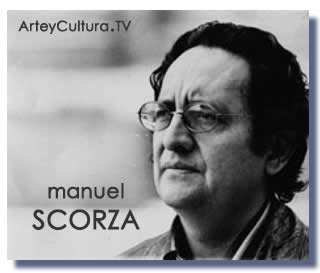
Manuel Scorza Torres was born in Lima on 9 September 1928 and died in an air disaster near Madrid on 27 November 1983. Poet, novelist, editor and cultural organiser, he turned land conflicts in Peru’s central highlands into the five-novel cycle known as The Silent War.
Education and exile
Scorza studied at the National University of San Marcos and participated in political activity. Exile took him through several Latin American countries. Distance sharpened his attention to Peru and connected literary work with continental debates about inequality and revolution.
Poetry
Before becoming internationally known as a novelist, Scorza published poetry marked by love, loss and political commitment. The lyrical imagination later entered his fiction, where mountains, animals and impossible events respond to human injustice.
Populibros and democratising reading
Through the Populibros publishing project, Scorza distributed inexpensive editions of important literature to broad audiences. The initiative treated access to books as a cultural and political question, not simply a commercial niche.
Drums for Rancas
Published in 1970, Redoble por Rancas draws on conflicts between highland communities, landowners, the state and a mining corporation. Fences spread across territory with almost supernatural force, while authorities fail to hear those being dispossessed.
The novel combines documented events with myth, satire and the marvellous. This form does not deny history; it communicates the scale of violence experienced by communities whose testimony official language had minimised.
The Silent War
Four further novels expanded the cycle, following resistance, repression and memory. Recurring characters and events create a collective epic rather than a single heroic biography.
Representation and debate
Scorza made neglected struggles internationally visible, but literature also transforms real people into characters. Readers should value the political intervention while asking how community voices are mediated by an individual author.
Death
He died aboard Avianca Flight 011 near Madrid with other Latin American writers and intellectuals. He was 55. The abrupt end left a major project completed but a broader career unfinished.
Video: literature from boiling reality
This Spanish film from Peru’s House of Literature situates poetry and fiction within the conflicts that shaped them. No comparable English resource was available, so its archival and critical value justifies the exception.
Video: Sucedió en el Perú
This Spanish documentary reconstructs Scorza’s life, publishing activism and novels. It provides national context that a generic English video on magical realism would lose.
Achievements and legacy
Scorza created a five-novel cycle from peasant land struggles, joined poetic invention with political denunciation, circulated affordable books and carried a Peruvian conflict to world literature.
His legacy lies in refusing silence. Fiction makes ignored reality audible, while its imaginative power also obliges readers to return to the histories and communities behind the page.