Abraham Valdelomar: Short Fiction, Journalism and Peruvian Modernity
The life, stories, poetry and legacy of Abraham Valdelomar, author of The Flight of the Condors and a decisive figure in modern Peruvian literature.
- Abraham Valdelomar
- The Knight Carmelo
- Peruvian writer
- Peruvian short story
- Colónida
- journalism
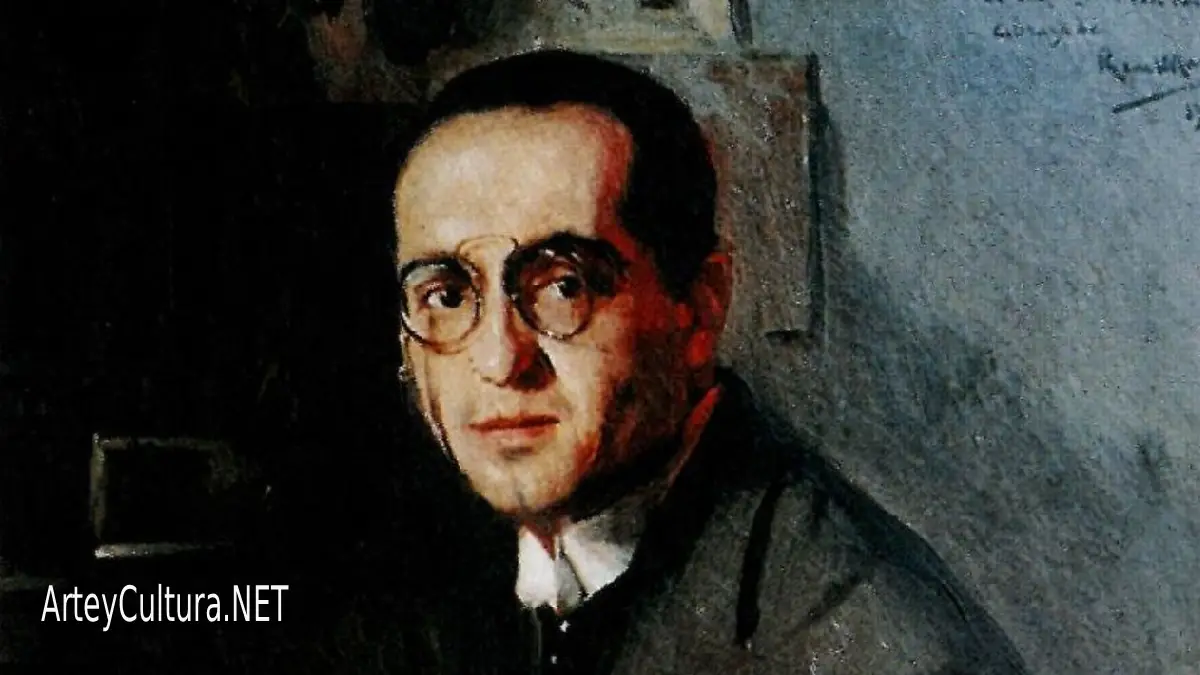
Pedro Abraham Valdelomar Pinto was born in Ica on 27 April 1888 and died in Ayacucho on 3 November 1919. Short-story writer, poet, journalist, caricaturist and public lecturer, he helped move Peruvian literature towards modern urban media while recovering the emotional landscape of the coast.
Childhood between Ica and Pisco
His childhood included the port of Pisco, family life and coastal customs that later entered the stories known as cuentos criollos. Memory does not merely reproduce a lost province; it turns household animals, meals and rivalries into a world shaped by affection and change.
Journalism and caricature
In Lima, Valdelomar wrote for newspapers, drew caricatures and participated in political life. Journalism taught speed, public voice and control of the striking image. He also fashioned the elegant public persona known as the Count of Lemos, treating modern authorship as performance.
Rome and writing
Diplomatic service took him to Rome in 1913. Distance helped him shape coastal memories into fiction. European experience did not make him abandon Peru; it clarified the literary potential of places previously considered too ordinary for ambitious art.
El caballero Carmelo
His best-known story centres on an ageing fighting cock whose final contest is remembered by a child. Domestic tenderness, violence and ritual coexist. The animal becomes a member of the family, and the story transforms a local practice into a meditation on courage, mortality and loss.
Colónida
In 1916 Valdelomar founded the magazine Colónida, which challenged rigid literary institutions and created space for younger voices. The movement was brief but symbolically important: cultural authority no longer had to depend on established academic circles.
Diverse narrative work
He wrote Inca-themed stories, fantastic tales, essays, theatre and poetry as well as coastal fiction. This variety resists the reduction of his career to one famous rooster. Experiment and journalism belonged to the same modern project.
Tours and death
Valdelomar travelled through Peru giving lectures, bringing literary performance beyond Lima. During a visit to Ayacucho for a regional congress, he suffered a fatal fall and died at 31. His brief life left an unusually broad public presence.
Video: Sucedió en el Perú
This Spanish TV Perú documentary reconstructs the writer’s historical setting and public persona. No English film of equivalent depth was available, so the national archive is retained.
Video: the world of El caballero Carmelo
This Spanish literary presentation concentrates on Valdelomar’s best-known story. It remains a justified exception because its close contextual reading is more valuable than a generic English video on Latin American fiction.
Achievements and legacy
Valdelomar modernised the Peruvian short story, linked journalism and literature, gave coastal family memory national importance and opened cultural debate through Colónida. His legacy joins intimacy with public performance: the writer could remember a household and simultaneously reinvent the place of literature in modern society.