Jane Goodall: Science, Chimpanzees and Planetary Care
The life, discoveries and legacy of Jane Goodall, whose field research transformed primatology and grew into worldwide environmental advocacy.
- Jane Goodall
- primatology
- chimpanzees
- Gombe
- conservation
- animal behaviour
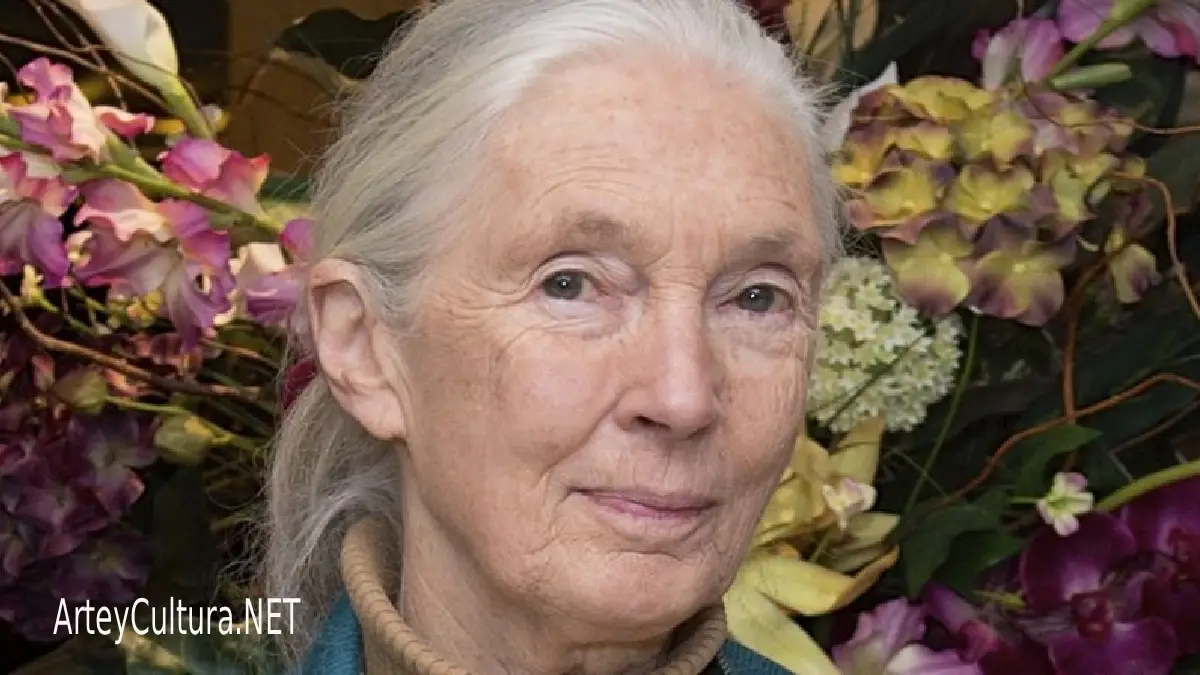
Dame Jane Morris Goodall was born in London on 3 April 1934 and died of natural causes on 1 October 2025 in Los Angeles while on a speaking tour in the United States. Ethologist, conservationist and educator, she transformed knowledge of wild chimpanzees through long observation at Gombe and later built a global movement connecting animal welfare, communities and ecosystems.
The dream of Africa
Goodall loved animals and stories about Africa from childhood. Without funds for university, she worked and saved for travel to Kenya. There she met palaeoanthropologist Louis Leakey, who valued her patient observation and eventually selected her to study chimpanzees in what is now Tanzania.
Gombe and observation
She arrived at Gombe in 1960 with limited formal scientific training. Instead of assigning numbers alone, she named chimpanzees and recorded individual personalities and relationships. Critics initially considered this unscientific; long-term behavioural science later demonstrated the value of recognising individuals.
Tools and behaviour
Goodall observed David Greybeard using and modifying grass stems to extract termites. At the time, toolmaking was widely presented as uniquely human. The finding forced scientists to reconsider definitions of humanity.
Her research also documented hunting, meat eating, affection, alliance, territorial aggression and prolonged conflict. Chimpanzee societies were neither simple models of harmony nor crude versions of human life.
Science and formal education
Leakey helped Goodall enter a doctoral programme at Cambridge despite her lack of an undergraduate degree. Academic training strengthened analysis, while field experience challenged assumptions embedded in established methods.
From researcher to activist
Awareness of habitat loss, trafficking and captive-animal conditions shifted her work towards advocacy. The Jane Goodall Institute supports research and community-centred conservation. Roots & Shoots encourages young people to design projects for people, animals and the environment.
Conservation cannot succeed by excluding local communities. Goodall’s later approach links ecological protection with education and sustainable livelihoods.
Video: what separates humans from chimpanzees?
In this English TED talk, Goodall uses voice and gesture to explain chimpanzee communication and the fragile distinctions people draw between species.
Video: the study that changed primatology
This English documentary record introduces the observations and field conditions behind her scientific impact. It shows why patience across years can reveal behaviours missed by short studies.
Achievements and legacy
Goodall documented chimpanzee tool use, established one of the longest field studies of any wild animal, changed scientific attitudes towards animal personality and created international conservation and youth programmes.
After her death, the Gombe study, the Jane Goodall Institute and Roots & Shoots continue her work. Her legacy joins evidence with responsibility: learning that humans are part of the animal world should deepen care, not merely satisfy curiosity.