

Elvis Presley: Voice, Movement and the Making of an Icon
The life, recordings, films and legacy of Elvis Presley, the performer whose voice and movement transformed rock and roll and popular culture.
- Elvis Presley
- rock and roll
- American singer
- Sun Records
- Memphis
- popular music
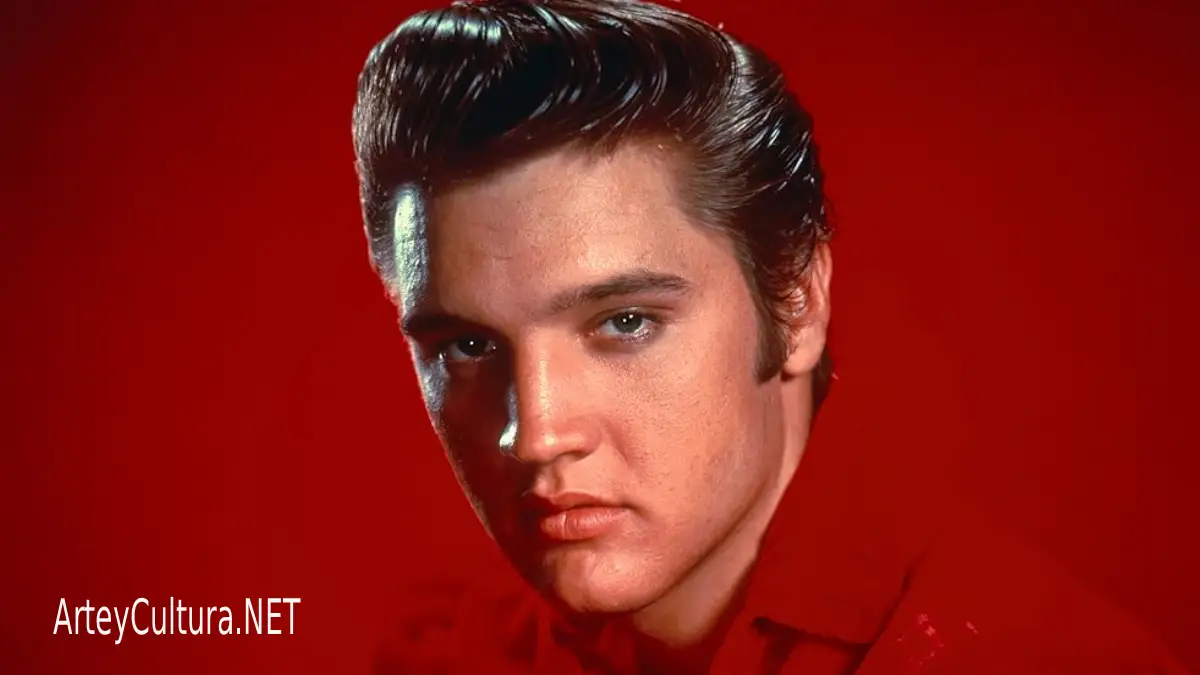
Elvis Aaron Presley was born in Tupelo, Mississippi, on 8 January 1935 and died in Memphis, Tennessee, on 16 August 1977. His combination of gospel, country, rhythm and blues, an expressive baritone and electrifying movement changed popular performance and made him a defining twentieth-century celebrity.
From Tupelo to Memphis
Elvis grew up in a working-class family and encountered music through church, radio and the Black and white traditions surrounding him. After moving to Memphis, he recorded at Sun Studio with producer Sam Phillips. “That’s All Right” revealed how his voice could cross categories the record industry kept racially separated.
His success benefited from music created by Black artists who often received less recognition and money. A serious legacy must celebrate his interpretive power without erasing those sources or the unequal industry around them.
Movement, television and controversy
Television made his physical style visible nationally. Hips, shoulders and rhythmic freedom provoked moral panic, while young audiences recognised a new relationship between singer, body and camera. Manager Colonel Tom Parker turned controversy into publicity and controlled much of the career.
Songs and cinema
Recordings including “Heartbreak Hotel,” “Hound Dog,” “Jailhouse Rock,” “Are You Lonesome Tonight?” and “Can’t Help Falling in Love” demonstrate range. A long Hollywood period produced popular films but frequently placed him in formulaic roles with undemanding soundtracks.
The 1968 comeback
The television special now known as the ‘68 Comeback Special returned Elvis to direct performance. In black leather, close to musicians and an audience, he recovered humour, danger and vocal command that cinema routines had obscured.
Las Vegas and final years
Las Vegas residencies introduced large arrangements, dramatic costumes and demanding schedules. Powerful performances coexisted with isolation, prescription-drug dependence and worsening health. He died at Graceland at 42.
Video: rebirth of the performer
This English BBC documentary focuses on the 1968 special and explains how a carefully produced programme restored Elvis as a live artist rather than a nostalgic screen figure.
Video: a complete English biography
This English overview traces the full chronology from childhood to final years. It provides context for understanding how talent, management, race, mass media and personal vulnerability intersected.
Achievements and legacy
Elvis helped bring rock and roll into global mass culture, transformed televised performance and recorded interpretations that remain central to popular music. His legacy is powerful and contested: it includes artistic synthesis and racial inequality, freedom of movement and industrial control, intimate singing and unprecedented celebrity.