Peter Paul Rubens: Movement, Colour and Power in the Baroque
The life, workshop, diplomacy and masterpieces of Peter Paul Rubens, whose energetic compositions defined Flemish Baroque painting.
- Peter Paul Rubens
- Flemish Baroque
- Baroque painting
- The Three Graces
- Antwerp
- diplomacy
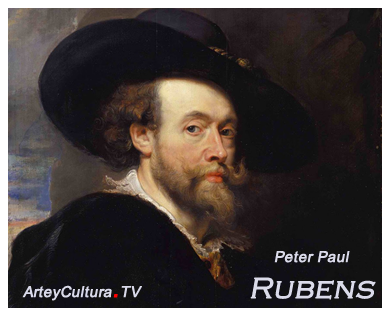
Peter Paul Rubens was born in Siegen on 28 June 1577 and died in Antwerp on 30 May 1640. Painter, scholar, workshop director and diplomat, he created an art of movement, colour and physical abundance suited to courts, churches and international politics.
Formation and Italy
Raised in Antwerp, Rubens trained with several Flemish masters before travelling to Italy in 1600. He studied ancient sculpture, Venetian colour and the dramatic innovations of Caravaggio and the Carracci. Service to the Duke of Mantua gave access to collections and diplomatic travel.
Return to Antwerp
In 1608 Rubens returned and became court painter to Archduke Albert and Isabella. A large house and studio in Antwerp served as home, collection, workshop and intellectual meeting place. Local roots supported a career connected to Europe’s courts.
Movement and colour
Diagonal bodies, twisting groups and rapidly changing light make his compositions feel active beyond the frame. Flesh is built from warm and cool colour rather than a single tone. Drapery, landscape and anatomy participate in one rhythm.
The term “Rubenesque” has often reduced his women to body type. Their significance lies not in size alone, but in weight, movement, touch and resistance to the immaterial ideal.
The great workshop
Demand required an organised studio. Rubens developed compositions through drawings and oil sketches; assistants and specialists contributed larger passages; the master reviewed and completed work according to the commission. Collaboration was normal practice, though attribution requires careful study.
Painter and diplomat
Rubens carried confidential negotiations between European courts and helped facilitate peace between England and Spain. Language, scholarship and social skill made him effective. Diplomatic journeys also generated major commissions and artistic exchange.
Subjects and works
Altarpieces such as The Elevation of the Cross, mythologies including The Three Graces, royal cycles for Marie de’ Medici, portraits and landscapes reveal exceptional range. Religious and political images use spectacle to persuade, while late landscapes offer more private attention to place.
Video: why Rubens is misunderstood
This English documentary challenges clichés surrounding Rubens and restores attention to movement, intelligence and historical context. It also asks how changing taste shaped his reputation.
Video: religion and Baroque painting
This English programme examines how religious conflict and patronage informed his art. Close analysis shows that theatrical form served specific devotional and political purposes.
Achievements and legacy
Rubens synthesised Italian and northern traditions, directed one of Europe’s most productive workshops, served as an influential diplomat and shaped generations of painters including Van Dyck, Watteau and Delacroix.
His legacy is a language of abundance: colour thinks, bodies communicate and movement turns history or belief into immediate physical experience.